












Article Summary:
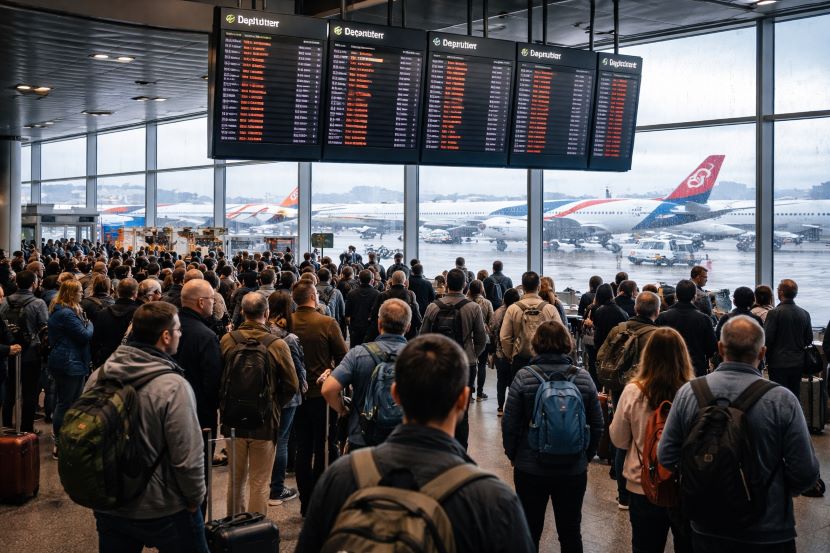
Travel disruptions across Europe have left thousands of passengers stranded, with 1,793 delayed flights and 81 cancellations impacting key airports in the Netherlands, France, Turkey, UK, and Germany. The disruptions primarily affect major airlines such as EasyJet, British Airways, KLM, and German Airways, causing significant inconvenience for travelers in Amsterdam, London, Paris, and other affected locations.
Key Points:
- Scale of Disruptions: The article reports 1,793 delayed flights and 81 cancellations across Europe, highlighting the severity of the travel disruptions.
- Affected Regions and Airlines: The disruptions are particularly severe in the Netherlands, France, Turkey, UK, and Germany, affecting major airlines including EasyJet, British Airways, KLM, and German Airways.
- Impact on Travelers: The disruptions have stranded thousands of passengers, causing significant inconvenience and potential financial losses for both travelers and airlines.
- Key Affected Airports: The disruptions are impacting key airports in the mentioned countries, including Amsterdam, London, Paris, and others, disrupting travel plans for numerous passengers.
Actionable Takeaways:
- Enhanced Communication Strategies: Airlines should improve communication with passengers regarding flight delays and cancellations to manage expectations and reduce frustration. This could involve real-time updates through mobile apps, email notifications, and social media platforms.
- Focus on Customer Service: Airlines should prioritize customer service during disruptions, offering alternative travel options, compensation, or refunds to affected passengers. This can help maintain customer loyalty and trust.
- Invest in Technology: The article highlights the impact of disruptions on travel tech. Airlines and travel companies should invest in advanced technologies such as AI-driven predictive analytics to better forecast and manage disruptions, improving overall operational efficiency.
Contextual Insights:
The article reflects the ongoing challenges faced by the travel industry due to unforeseen events such as weather conditions, air traffic control issues, or other operational disruptions. These disruptions underscore the importance of robust contingency planning and the need for airlines to leverage technology to mitigate the impact on passengers. The focus on customer service and communication during such disruptions is crucial for maintaining brand reputation and ensuring customer satisfaction. Additionally, the article highlights the growing importance of travel tech in managing and mitigating disruptions, suggesting a trend towards more technologically advanced solutions in the industry.
Read the Complete Article.


