












Article Summary:
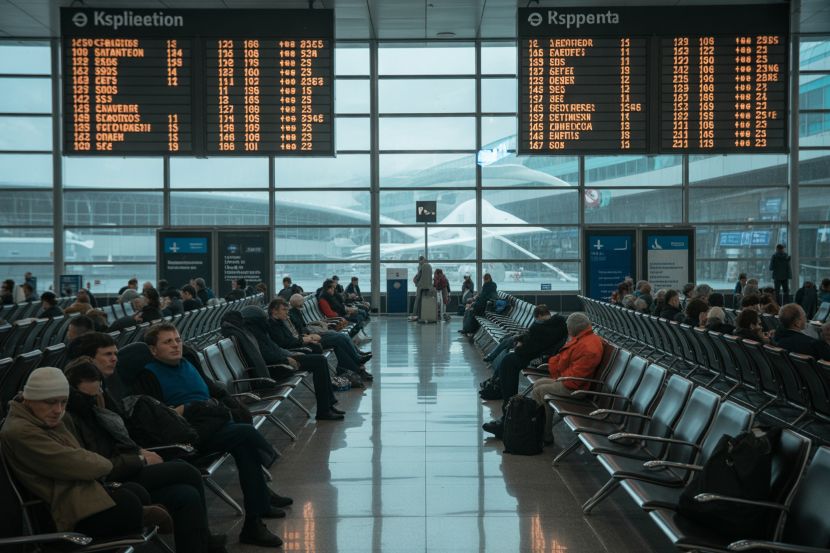
On December 14, 2025, Europe faced significant travel disruptions as EasyJet, Air France, and British Airways canceled over 30 flights and caused 201 delays due to severe weather. The disruption affected travelers across the UK, France, Portugal, and other regions, leaving many stranded. This article provides a detailed account of the events, their impact on the travel industry, and the broader context of travel disruptions.
Key Points:
- Flight Cancellations and Delays: Over 30 flights were canceled, and 201 delays occurred across EasyJet, Air France, and British Airways due to severe weather conditions.
- Geographical Impact: The disruptions affected multiple European countries, including the UK, France, and Portugal, causing significant inconvenience for travelers.
- Industry Context: The article highlights the challenges faced by major airlines in managing severe weather disruptions, emphasizing the need for robust contingency plans and real-time communication with passengers.
- Traveler Impact: Passengers were left stranded across several regions, highlighting the broader impact on the travel industry and the need for improved crisis management strategies.
Actionable Takeaways:
- Enhanced Weather Monitoring Systems: Airlines should invest in advanced weather monitoring and predictive analytics systems to better anticipate and mitigate the impact of severe weather on flight operations. This can help in making informed decisions and communicating effectively with passengers.
- Improved Passenger Communication Protocols: Implementing clear and timely communication protocols during disruptions can significantly reduce passenger anxiety and improve overall satisfaction. Airlines should leverage multiple channels (e.g., mobile apps, email, SMS) to keep passengers informed.
- Flexible Rebooking Policies: Offering flexible rebooking options and compensation for inconvenienced passengers can enhance customer loyalty and trust. Airlines should review and refine their policies to ensure they are competitive and appealing to travelers.
Contextual Insights:
The article underscores the ongoing challenges faced by the travel industry in managing disruptions caused by severe weather. Recent trends indicate an increased frequency of extreme weather events, which can have cascading effects on travel operations. Thought leaders in the travel sector emphasize the importance of technological innovation and strategic planning to enhance resilience against such disruptions. The integration of AI and machine learning in real-time decision-making processes can provide airlines with a competitive edge, enabling them to adapt swiftly to changing conditions. Furthermore, the emphasis on customer-centric communication strategies reflects a growing trend towards enhancing passenger experience during unforeseen disruptions. As the industry evolves, staying ahead of these challenges through innovation and proactive measures will be crucial for maintaining operational efficiency and customer satisfaction.
Read the Complete Article.


