












Comprehensive Summarization:
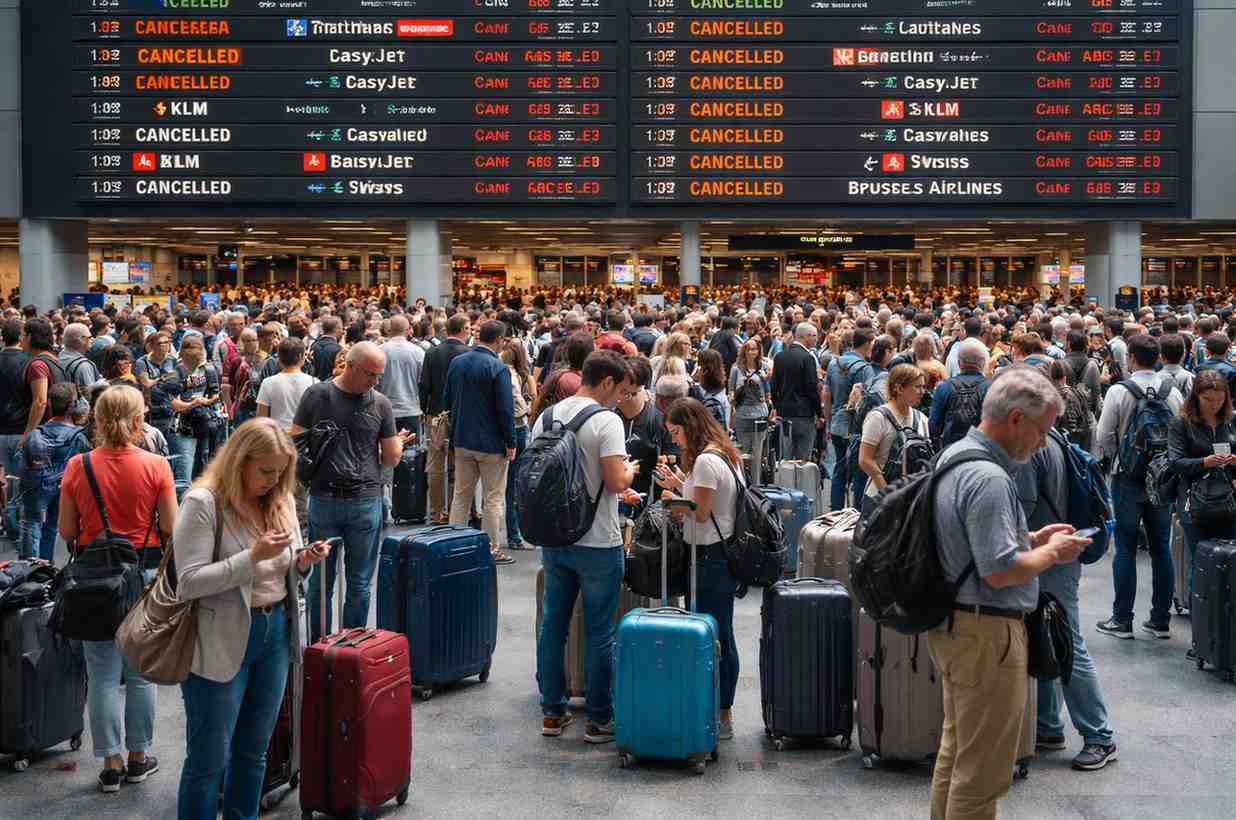
The article reports on a significant pilot strike in Germany that began on April 14, 2026, affecting major carriers including Lufthansa, British Airways, EasyJet, KLM, SWISS, and Brussels Airlines. This strike has led to the grounding of over five hundred flights, causing widespread travel chaos across Europe. The disruption has severely impacted the travel industry, highlighting the vulnerability of airlines to labor disputes and the broader implications for European air travel operations.
Key Points:
- A massive pilot strike in Germany began on April 14, 2026, affecting major carriers such as Lufthansa, British Airways, EasyJet, KLM, SWISS, and Brussels Airlines.
- The strike has resulted in the grounding of over five hundred flights, leading to significant travel disruptions across Europe.
- The disruption underscores the vulnerability of the airline industry to labor disputes and highlights the need for robust contingency plans to manage such events.
Actionable Takeaways:
-
Implement Flexible Cancellation Policies: Airlines should consider adopting more flexible cancellation policies to mitigate the impact of future strikes on customer satisfaction and loyalty. This can help retain passengers who might otherwise switch to alternative carriers during disruptions.
-
Enhance Communication Strategies: Airlines need to improve their communication strategies to keep passengers informed about flight status changes promptly. Real-time updates via mobile apps, emails, and social media can help manage passenger expectations and reduce anxiety during disruptions.
-
Invest in Labor Relations Management: The incident highlights the importance of effective labor relations management. Airlines should invest in training and conflict resolution strategies to prevent future strikes, ensuring smoother operations and maintaining high service standards.
Contextual Understanding:
The strike in Germany is a stark reminder of the challenges faced by the airline industry, particularly in regions with high labor mobility and strong union representation. The disruption not only affects passenger travel but also has ripple effects on ancillary services such as ground transportation and tourism. In the current context of rising fuel prices and operational pressures, airlines must adapt quickly to maintain resilience. The article also reflects broader trends in the travel industry, where technological advancements and digital communication play crucial roles in managing operational challenges.
Handling Different Article Types:
The article is a news blurb, providing factual information about a recent event in the airline industry. The summary, key points, and actionable takeaways are structured to reflect the concise nature of news blurbs, ensuring that the information is immediately actionable for a professional audience. The context provided situates the event within the broader landscape of labor relations and operational challenges in the travel sector, offering insights relevant to industry stakeholders.
Read the Complete Article.


