












Comprehensive Summarization:
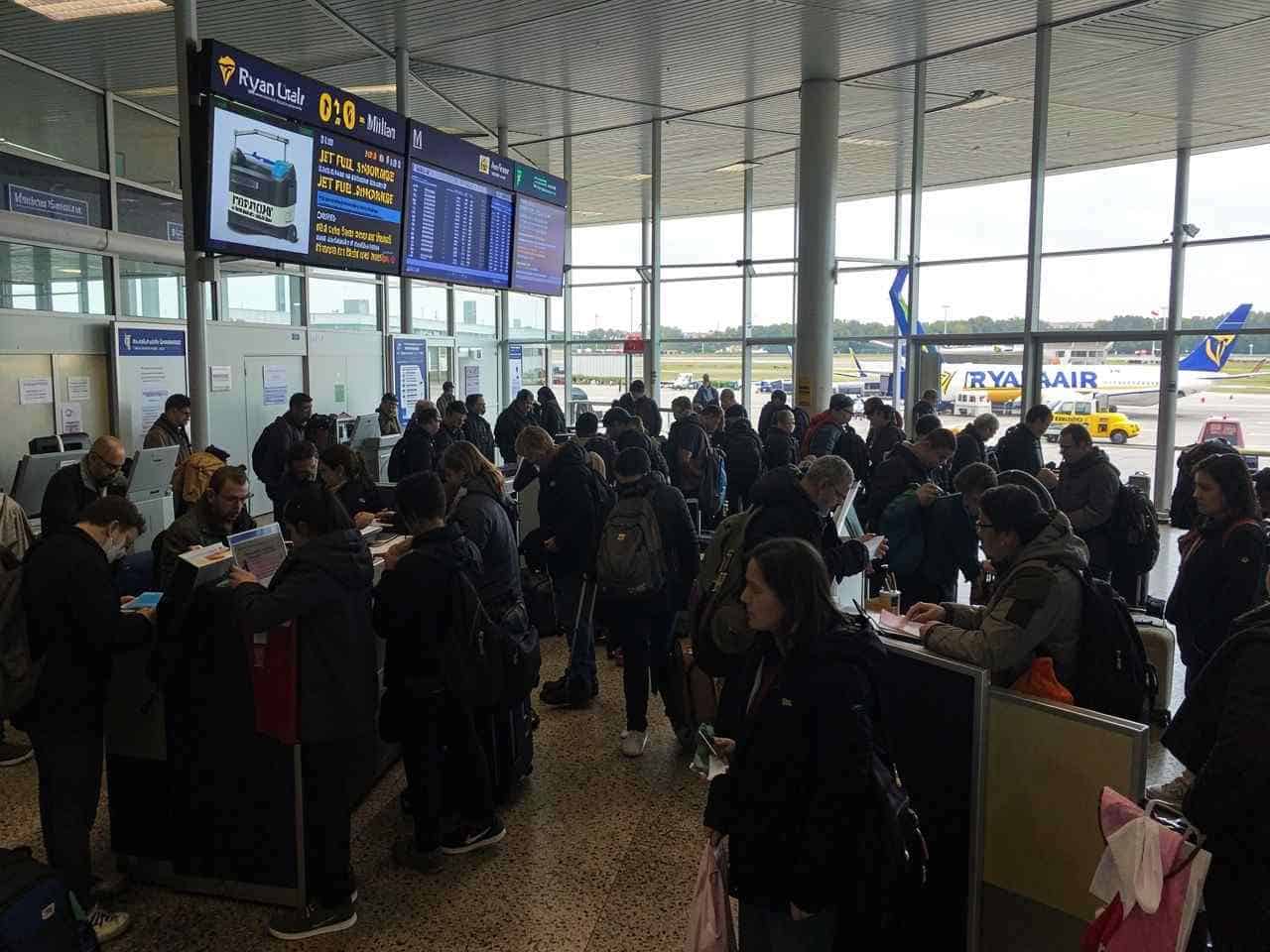
The article from Travel and Tour World, published on April 5, 2026, highlights the growing flight disruptions across Europe due to the escalating Middle East conflict. Major airlines such as Ryanair, Lufthansa, and British Airways have issued warnings about potential flight cancellations and delays. The root cause of these disruptions is attributed to jet fuel limits at key airports in Italy, including Bologna, Venice, and Milan. This situation underscores the vulnerability of European travel infrastructure to geopolitical tensions and the challenges faced by airlines in maintaining operational continuity during crises.
Key Points:
- Geopolitical Tensions Impacting Travel: The escalation of the Middle East conflict is directly impacting European travel, leading to significant disruptions in flight schedules.
- Major Airlines Issue Warnings: Ryanair, Lufthansa, and British Airways have warned of possible flight cancellations and delays, indicating a widespread impact on European air travel.
- Jet Fuel Limitations at Key Airports: The primary cause of these disruptions is the shortage of jet fuel at major Italian airports, such as Bologna, Venice, and Milan, which are critical hubs for European air travel.
- Operational Challenges for Airlines: The shortage of jet fuel presents operational challenges for airlines, forcing them to reassess flight schedules and potentially cancel flights to manage fuel inventory effectively.
Actionable Takeaways:
-
Diversify Fuel Supply Chains: Airlines should explore diversifying their fuel supply chains to mitigate risks associated with geopolitical tensions. Establishing alternative fuel sources or partnerships with multiple suppliers can help ensure a more stable fuel supply during crises.
-
Enhance Operational Resilience: Airlines should invest in operational resilience strategies, such as flexible scheduling and real-time monitoring of fuel inventory and airport capacities. This proactive approach can help minimize the impact of disruptions and maintain service continuity.
-
Collaborate with Airport Authorities: Airlines should collaborate closely with airport authorities to gain better insights into fuel availability and manage flight operations more effectively. This collaboration can facilitate quicker responses to fuel shortages and reduce the likelihood of widespread cancellations.
Contextual Insights:
The article reflects the current state of the travel industry, where geopolitical events can have immediate and significant impacts on air travel. The Middle East conflict serves as a stark reminder of the interconnectedness of global events and their ripple effects on specific sectors like aviation. The challenges highlighted—jet fuel limitations and operational disruptions—underscore the need for the travel industry to enhance its resilience against such disruptions. As the industry evolves, there is a growing emphasis on technological solutions and strategic partnerships to ensure continuity and reliability in travel services. This situation also highlights the importance of thought leadership in navigating such crises, with airlines and industry stakeholders needing to adapt quickly to maintain operational integrity and customer trust.
Read the Complete Article.


