












Article Summary:
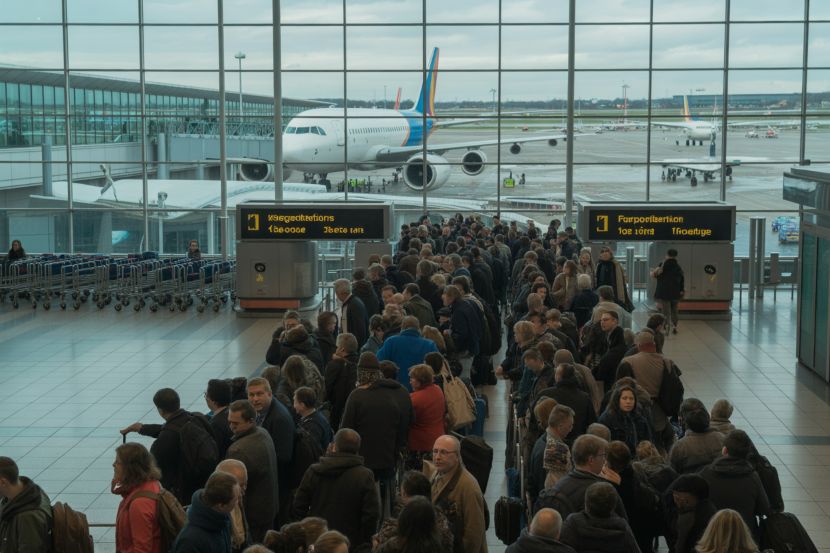
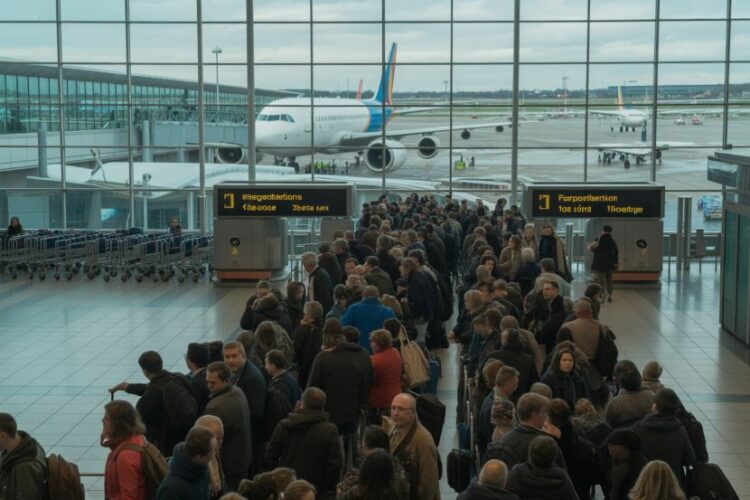
Severe weather disruptions have significantly impacted travel across Europe, with 42 flights grounded and 59 flights postponed. Major airlines such as KLM, Air France, and British Airways are struggling to manage hundreds of stranded passengers in major cities like Paris, London, and Amsterdam. The article provides an overview of the current situation, highlighting the challenges faced by the airline industry due to adverse weather conditions.
Key Points:
- Weather Disruptions: The article reports on severe weather conditions causing widespread flight disruptions across Europe.
- Affected Airlines: KLM Airways, Air France, and British Airways are among the airlines experiencing significant operational challenges.
- Impact on Passengers: The disruptions have led to 42 flights being grounded and 59 flights postponed, causing significant inconvenience for passengers in major European cities.
- City-Specific Challenges: Major cities such as Paris, London, and Amsterdam are particularly affected by the weather-related travel disruptions.
Actionable Takeaways:
- Enhanced Weather Monitoring Systems: Airlines should invest in advanced weather monitoring and predictive analytics systems to better anticipate and mitigate the impacts of severe weather on flight operations. This can help in proactively managing flight schedules and reducing passenger inconvenience.
- Improved Passenger Communication: Airlines need to enhance their communication strategies to keep passengers informed about delays and cancellations in real-time. Utilizing multiple channels such as mobile apps, email, and social media can ensure passengers receive timely updates, thereby improving customer satisfaction.
- Flexible Rebooking Policies: Implementing more flexible rebooking policies can help airlines manage stranded passengers more effectively. Offering options such as free rebooking, compensation, or upgrades can mitigate the negative impact of flight disruptions on travelers.
Contextual Insights:
The article reflects the ongoing challenges faced by the airline industry in managing disruptions caused by adverse weather conditions. Recent trends indicate an increased frequency of severe weather events, which are becoming more unpredictable and severe due to climate change. This necessitates a shift towards more resilient and adaptive operational strategies within the industry. Innovations in travel technology, such as real-time flight tracking and AI-driven predictive analytics, are becoming crucial for airlines to stay competitive and maintain high levels of customer service. Furthermore, the focus on passenger communication and flexible policies highlights the importance of customer-centric approaches in navigating through operational disruptions. These insights underscore the need for the travel industry to continuously evolve and adopt new technologies and practices to ensure resilience and maintain trust with travelers.
Read the Complete Article.


