












Comprehensive Summarization:
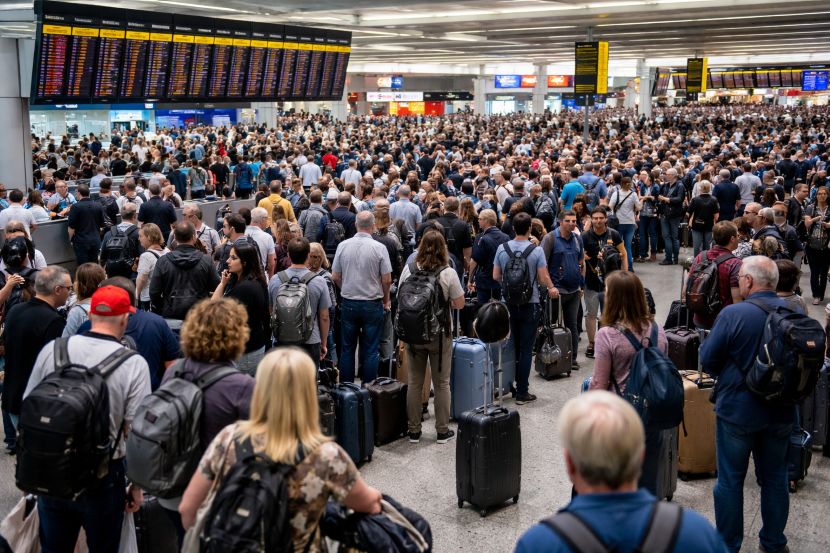
The article reports on significant travel disruptions affecting thousands of passengers across the UK, primarily due to delays and cancellations involving British Airways, EasyJet, and Ryanair. The disruptions have impacted major airports including London’s Heathrow, Manchester, and Birmingham, as well as other UK airports like Gatwick and City. The article highlights the extensive impact on the UK aviation network, with passengers experiencing considerable inconvenience. The disruptions are detailed as part of a broader context of travel delays and cancellations, affecting the overall travel experience in the UK.
Key Points:
- Thousands of travelers across the UK are stranded due to delays and cancellations by British Airways, EasyJet, and Ryanair.
- The disruptions have affected major airports including Heathrow, Gatwick, Manchester, and Birmingham.
- The article emphasizes the significant impact on the UK aviation network, causing widespread inconvenience for passengers.
Actionable Takeaways:
-
Enhanced Communication Strategies: Airlines should improve communication with passengers regarding delays and cancellations to manage expectations and reduce frustration. This could involve real-time updates through mobile apps or email notifications, ensuring transparency and trust.
-
Investment in Resilient IT Systems: The article underscores the need for robust IT systems to handle disruptions efficiently. Airlines should invest in advanced reservation and tracking systems to minimize delays and cancellations, thereby enhancing customer satisfaction and loyalty.
-
Focus on Customer Experience Recovery: Airlines should prioritize customer experience recovery by offering compensation, such as refunds, rebooking options, or additional amenities, to mitigate the impact of disruptions. This not only addresses immediate inconveniences but also builds long-term customer loyalty.
Contextual Insights:
The disruptions reported in the article reflect broader trends in the travel industry, where weather conditions, operational inefficiencies, and external factors often lead to significant travel disruptions. The current context highlights the importance of technological advancements in travel tech, such as AI-driven predictive analytics and real-time tracking systems, which can help airlines preemptively manage and mitigate disruptions. Furthermore, the article aligns with the growing emphasis on customer-centric approaches in the travel sector, where enhancing the passenger experience during and after disruptions is crucial for maintaining competitive advantage and brand reputation. The insights provided are directly sourced from the article and reflect the current state of the travel industry, emphasizing the need for innovation and customer-focused strategies to navigate challenges effectively.
Read the Complete Article.


