





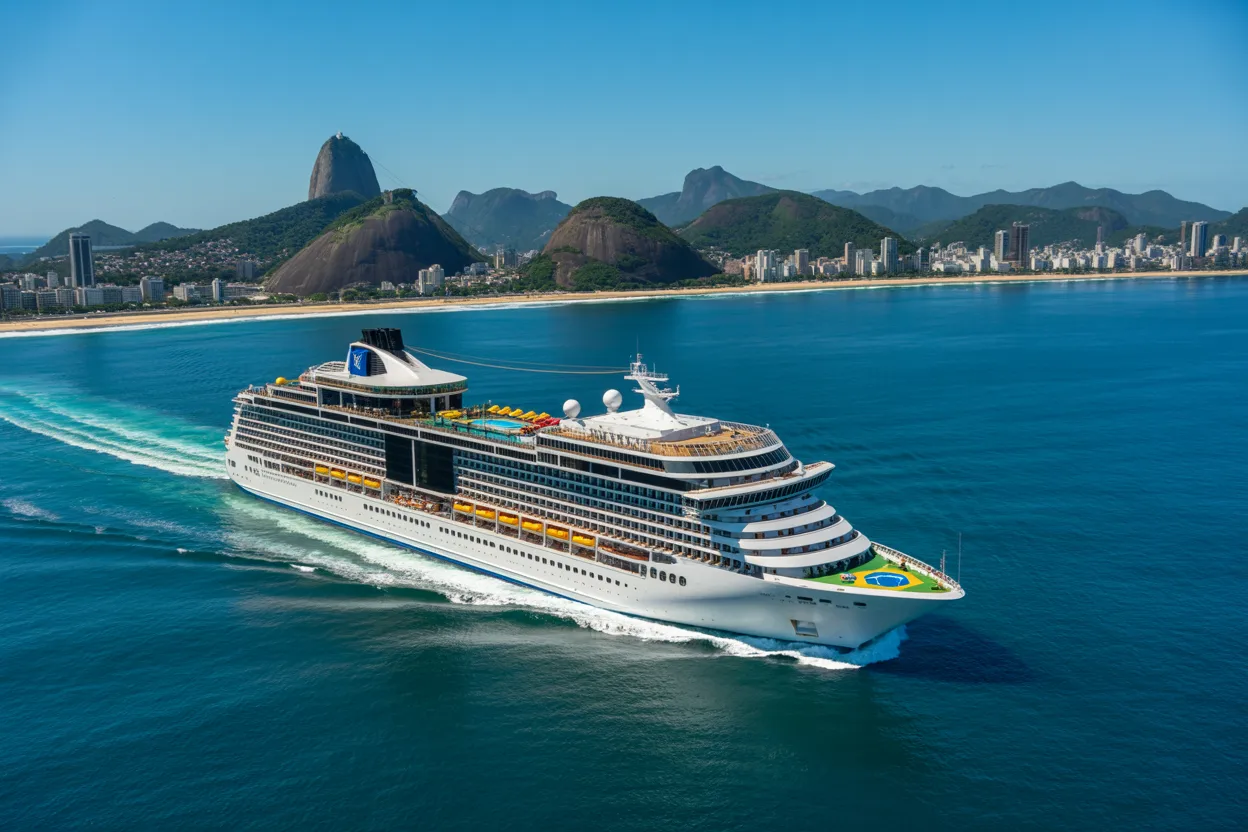



Sail Through Time: Discover the Timeless Wonders of Upper Egypt Aboard Kenzy Dahabeya
Experience the magic of the Nile aboard Kenzy Dahabeya, a luxury boutique sailing cruise that offers an unforgettable journey between...
Read moreDetails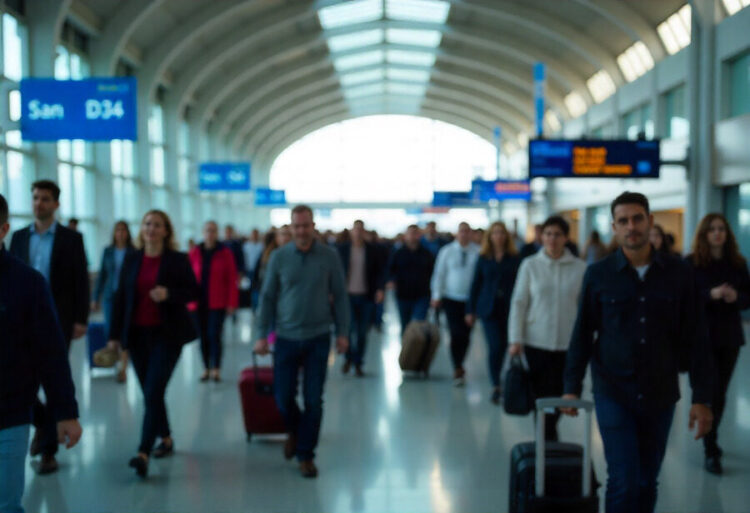
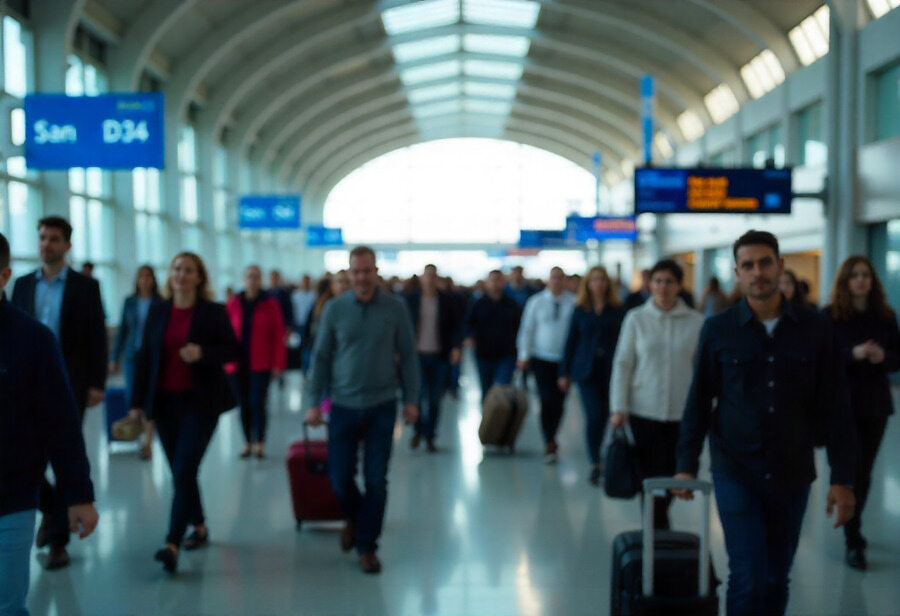
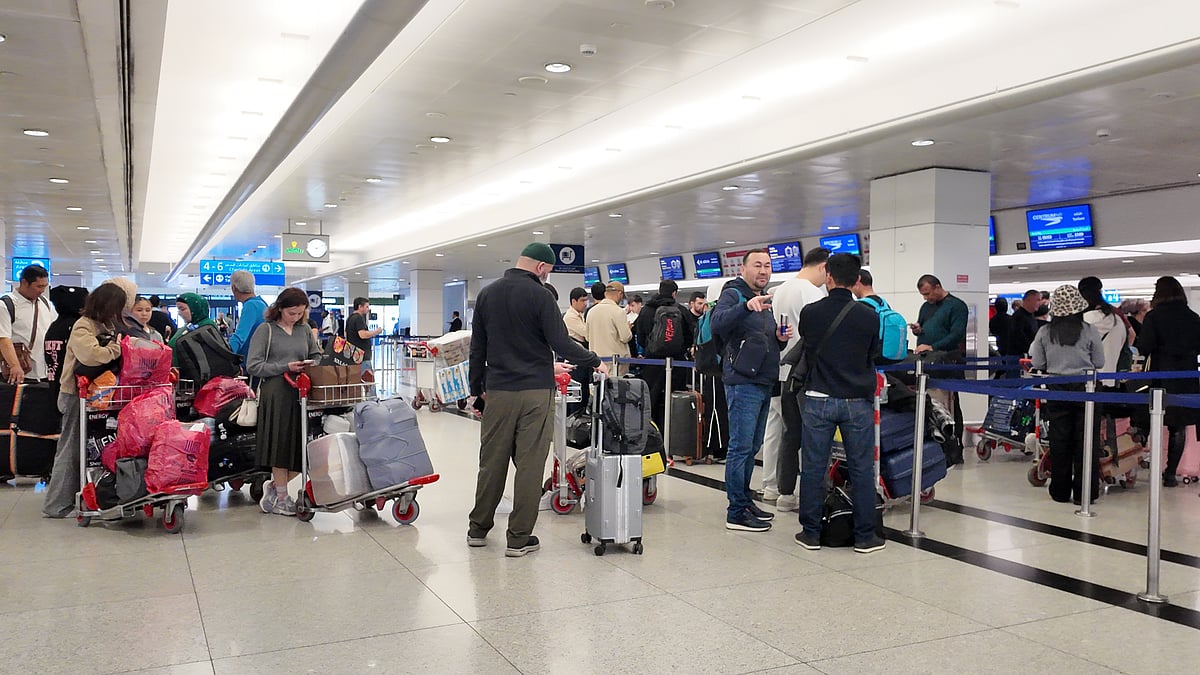
Over 110 Flights Grounded And 4,400 Delays Across US, Affecting Major Hubs Like Hawaii, Boston, Miam...
Article Summary:
Over 110 flights were grounded and 4,400 delays occurred across the US, affecting major hubs such as Hawaii, Boston, Miami, Denver, and others. The disruptions were caused by operational issues, weather challenges, and staffing shortages, impacting airlines including Jetstar and Delta. The article highlights the significant impact on travel and tourism, emphasizing the need for robust contingency planning and operational resilience in the travel industry.
Key Points:
Actionable Takeaways:
Contextual Insights:
The article reflects the ongoing challenges faced by the travel industry in maintaining operational efficiency, especially in the face of adverse weather conditions and staffing shortages. This situation highlights the importance of technological advancements in travel tech, such as real-time tracking systems and predictive analytics, which can help airlines and airports anticipate and respond to disruptions more effectively. Furthermore, the article underscores the need for innovative solutions in travel fintech, such as flexible booking options and enhanced customer support services, to enhance customer satisfaction during turbulent times. As the travel industry continues to evolve, staying ahead of emerging trends and leveraging technological innovations will be key to navigating future disruptions successfully.
Read the Complete Article.
Experience the magic of the Nile aboard Kenzy Dahabeya, a luxury boutique sailing cruise that offers an unforgettable journey between...
Read moreDetails



