











Sail Through Time: Discover the Timeless Wonders of Upper Egypt Aboard Kenzy Dahabeya
Experience the magic of the Nile aboard Kenzy Dahabeya, a luxury boutique sailing cruise that offers an unforgettable journey between...
Read moreDetails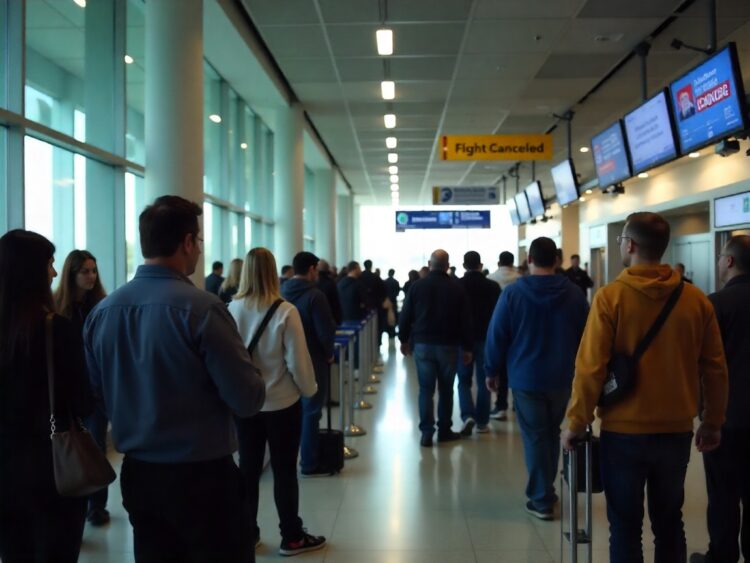
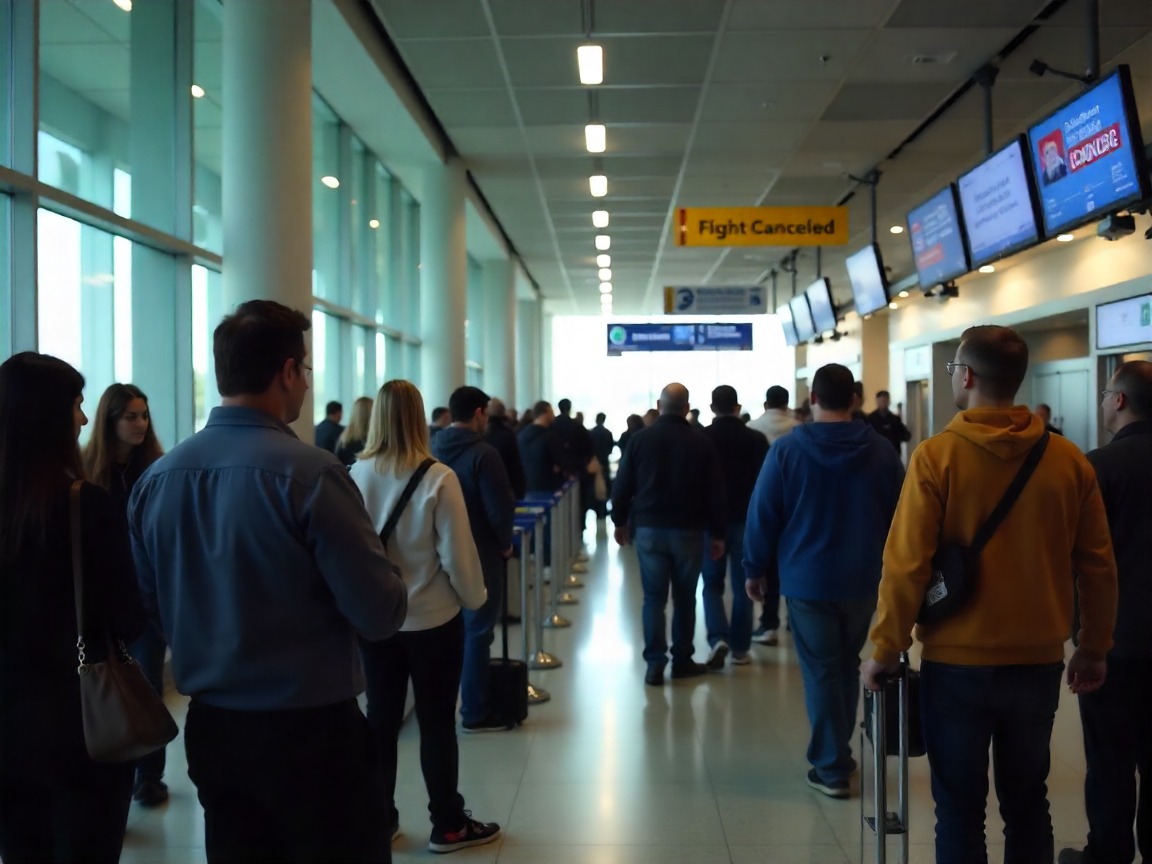
American Airlines and Delta Air Lines Slash Flights as FAA Orders Reductions at 40 Major U.S. Airpor...
Article Summary:
American Airlines and Delta Air Lines have been compelled to reduce their flight schedules due to the ongoing government shutdown, which has led to disruptions in air travel across the United States. The Federal Aviation Administration (FAA) has mandated reductions at 40 major airports, including key hubs such as Miami in South Florida. This development highlights the significant impact of government actions on the aviation industry, particularly at high-traffic airports.
Key Points:
Actionable Takeaways:
Contextual Insights:
The government shutdown’s impact on the aviation industry exemplifies the interconnectedness of government policies and commercial operations. This situation is reflective of broader trends where external factors, such as political decisions, can significantly influence the travel sector. For thought leaders and industry stakeholders, this serves as a reminder of the importance of contingency planning and the need for agile responses to regulatory changes. Additionally, the focus on high-traffic hubs suggests a strategic shift where airlines may need to enhance their service offerings and operational efficiencies in these key locations to sustain demand and profitability.
Read the Complete Article.
Experience the magic of the Nile aboard Kenzy Dahabeya, a luxury boutique sailing cruise that offers an unforgettable journey between...
Read moreDetails



