









Sail Through Time: Discover the Timeless Wonders of Upper Egypt Aboard Kenzy Dahabeya
Experience the magic of the Nile aboard Kenzy Dahabeya, a luxury boutique sailing cruise that offers an unforgettable journey between...
Read moreDetails
Comprehensive Summarization:
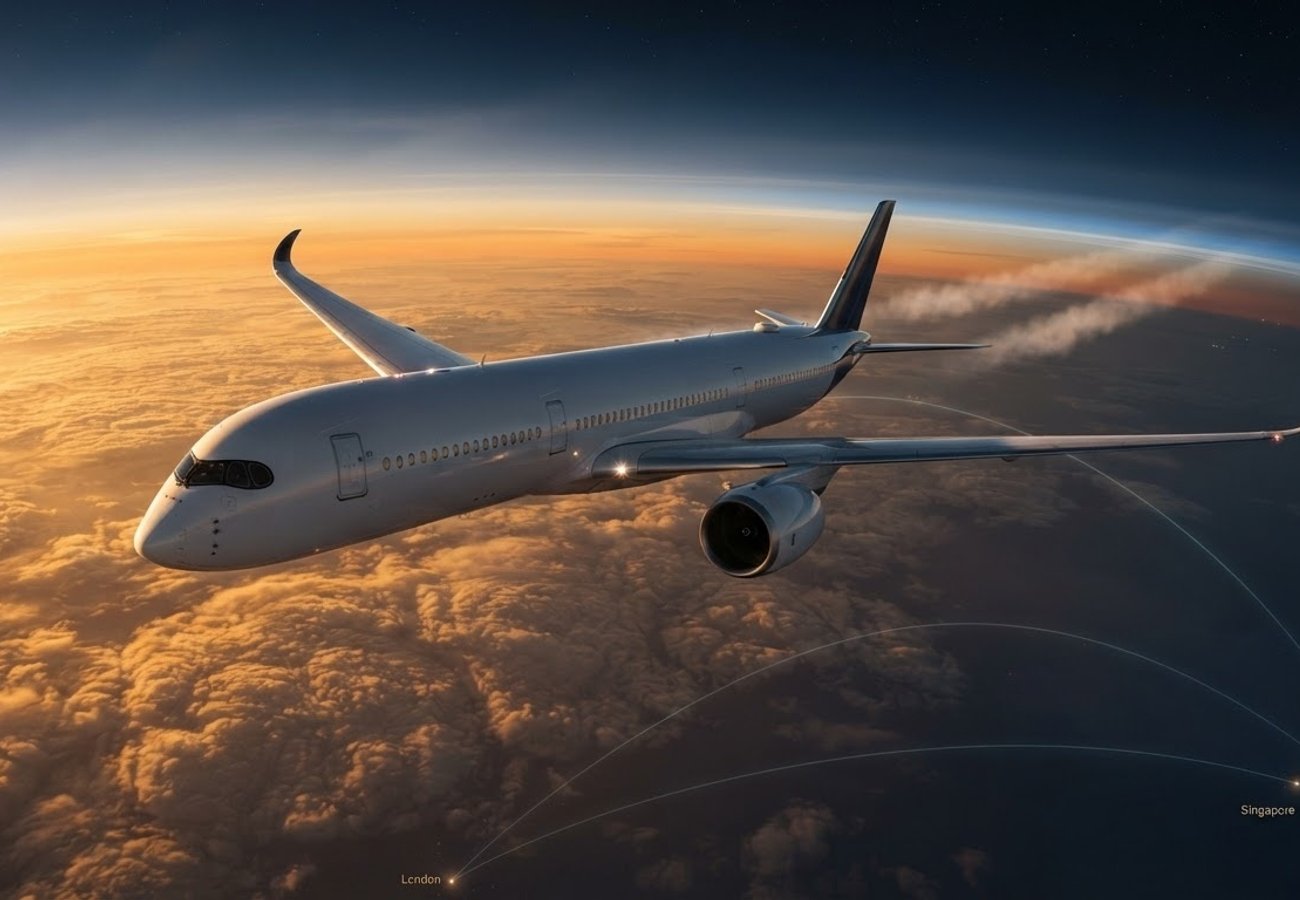
The article reports on the significant disruptions caused by a powerful winter storm affecting flight schedules across the Northeast in the United States. Major airlines such as American Airlines, Delta Air Lines, United Airlines, and JetBlue are experiencing chaos as they attempt to adjust their schedules to accommodate the storm’s impact. This disruption is particularly severe for travelers from Canada, the UK, India, and Germany, who are facing significant travel challenges. Additionally, hospitality giants Marriott, Hilton, and Hyatt are preparing for a storm surge in Connecticut and the Northeast, indicating broader travel and tourism sector impacts. The article also includes an image generated by AI, illustrating the storm’s impact on American Airlines. The overall context highlights the vulnerability of the travel industry to severe weather events and the need for robust contingency planning.
Key Points:
Actionable Takeaways:
Implement Flexible Scheduling: Airlines should adopt flexible scheduling policies to quickly adapt to changing weather conditions and minimize disruptions for travelers. This approach can enhance customer satisfaction and loyalty during unforeseen events.
Enhance Communication Protocols: Improve communication with travelers regarding flight status changes and alternative arrangements. Clear and timely communication can reduce anxiety and improve the overall travel experience during disruptions.
Invest in Weather-Resilient Infrastructure: Travel companies should invest in resilient infrastructure and contingency planning to better withstand severe weather events. This includes both physical infrastructure (e.g., airports, hotels) and digital systems (e.g., booking platforms, customer service tools) to ensure continuity of operations.
Contextual Insights:
The article underscores the vulnerability of the travel industry to severe weather events, particularly winter storms, which can cause widespread disruptions across multiple sectors, including airlines and hospitality. This situation highlights the importance of robust contingency planning and flexible operational strategies. The use of AI-generated imagery to illustrate the storm’s impact on airlines reflects the increasing integration of technology in travel operations. Looking forward, the article suggests that the travel industry must continue to innovate and adapt, leveraging technology and strategic planning to mitigate the impacts of unpredictable weather events. This forward-looking perspective aligns with current industry trends, emphasizing the need for resilience and adaptability in the face of evolving challenges.
Read the Complete Article.
Experience the magic of the Nile aboard Kenzy Dahabeya, a luxury boutique sailing cruise that offers an unforgettable journey between...
Read moreDetails



