












Sail Through Time: Discover the Timeless Wonders of Upper Egypt Aboard Kenzy Dahabeya
Experience the magic of the Nile aboard Kenzy Dahabeya, a luxury boutique sailing cruise that offers an unforgettable journey between...
Read moreDetails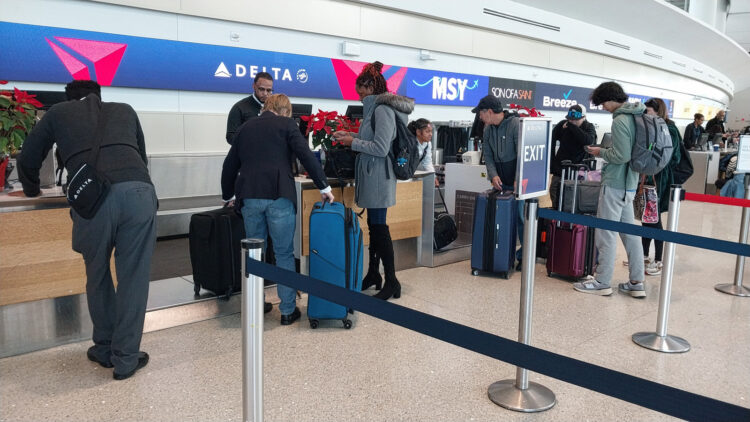
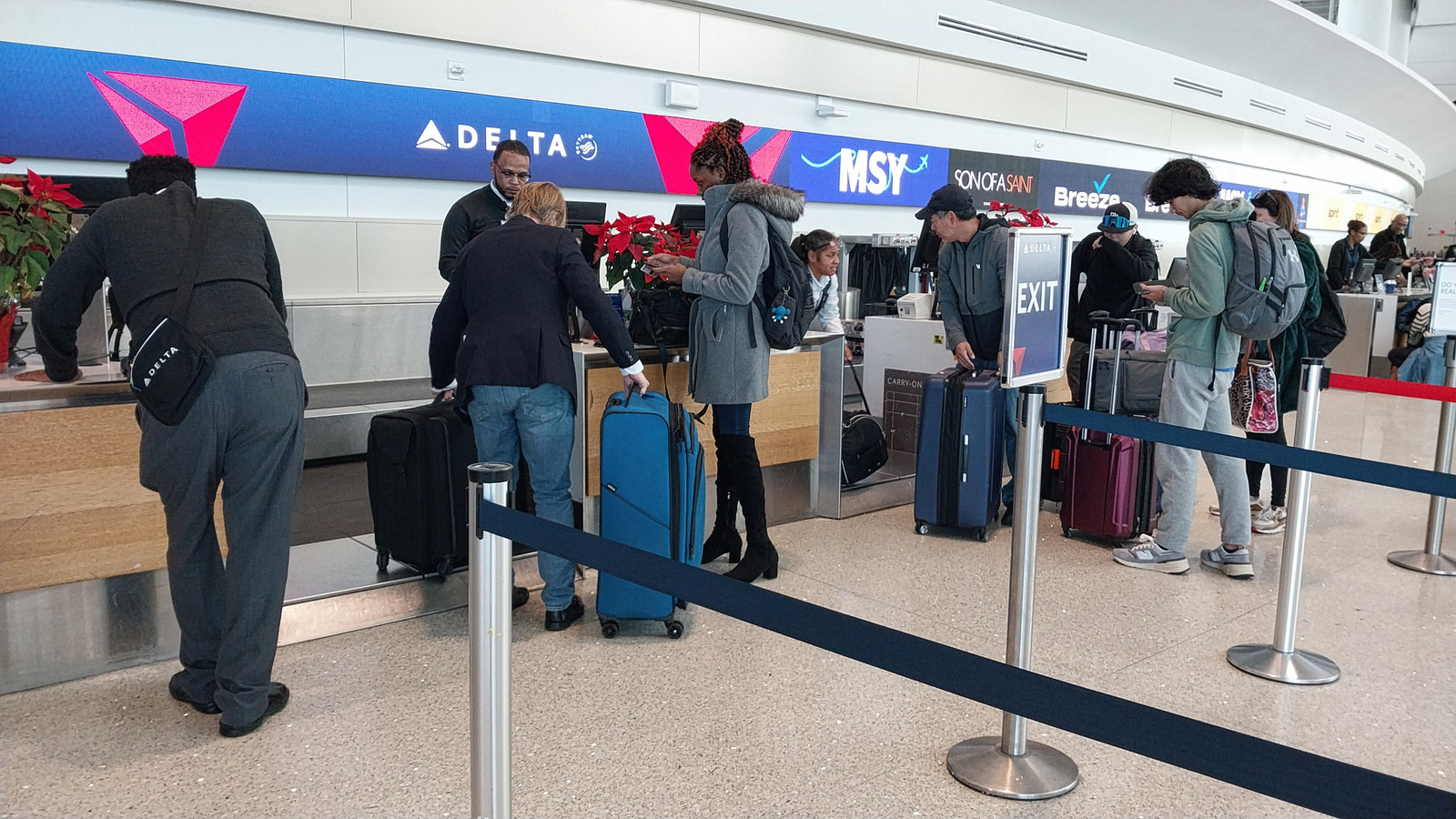
Delta Air Lines passengers check in at the ticket counter at Louis Armstrong International Airport
Comprehensive Summarization:
The article reports on a week of significant flight disruptions across North America, primarily due to a winter storm. Air Canada initiated a surge in cancellations early in the week at its major hubs in Toronto and Montreal, prompting the airline to revise its ticketing policy in response to the snowstorm conditions. This situation is not isolated to Air Canada; major U.S. airlines, including United Airlines, are also grappling with extensive flight cancellations at their busiest hubs, such as Chicago’s O’Hare International Airport. The disruptions began on Friday, leading to widespread cancellations and prompting travel warnings. The article underscores the challenges faced by the travel industry in managing such weather-related disruptions and the subsequent policy adjustments by airlines to mitigate the impact on passengers.
Key Points:
Actionable Takeaways:
Implement Flexible Cancellation Policies: Airlines should consider adopting more flexible cancellation policies to better manage disruptions caused by severe weather. This approach can help mitigate financial losses and improve customer satisfaction during unforeseen events.
Enhance Real-Time Communication: Airlines must improve their real-time communication strategies to keep passengers informed about flight status changes. Effective communication can reduce passenger anxiety and improve the overall travel experience during disruptions.
Invest in Weather-Resilient Infrastructure: The article highlights the impact of weather on airline operations. Investing in weather-resilient infrastructure and technology can help airlines better predict and manage disruptions, ensuring smoother operations during adverse weather conditions.
Contextual Insights:
The article reflects the ongoing challenges faced by the travel industry in managing weather-related disruptions, a recurring theme in recent months. The focus on Air Canada and United Airlines serves as a case study for how major airlines are adapting to such disruptions. The emphasis on revising ticketing policies and enhancing communication strategies underscores a broader industry trend towards greater flexibility and transparency in travel services. Looking forward, the article suggests that the integration of advanced technologies and innovative solutions, such as real-time tracking systems and flexible policies, will be crucial for airlines to navigate future weather-related challenges effectively. This forward-looking perspective aligns with current industry trends emphasizing the importance of adaptability and customer-centric approaches in maintaining operational resilience and customer satisfaction.
Read the Complete Article.
Experience the magic of the Nile aboard Kenzy Dahabeya, a luxury boutique sailing cruise that offers an unforgettable journey between...
Read moreDetails



