













Sail Through Time: Discover the Timeless Wonders of Upper Egypt Aboard Kenzy Dahabeya
Experience the magic of the Nile aboard Kenzy Dahabeya, a luxury boutique sailing cruise that offers an unforgettable journey between...
Read moreDetails
Delta Air Lines Doubles Down on Long-Haul Flights: 61 New Jets Set to Transform Global Travel—Here’s...
Comprehensive Summarization:
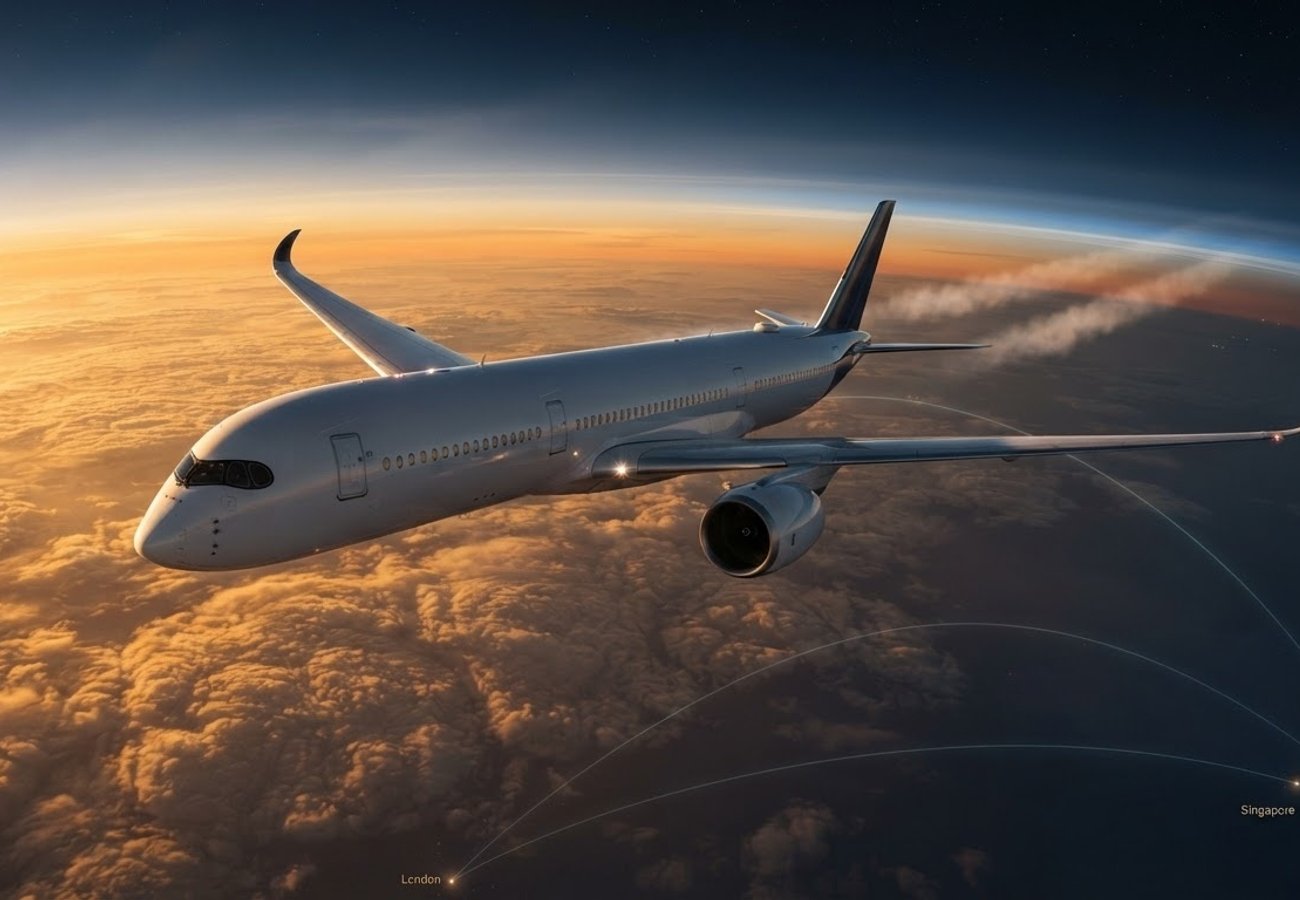
Delta Air Lines is significantly expanding its long-haul fleet by adding 61 new jets, including 30 Boeing 787-10 Dreamliners and 31 Airbus A330 and A350 aircraft. This strategic move is set to transform global travel, particularly benefiting Spain, France, and the United States, by boosting tourism in these regions. The article, published on January 28, 2026, highlights how this expansion is poised to create a tourism boom, reflecting a broader trend of increased air travel capacity and its impact on global tourism markets.
Key Points:
Actionable Takeaways:
Increased Tourism Opportunities: The expansion of Delta’s long-haul fleet presents a significant opportunity for Spain, France, and the United States to capitalize on heightened tourism demand. Travel agencies and tourism boards in these regions should explore enhanced marketing strategies and partnerships to attract more international visitors, leveraging the increased flight options to drive bookings and revenue.
Investment in Air Travel Infrastructure: The deployment of 61 new jets signals a substantial investment in air travel infrastructure. Companies in the travel tech sector, particularly those specializing in airline management software and fleet optimization tools, may see increased demand. Stakeholders in fintech could also benefit by developing financial solutions tailored for airlines undergoing such extensive fleet expansions, such as financing options for aircraft purchases or operational cost management tools.
Market Adaptation and Competitive Advantage: Airlines and travel service providers should consider how they can adapt their offerings to meet the growing demand for long-haul travel. This could involve enhancing in-flight services, expanding route networks, or offering competitive pricing to capture market share. Understanding and responding to these trends can provide a competitive edge in an increasingly crowded travel market.
Contextual Insights:
The article reflects the ongoing trend of airlines investing in expanding their long-haul capabilities to meet growing global travel demand. This move aligns with broader industry trends towards increased connectivity and accessibility, driven by technological advancements in aviation and a surge in global tourism post-pandemic. Experts predict that such expansions will continue to reshape the travel landscape, offering both challenges and opportunities for stakeholders across the travel ecosystem. The focus on long-haul routes also highlights the importance of strategic partnerships and collaborations between airlines, tourism boards, and local governments to maximize the benefits of increased air travel capacity.
Handling Different Article Types:
The provided article is a news blurb, offering factual information about Delta Air Lines’ fleet expansion. For opinion pieces or feature articles, the approach would involve analyzing the author’s perspective, evaluating the implications of the discussed trends or innovations, and integrating expert opinions to provide a comprehensive analysis. Regardless of the article type, adherence to factual accuracy and relevance to the travel industry remains paramount.
Read the Complete Article.
Experience the magic of the Nile aboard Kenzy Dahabeya, a luxury boutique sailing cruise that offers an unforgettable journey between...
Read moreDetails



