









Sail Through Time: Discover the Timeless Wonders of Upper Egypt Aboard Kenzy Dahabeya
Experience the magic of the Nile aboard Kenzy Dahabeya, a luxury boutique sailing cruise that offers an unforgettable journey between...
Read moreDetails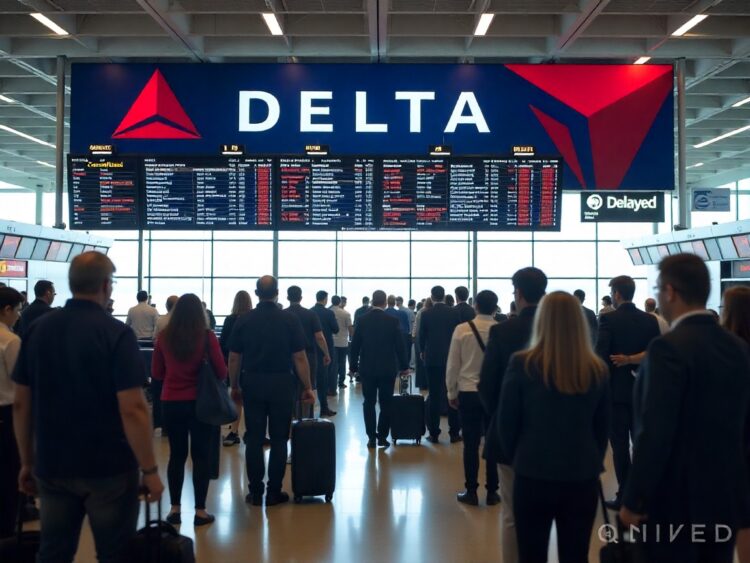
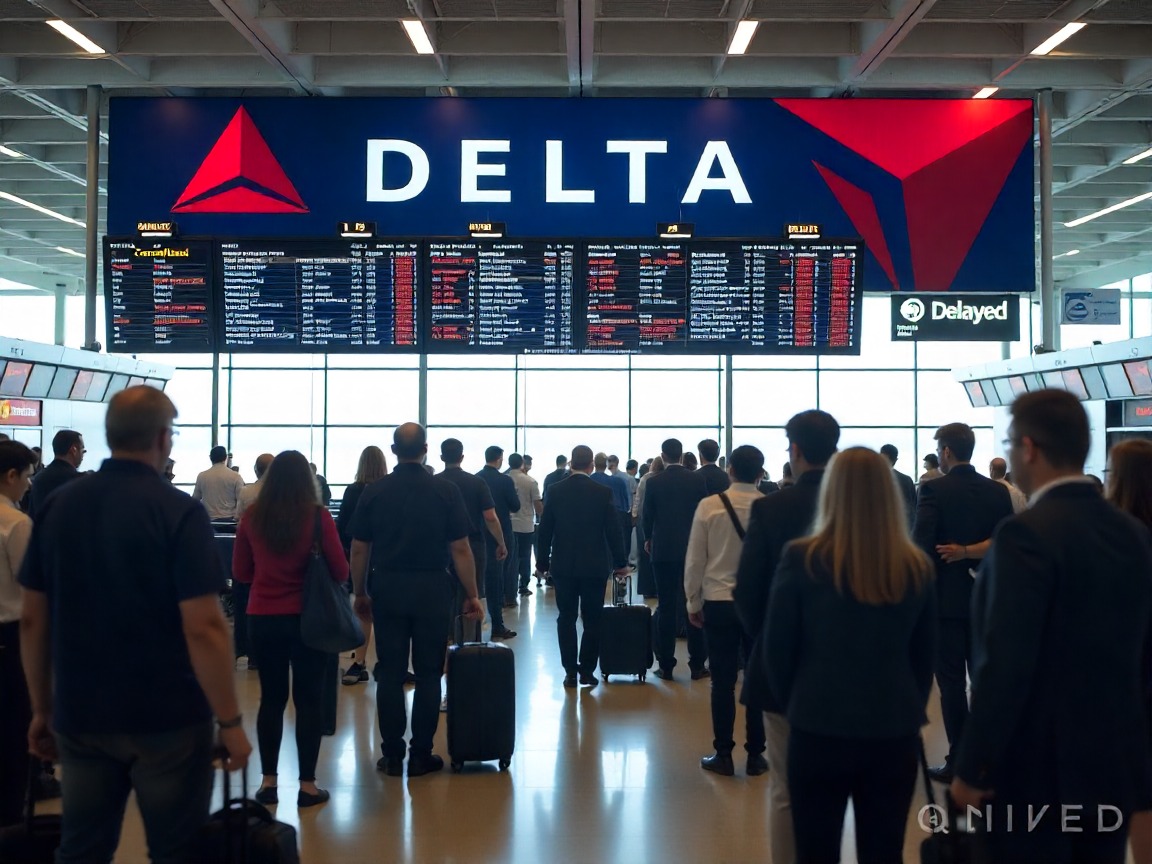
Delta Air Lines Cancels ~170 Flights in Response to Federal Aviation Administration Flight‑Reduction...
Article Summary:
Delta Air Lines has announced the cancellation of approximately 170 flights in response to a Federal Aviation Administration (FAA) directive aimed at reducing flight numbers at major U.S. airports, including Atlanta and Newark. This decision comes amid staffing shortages among air-traffic controllers who are working without pay. The move is part of the airline’s compliance with an emergency FAA order to trim flights at 40 of the busiest U.S. airports, starting from November 7. The article highlights the potential impact on the tourism and hospitality sectors, signaling a significant adjustment in the travel industry’s operational landscape.
Key Points:
Actionable Takeaways:
Operational Adjustments Required: Airlines must reassess their operational strategies to comply with FAA directives, particularly in staffing and scheduling. This may involve investing in technology to optimize flight operations and explore alternative staffing solutions to mitigate the impact of current shortages.
Sector-Wide Impact on Tourism and Hospitality: The cancellation of flights is likely to disrupt travel plans, affecting the tourism and hospitality sectors. Businesses in these sectors should prepare for potential declines in demand and consider implementing flexible booking policies or promotional offers to mitigate revenue losses.
Contextual Insights:
The cancellation of flights by Delta Air Lines in response to FAA directives reflects broader industry challenges, including staffing shortages and regulatory pressures. This scenario is emblematic of the evolving dynamics within the travel industry, where operational efficiency and regulatory compliance are paramount. Recent trends indicate a growing reliance on technology to navigate such challenges, with startups focusing on solutions like AI-driven scheduling and automated customer support. The article also hints at the potential for fintech innovations to address financial impacts, such as dynamic pricing models that can adapt to fluctuating demand due to flight cancellations. As the industry continues to adapt to these changes, stakeholders must remain agile and proactive in leveraging technological advancements and strategic partnerships to navigate uncertainties and capitalize on emerging opportunities.
Read the Complete Article.
Experience the magic of the Nile aboard Kenzy Dahabeya, a luxury boutique sailing cruise that offers an unforgettable journey between...
Read moreDetails



