












Sail Through Time: Discover the Timeless Wonders of Upper Egypt Aboard Kenzy Dahabeya
Experience the magic of the Nile aboard Kenzy Dahabeya, a luxury boutique sailing cruise that offers an unforgettable journey between...
Read moreDetails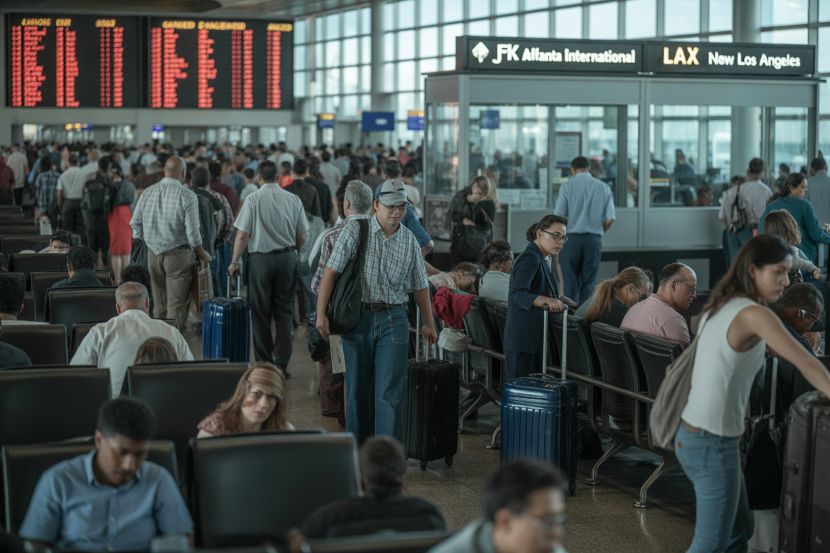
Thousands Of Travelers Stranded Across the US As Delta Air Lines Cancels 508 Flights And Delays 448,...
Comprehensive Summarization:
Delta Air Lines is currently facing significant operational challenges, with the airline announcing the cancellation of 508 flights and the delay of 448 others across the United States. This disruption has left thousands of travelers stranded at major airports, including Atlanta, New York, Chicago, and Los Angeles. The U.S. aviation industry is grappling with this major disruption, highlighting the vulnerabilities in the current operational systems and the need for improved resilience in air travel logistics.
Key Points:
Actionable Takeaways:
Enhance Operational Resilience: Airlines should invest in advanced predictive analytics and real-time monitoring systems to better anticipate and manage disruptions. This can help in minimizing cancellations and delays, thereby improving customer satisfaction and operational efficiency.
Strengthen Communication Protocols: Effective communication with passengers is crucial during disruptions. Airlines should implement robust communication strategies to keep travelers informed about flight status changes, alternative arrangements, and any necessary adjustments to their travel plans.
Invest in Technology and Infrastructure: The airline industry must continue to innovate and invest in technology and infrastructure to enhance operational efficiency. This includes upgrading airport systems, improving baggage handling processes, and ensuring robust IT infrastructure to support real-time data processing and decision-making.
Contextual Insights:
The recent disruption at Delta Air Lines underscores the vulnerabilities within the U.S. aviation industry, particularly in terms of operational resilience and passenger communication. This incident highlights the critical need for airlines to adopt advanced technologies and robust communication strategies to manage disruptions effectively. As the travel industry continues to evolve, integrating innovative solutions such as AI-driven predictive analytics and enhanced passenger communication platforms will be essential for maintaining operational efficiency and ensuring a positive travel experience. Furthermore, the incident serves as a reminder of the importance of continuous investment in infrastructure and technology to support the growing demands of the travel sector.
Read the Complete Article.
Experience the magic of the Nile aboard Kenzy Dahabeya, a luxury boutique sailing cruise that offers an unforgettable journey between...
Read moreDetails



