









Comprehensive Summarization:
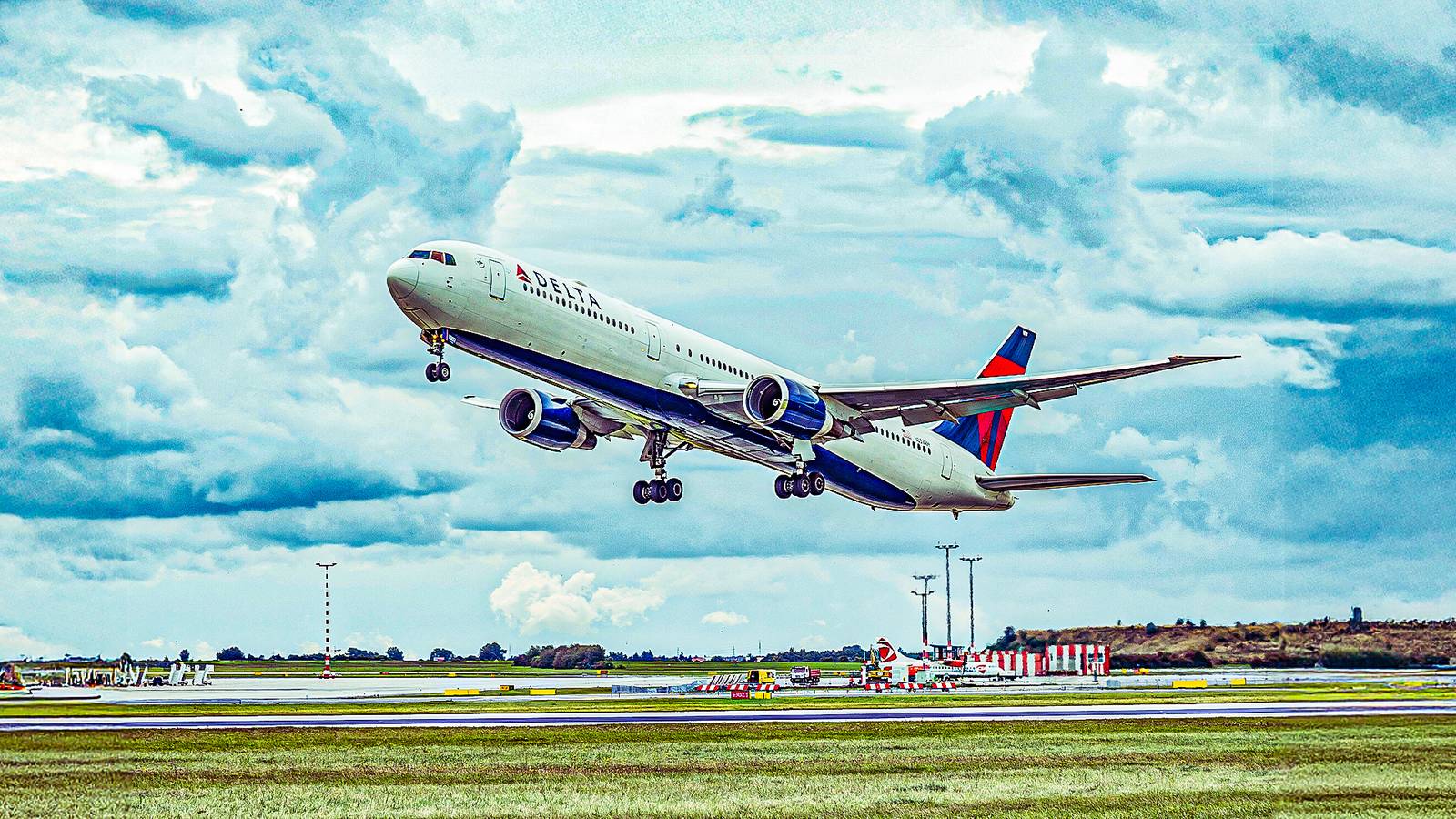
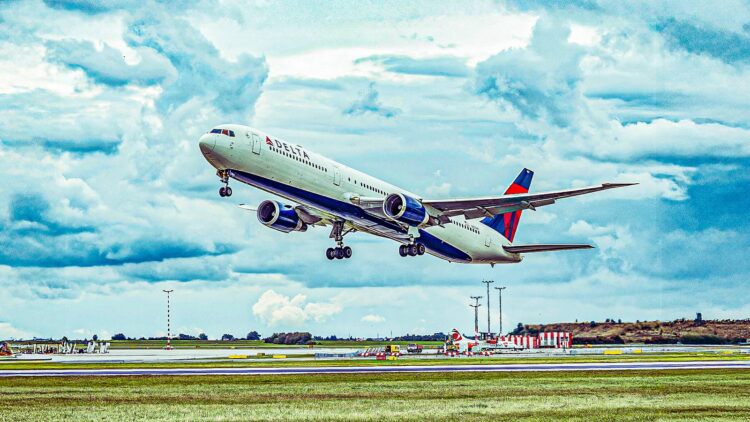
Delta Air Lines is planning to discontinue in-flight meals, snacks, and drinks on hundreds of its daily short flights, with flights under 349 miles (558 km) affected. This change is set to take effect from May 19, 2026. The affected routes include popular connections such as Los Angeles to San Francisco. The article also highlights the broader context of travel industry trends and insights from thought leaders, emphasizing the ongoing evolution of in-flight services and the impact of such changes on passenger experience and airline operations.
Key Points:
- Delta Air Lines will discontinue in-flight meals, snacks, and drinks on short flights (under 349 miles) starting May 19, 2026.
- The change will impact routes such as Los Angeles to San Francisco, among others.
- The article references the broader travel industry trends and insights from thought leaders, indicating the ongoing evolution of in-flight services.
Actionable Takeaways:
-
Impact on Passenger Experience: The discontinuation of in-flight services on short flights may lead to a shift in passenger expectations regarding in-flight amenities. Airlines may need to innovate in other areas to maintain competitive advantage, such as enhancing digital in-flight entertainment or improving seat comfort.
-
Operational Efficiency: By reducing the cost of in-flight services on short-haul flights, airlines like Delta can potentially lower operational costs and improve profitability. This could also encourage airlines to reassess their pricing strategies for short-haul routes, potentially leading to more competitive pricing models.
-
Innovation in Travel Tech: The shift could spur innovation in travel technology, particularly in areas such as onboard connectivity, personalized in-flight experiences, and digital services. Startups focusing on these areas may see increased demand as airlines seek to enhance passenger satisfaction despite reduced traditional in-flight offerings.
Contextual Insights:
The decision by Delta Air Lines to cut in-flight services on short flights reflects broader industry trends towards optimizing operational costs while maintaining profitability. This move aligns with the growing emphasis on digital and personalized travel experiences, as highlighted by thought leaders in the travel industry. As airlines continue to adapt to changing consumer preferences and operational pressures, the integration of advanced travel technologies and innovative service offerings will likely become a key differentiator. The article also underscores the importance of staying abreast of such developments, as they can significantly impact market dynamics, consumer behavior, and competitive positioning within the travel sector.
Read the Complete Article.






