







No products in the cart.
- Latest
- Trending


Sao Paulo, Naples, Miami and Dallas Among Over Twenty Delta Air Lines Cancelled Flights Causing Trav...
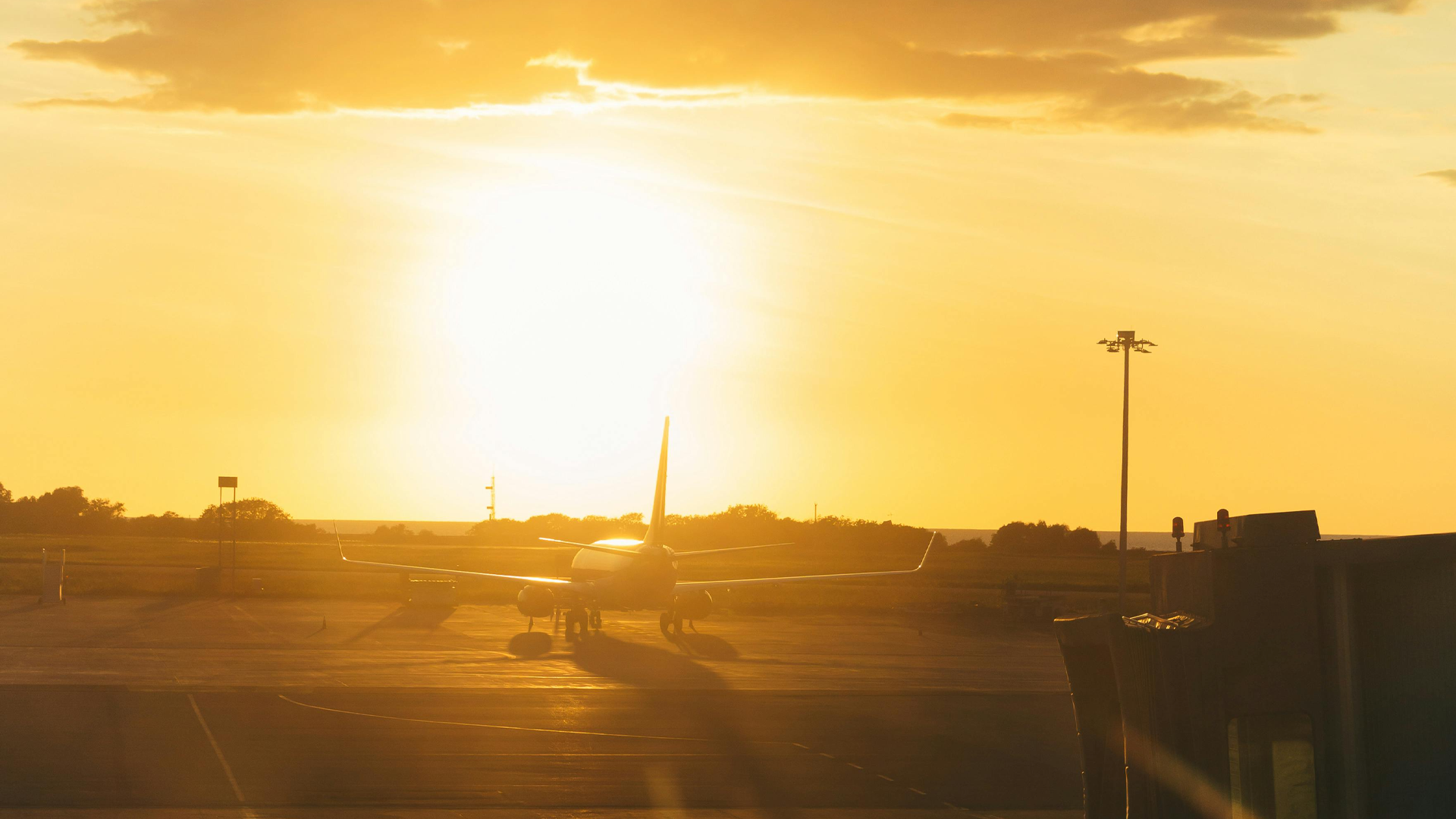
Thousands of Delta Air Lines passengers faced significant travel chaos this past week as the airline canceled over twenty flights, impacting major hubs and popular international routes. Disruptions were reported across the United States, Brazil, and Italy, leaving travelers scrambling for alternative arrangements and raising concerns about operational reliability during peak travel periods.
The cancellations primarily affected flights to and from key cities, including Sao Paulo, Naples, Miami, and Dallas. This widespread impact suggests a systemic issue rather than isolated incidents, affecting a substantial number of travelers across diverse geographical locations. Passengers booked on these routes experienced last-minute notifications, leading to frustration, missed connections, and the urgent need to rebook or seek alternative transportation.
While the article does not explicitly detail the reasons for these widespread cancellations, such disruptions often stem from a confluence of factors. These can include severe weather events impacting operational capacity, staffing shortages, aircraft maintenance issues, or unforeseen operational challenges within the airline’s network. Regardless of the cause, the outcome for affected passengers is undeniable: significant inconvenience and potential financial loss due to extended layovers, rebooking fees, or missed essential appointments.
The ripple effect of these cancellations extends beyond the directly impacted flights. It can lead to overcrowded alternative flights, increased demand for rental cars, and a general strain on the travel ecosystem as stranded passengers seek solutions. For the travel industry, such widespread disruptions underscore the critical importance of robust operational planning and contingency measures. Maintaining traveler confidence is paramount, and significant, repeated disruptions can erode brand loyalty and lead passengers to explore other carriers.
Airlines operate on intricate schedules, and the cancellation of even a few flights can have cascading effects. When over twenty flights are grounded, the impact is amplified, affecting not only those on board but also the crews, aircraft rotations, and the airline’s ability to maintain its published schedule. This situation highlights the delicate balance required to manage a global air travel network efficiently and reliably. Passengers are advised to stay informed about their flight status through Delta’s official channels and to have contingency plans in place, especially when traveling during periods of anticipated higher demand or potential weather volatility.
Key Points
Read the Complete Article.
Get curated travel AI insights — choose the newsletters that matter to you.
This spot is reserved for brands with a compelling story for the travel trade. They use this space to cut...
Read moreDetailsTravel One Technologies launches the world’s first Traveler DNA Platform, targeting the structural data gap at the core of an...
Read moreDetails