











Sail Through Time: Discover the Timeless Wonders of Upper Egypt Aboard Kenzy Dahabeya
Experience the magic of the Nile aboard Kenzy Dahabeya, a luxury boutique sailing cruise that offers an unforgettable journey between...
Read moreDetails
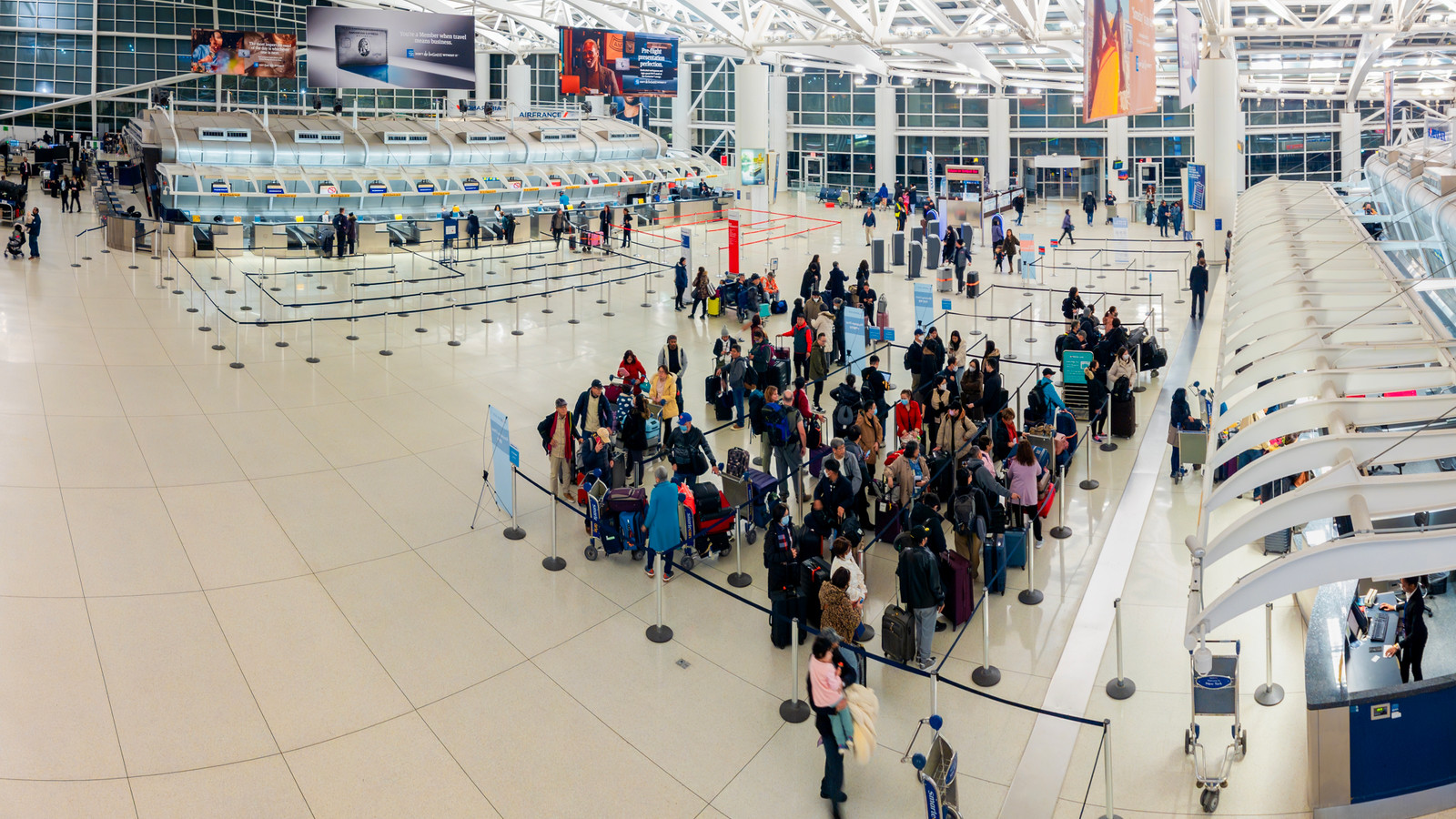
Ultra-wide view of Traveler's Checking in their Baggage in JFK Airport.
Comprehensive Summarization:
Delta Air Lines faced a challenging month in March, with the airline reporting the most cancelled flights and issuing a warning to 49 cities about more disruptions ahead. The primary cause of these disruptions is attributed to severe weather conditions on the East Coast. In addition to flight cancellations, Delta is also experiencing a reduction in passenger perks as the TSA meltdown continues across the country’s airports. This situation highlights the significant challenges faced by major carriers in the United States, particularly in managing operational disruptions and maintaining passenger satisfaction amidst ongoing logistical and regulatory issues.
Key Points:
Actionable Takeaways:
Operational Resilience: Airlines must enhance their operational resilience by investing in advanced weather forecasting technologies and contingency planning to mitigate the impact of severe weather disruptions. This could involve developing predictive models to anticipate weather-related delays and implementing flexible scheduling to manage passenger expectations effectively.
Passenger Experience Management: Airlines should prioritize passenger experience management by communicating proactively about flight disruptions and offering alternative solutions such as rebooking options, compensation, and loyalty program benefits. This approach can help maintain passenger trust and loyalty during challenging times.
Collaboration with Regulatory Bodies: Airlines need to collaborate closely with regulatory bodies like the TSA to address ongoing issues such as TSA delays. This could involve advocating for policy changes, sharing best practices for security screening efficiency, and exploring technological solutions to streamline the passenger screening process.
Contextual Insights:
The article reflects the current challenges faced by the travel industry, particularly in managing operational disruptions caused by severe weather conditions. The focus on Delta Air Lines serves as a case study for how major carriers are navigating these challenges. The reduction in passenger perks due to the TSA meltdown underscores the broader issue of regulatory pressures impacting the travel sector. Forward-looking insights suggest that the travel industry must increasingly leverage technology and innovation to enhance operational efficiency, improve passenger experience, and adapt to regulatory changes. This context highlights the importance of strategic planning and technological investment in maintaining competitiveness and resilience within the travel industry.
Read the Complete Article.
Experience the magic of the Nile aboard Kenzy Dahabeya, a luxury boutique sailing cruise that offers an unforgettable journey between...
Read moreDetails



