







Sail Through Time: Discover the Timeless Wonders of Upper Egypt Aboard Kenzy Dahabeya
Experience the magic of the Nile aboard Kenzy Dahabeya, a luxury boutique sailing cruise that offers an unforgettable journey between...
Read moreDetails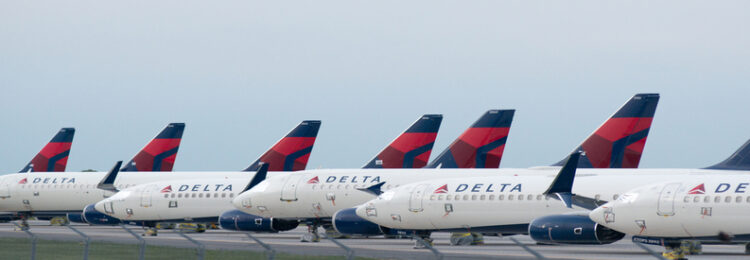
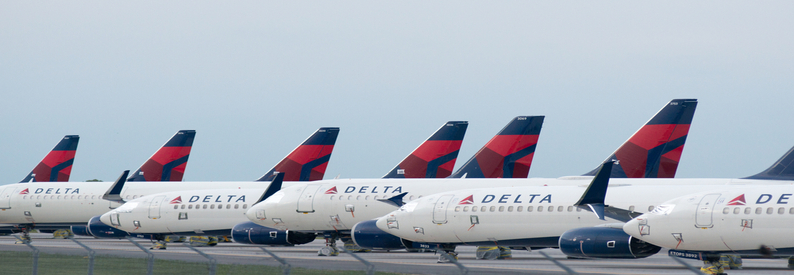
Delta Launches First US Airline Route to Riyadh From Atlanta
Article Summary:
Delta Air Lines has announced the launch of nonstop service between Atlanta and Riyadh, marking the first time a US airline has operated scheduled flights to Saudi Arabia. This new route, set to commence on October 23, signifies a significant milestone in Delta’s international network expansion and reflects the growing demand for travel and commercial links between the United States and the Middle East. The service will connect Delta’s primary hub at Atlanta with the Saudi capital, Riyadh.
Key Points:
Actionable Takeaways:
Contextual Insights:
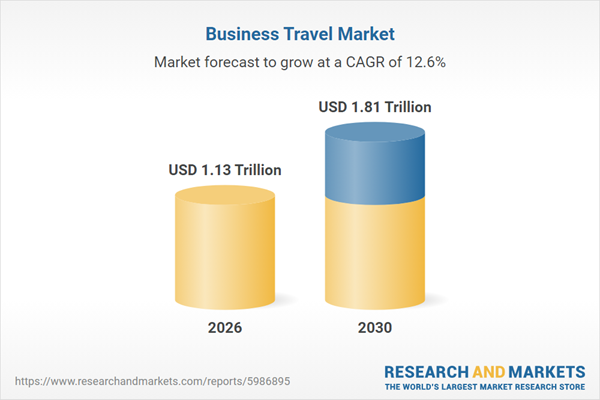
The launch of Delta’s nonstop service to Riyadh underscores the evolving dynamics of the global travel industry, particularly in the context of expanding commercial ties between the United States and the Middle East. This development aligns with broader travel trends indicating a surge in demand for long-haul flights and international connectivity. As the travel industry continues to recover and expand post-pandemic, such strategic moves by major airlines like Delta are indicative of a broader shift towards more interconnected global markets. Furthermore, this move reflects the increasing importance of Middle Eastern destinations in the global travel landscape, driven by factors such as economic growth, political stability, and cultural attractions. For thought leaders in the travel sector, this serves as a reminder of the importance of strategic network planning and the potential for innovation in travel technology to enhance customer experiences and operational efficiencies.
Read the Complete Article.
Experience the magic of the Nile aboard Kenzy Dahabeya, a luxury boutique sailing cruise that offers an unforgettable journey between...
Read moreDetails



