











Sail Through Time: Discover the Timeless Wonders of Upper Egypt Aboard Kenzy Dahabeya
Experience the magic of the Nile aboard Kenzy Dahabeya, a luxury boutique sailing cruise that offers an unforgettable journey between...
Read moreDetails
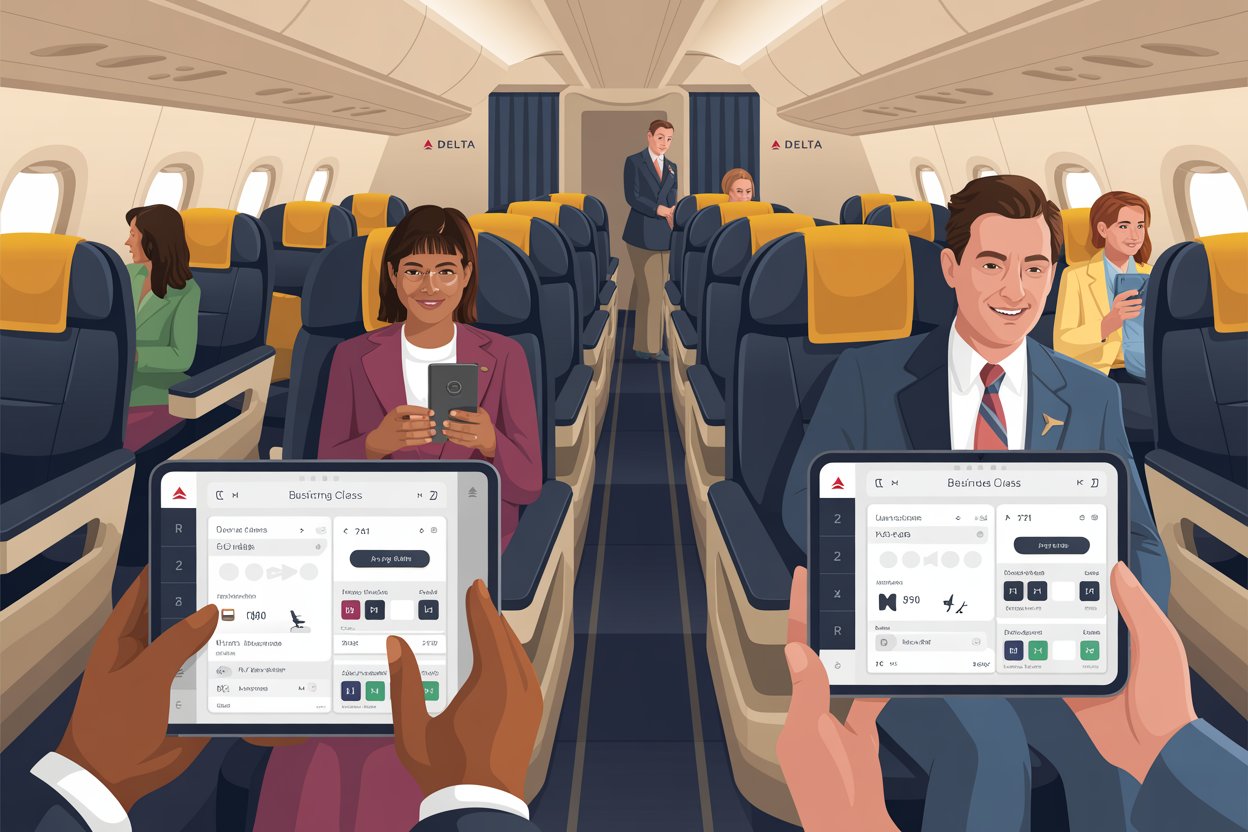
Delta Redefines Premium Travel: Basic Business Class Fares Set to Transform Global Flying in 2026
Comprehensive Summarization:
Delta Air Lines has announced the introduction of “basic” business and first-class fare categories in 2026, as reported by multiple dependable aviation industry sources and recent airline news. This strategic move reflects a global trend of unbundling premium services, moving away from one rigid business class fare toward tiered structures that allow passengers to choose between cost and benefits. The article emphasizes that these changes are part of a broader shift in the travel industry, where airlines are adapting to consumer preferences for more flexible and customizable travel options.
Key Points:
Actionable Takeaways:
Adapt to Consumer Preferences: Airlines should consider implementing tiered fare structures to cater to diverse consumer preferences for cost and benefits. This approach can enhance customer satisfaction and loyalty by offering more personalized travel options.
Stay Ahead of Industry Trends: Travel companies should monitor global trends in premium service unbundling and be prepared to adapt their offerings accordingly. This proactive stance can help maintain competitive advantage in a rapidly evolving market.
Leverage Data for Personalization: Utilize data analytics to understand and predict customer preferences for tiered services. This can inform strategic decisions on fare structures and enhance the overall travel experience.
Contextual Insights:
The introduction of tiered business and first-class fare categories by Delta Air Lines is indicative of a broader industry trend towards flexibility and customization in travel services. As consumers increasingly seek personalized travel experiences, airlines are responding by offering more nuanced fare options. This shift is supported by recent reports and industry analyses, which highlight the growing demand for flexible travel choices. Furthermore, the move aligns with advancements in travel technology, where data-driven insights are being leveraged to tailor travel offerings to individual preferences. For travel startups and fintech companies, this trend presents opportunities to innovate in fare structuring and personalized travel solutions, potentially tapping into a growing market segment that values choice and flexibility.
Read the Complete Article.
Experience the magic of the Nile aboard Kenzy Dahabeya, a luxury boutique sailing cruise that offers an unforgettable journey between...
Read moreDetails



