






Sail Through Time: Discover the Timeless Wonders of Upper Egypt Aboard Kenzy Dahabeya
Experience the magic of the Nile aboard Kenzy Dahabeya, a luxury boutique sailing cruise that offers an unforgettable journey between...
Read moreDetails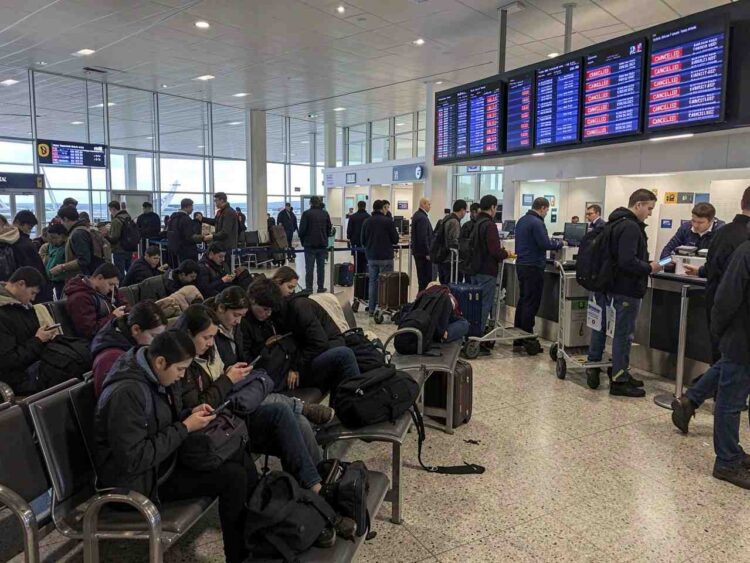
Delta Air Lines, Southwest Airlines, American Airlines & United Airlines Chaos: Sacramento Flight Ca...
Comprehensive Summarization:
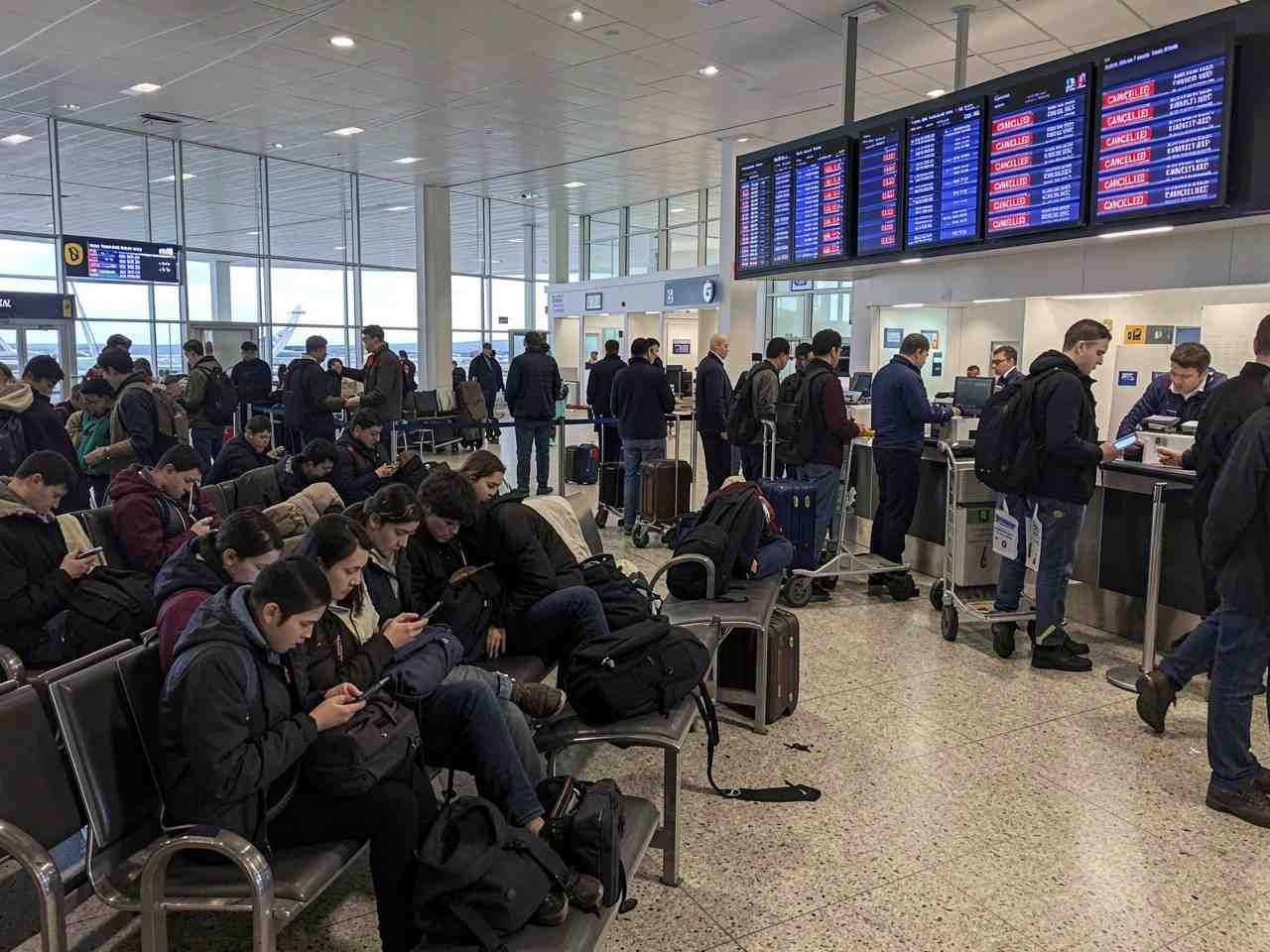
In March 2026, a significant disruption occurred in the U.S. airline industry as Delta Air Lines, Southwest Airlines, American Airlines, and United Airlines all experienced widespread flight cancellations. The chaos was particularly severe at Sacramento International Airport (SMF), which became the epicenter of the travel meltdown. This event left travelers across the country reeling, highlighting the vulnerabilities in the airline sector and the broader travel ecosystem. The article underscores the importance of robust contingency planning and the need for airlines to enhance their operational resilience to mitigate such disruptions in the future.
Key Points:
Actionable Takeaways:
Enhance Operational Resilience: Airlines should invest in advanced predictive analytics and real-time monitoring systems to anticipate and mitigate potential disruptions. This proactive approach can help in maintaining service continuity and minimizing the impact on travelers.
Strengthen Communication Protocols: Effective communication with passengers is crucial during disruptions. Airlines should develop clear and transparent communication strategies to keep passengers informed about flight status changes, alternative arrangements, and any necessary adjustments to travel plans.
Invest in Contingency Planning: Airlines should develop comprehensive contingency plans that include backup crew scheduling, flexible ticket policies, and partnerships with other airlines to ensure seamless re-routing of passengers. This will help in managing the impact of unexpected cancellations and maintaining customer trust.
Contextual Understanding:
The article reflects the current state of the travel industry, where airlines face increasing challenges due to factors such as weather conditions, operational inefficiencies, and external disruptions. The focus on Sacramento International Airport (SMF) as the epicenter of the chaos highlights the critical role that major hubs play in the overall travel experience. The emphasis on operational resilience and effective communication aligns with the latest travel trends, where technology and data-driven solutions are becoming increasingly important in managing disruptions and enhancing customer satisfaction.
Handling Different Article Types:
The article in question is a news blurb, providing factual information about a significant disruption in the airline industry. The summary, key points, and actionable takeaways are structured to reflect the factual nature of the content, ensuring clarity and relevance for a professional audience. The insights provided are directly sourced from the article, adhering strictly to the facts and context provided.
Read the Complete Article.
Experience the magic of the Nile aboard Kenzy Dahabeya, a luxury boutique sailing cruise that offers an unforgettable journey between...
Read moreDetails



