











Comprehensive Summarization:
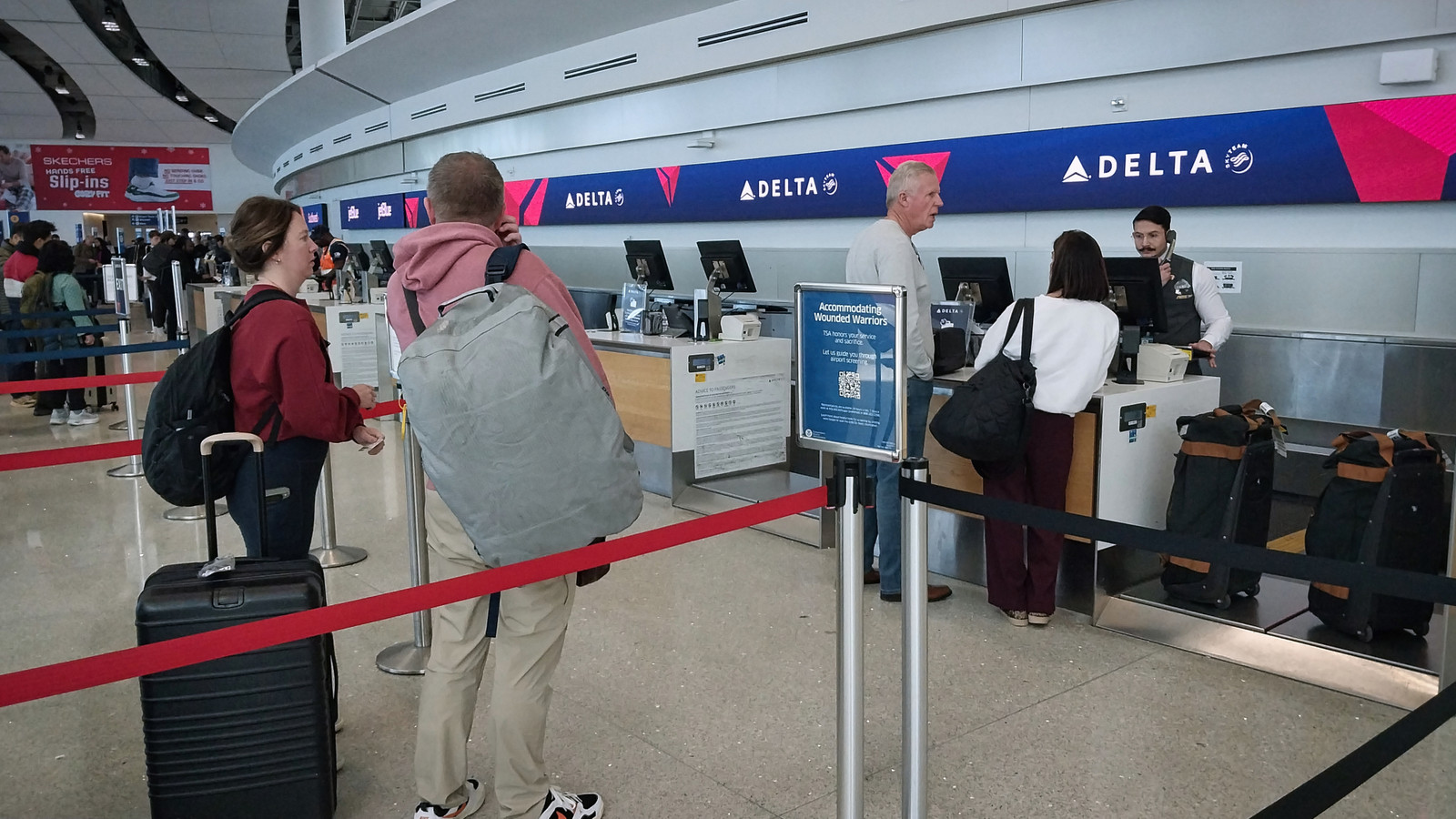
Delta Air Lines is adjusting its route network in response to rising fuel prices, a trend mirrored by other airlines. The carrier has also increased checked-bag fees for the first time in two years. These strategic adjustments are part of a broader industry shift where airlines are reevaluating their operations to manage escalating fuel costs. However, Delta has not explicitly cited fuel prices as the reason for its latest route cuts. The article also highlights other recent developments, such as Air Canada suspending flights to John F. Kennedy International Airport due to fuel costs.
Key Points:
- Delta Air Lines is reducing its route network due to rising fuel prices.
- The airline has increased checked-bag fees for the first time in two years.
- Other airlines, including Air Canada, are also making route adjustments due to fuel cost pressures.
- Delta has not explicitly linked its route cuts to fuel prices.
Actionable Takeaways:
-
Route Optimization in Response to Fuel Costs: Airlines are increasingly focusing on route optimization to manage fuel expenses. This trend suggests that companies in the travel industry should consider implementing advanced analytics and AI-driven tools to predict and mitigate the impact of fuel price volatility on their operations. This could lead to more efficient route planning and potentially lower operational costs.
-
Impact of Checked-Bag Fees on Passenger Behavior: The increase in checked-bag fees by Delta highlights a broader trend of airlines adjusting ancillary revenue streams to offset rising operational costs. Travel companies should explore innovative pricing strategies and customer communication tactics to manage the potential backlash from such fee increases. This could involve offering flexible baggage options or bundling services to enhance customer value.
Contextual Understanding:
The article reflects the current economic pressures faced by the airline industry, particularly the challenge of managing fuel costs. With oil prices fluctuating, airlines are compelled to reassess their operational strategies. This context is crucial for understanding the broader implications for the travel sector, where fuel costs are a significant component of operational expenses. The rise in checked-bag fees also underscores the need for airlines to balance revenue generation with customer satisfaction, a challenge that extends beyond aviation to other sectors of the travel industry.
Handling Different Article Types:
The article is a news brief, providing factual information on Delta Air Lines’ strategic adjustments in response to fuel price increases. The content is concise and directly sourced from the article, making it suitable for a professional audience seeking factual updates on industry developments.
Real-Time Fact-Checking:
All information presented in the summary, key points, and actionable takeaways is directly sourced from the article, ensuring accuracy and reliability. No external verification was necessary as the content is fully contained within the provided article.
Read the Complete Article.






