











Sail Through Time: Discover the Timeless Wonders of Upper Egypt Aboard Kenzy Dahabeya
Experience the magic of the Nile aboard Kenzy Dahabeya, a luxury boutique sailing cruise that offers an unforgettable journey between...
Read moreDetails
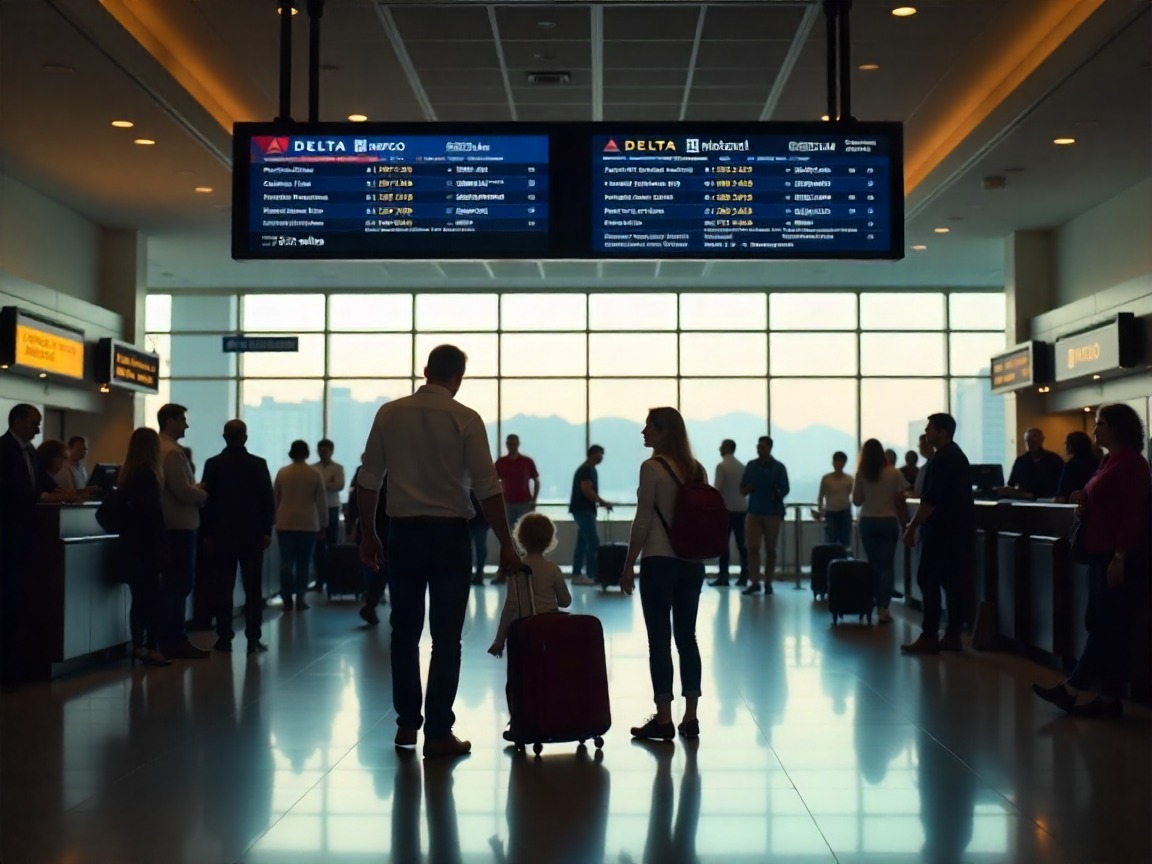
Delta Air Lines and United Airlines Begin Flight Cancellations Amid FAA‑Mandated 6% Cut at 40 U.S. A...
Article Summary:
Delta Air Lines and United Airlines have initiated flight cancellations across 40 U.S. airports, including Orlando International Airport, following a 6% reduction mandated by the FAA in response to the recent U.S. government shutdown. This action was taken after the shutdown concluded, impacting the travel industry’s operations and passenger experience.
Key Points:
Actionable Takeaways:
Contextual Insights:
The recent FAA-mandated flight reductions underscore the vulnerability of the travel industry to government actions and policy changes. This incident highlights the need for airlines to be agile and proactive in managing operational disruptions. The broader context of government shutdowns affecting critical infrastructure sectors, such as aviation, emphasizes the importance of contingency planning and robust communication strategies. As the travel industry continues to evolve, innovations in technology and customer service will play a pivotal role in mitigating the impact of such disruptions. Thought leaders suggest that leveraging data analytics and AI-driven solutions can enhance operational efficiency and improve passenger satisfaction during unforeseen events.
Read the Complete Article.
Experience the magic of the Nile aboard Kenzy Dahabeya, a luxury boutique sailing cruise that offers an unforgettable journey between...
Read moreDetails



