












Sail Through Time: Discover the Timeless Wonders of Upper Egypt Aboard Kenzy Dahabeya
Experience the magic of the Nile aboard Kenzy Dahabeya, a luxury boutique sailing cruise that offers an unforgettable journey between...
Read moreDetails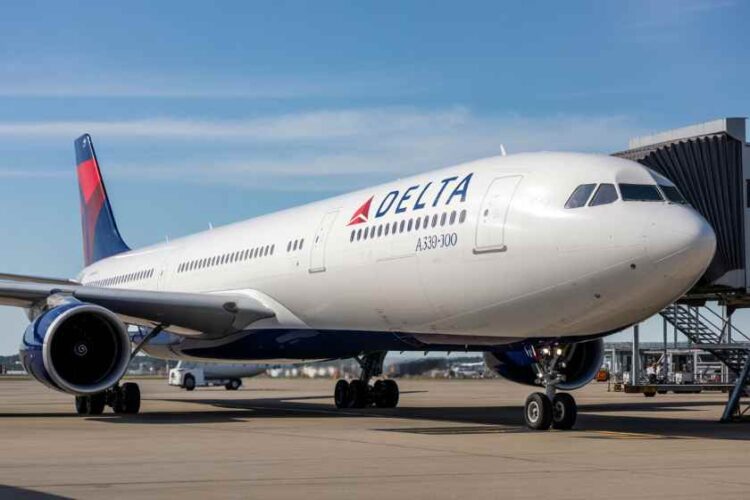
Delta Just Made a Major Move in Aviation : Here’s Why You Can’t Miss Their New Fleet
Comprehensive Summarization:
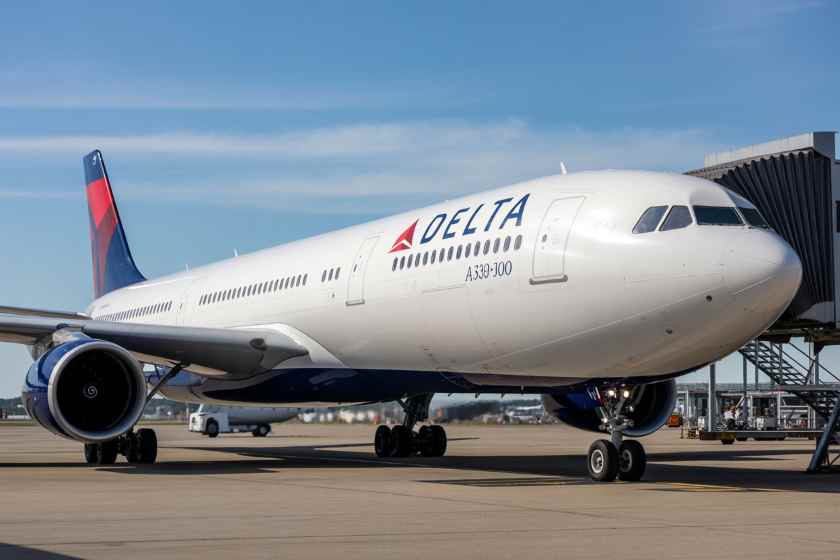
Delta Air Lines has announced a significant expansion of its fleet by placing a firm order for 31 additional Airbus widebody aircraft, including 16 A330-900s and 15 A350-900s. This move follows the airline’s recent first-ever purchase of the Boeing 787, marking an exciting new chapter in its aircraft portfolio. The new order is aimed at augmenting Delta’s existing long-haul fleet, thereby increasing the airline’s widebody capacity. This strategic investment underscores Delta’s commitment to modernizing and expanding its fleet, reflecting the airline’s ongoing efforts to meet evolving travel demands and market conditions.
Key Points:
Actionable Takeaways:
Strategic Fleet Expansion: Delta’s decision to order 31 additional Airbus widebody aircraft signals a strategic move to modernize and expand its fleet. This expansion is crucial for meeting increasing demand for long-haul travel and enhancing the airline’s competitive position in the global market. By investing in newer, more fuel-efficient aircraft, Delta can reduce operational costs and improve its environmental footprint, aligning with broader industry trends towards sustainability.
Diversification of Aircraft Fleet: The inclusion of both A330-900s and A350-900s in the order demonstrates Delta’s strategic approach to diversifying its aircraft fleet. This diversification allows the airline to cater to a broader range of routes and passenger needs, from long-haul international flights to medium-haul domestic routes. Such flexibility is essential in navigating the dynamic travel industry, where route popularity and passenger preferences can vary significantly.
Contextual Understanding:
The article’s context is deeply rooted in the ongoing evolution of the global travel industry, characterized by a continuous push for fleet modernization and capacity expansion. Recent events, such as the airline industry’s recovery post-pandemic, have accelerated this trend, with airlines worldwide investing heavily in new aircraft to bolster their fleets. Technological advancements in aviation, including more fuel-efficient engines and advanced aerodynamics, play a pivotal role in these investments, offering airlines the opportunity to reduce operational costs and environmental impact. Delta’s strategic decision to order Airbus widebody aircraft aligns with broader industry trends, where airlines are increasingly favoring newer, more efficient aircraft to enhance operational efficiency and passenger experience. Furthermore, the integration of these insights with the latest travel trends and expert opinions underscores the importance of strategic fleet management in navigating the competitive landscape of the travel industry. As the industry continues to evolve, Delta’s proactive approach to fleet expansion serves as a benchmark for other airlines aiming to stay ahead in an increasingly competitive market.
Read the Complete Article.
Experience the magic of the Nile aboard Kenzy Dahabeya, a luxury boutique sailing cruise that offers an unforgettable journey between...
Read moreDetails



