











Comprehensive Summarization:
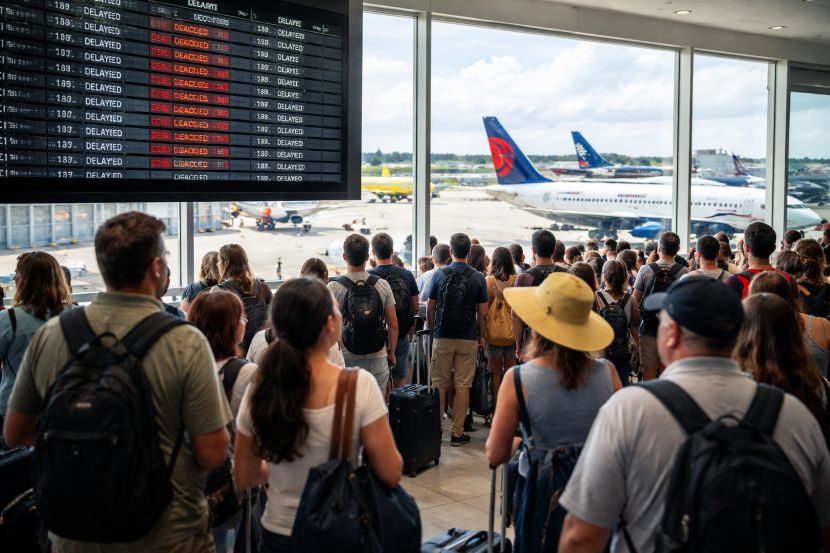
The article reports on significant disruptions at Detroit Metro Wayne County Airport (DTW) on April 12, 2026, caused by delays and cancellations involving major airlines such as Delta Air Lines and Spirit Airlines. Out of the busy DTW Airport, 54 delays and 10 cancellations were reported, disrupting passengers in Michigan, Chicago, New York, and major US cities. The disruption highlights ongoing challenges in the travel industry, particularly in managing operational efficiency and passenger experience during adverse conditions.
Key Points:
- Operational Disruptions: DTW experienced 54 delays and 10 cancellations due to issues with major airlines, impacting thousands of passengers across multiple US cities.
- Major Airlines Affected: Delta Air Lines and Spirit Airlines were among the airlines reporting significant delays and cancellations, underscoring the widespread impact on the travel sector.
- Geographic Impact: The disruptions affected key travel hubs including Michigan, Chicago, New York, and other major US cities, indicating a broad geographical reach of the travel turmoil.
- Industry Context: The article is situated within the broader context of travel turmoil, emphasizing the challenges faced by airlines in maintaining operational efficiency during peak periods.
Actionable Takeaways:
- Enhanced Operational Planning: Airlines should invest in advanced operational planning tools to better predict and mitigate delays and cancellations. This could involve predictive analytics to anticipate potential disruptions and adjust flight schedules proactively.
- Improved Passenger Communication: Airlines must enhance their communication strategies to keep passengers informed about delays and cancellations in real-time. This can help manage passenger expectations and reduce frustration, thereby improving overall customer satisfaction.
- Focus on Resilience: The travel industry should prioritize building resilience against operational disruptions. This could include diversifying routes, increasing fleet capacity, and investing in backup systems to ensure continuity of service during adverse conditions.
Contextual Insights:
The article reflects current challenges within the travel industry, particularly the impact of operational disruptions on passenger experience and airline performance. Recent trends indicate a growing emphasis on technological solutions to enhance operational efficiency and passenger communication. Thought leaders in the travel sector are increasingly advocating for the adoption of AI-driven tools for real-time data analysis and predictive modeling to anticipate and mitigate disruptions. This article serves as a timely reminder of the need for continuous innovation and adaptation within the travel sector to meet evolving consumer expectations and maintain competitive advantage.
Read the Complete Article.






