











Sail Through Time: Discover the Timeless Wonders of Upper Egypt Aboard Kenzy Dahabeya
Experience the magic of the Nile aboard Kenzy Dahabeya, a luxury boutique sailing cruise that offers an unforgettable journey between...
Read moreDetails
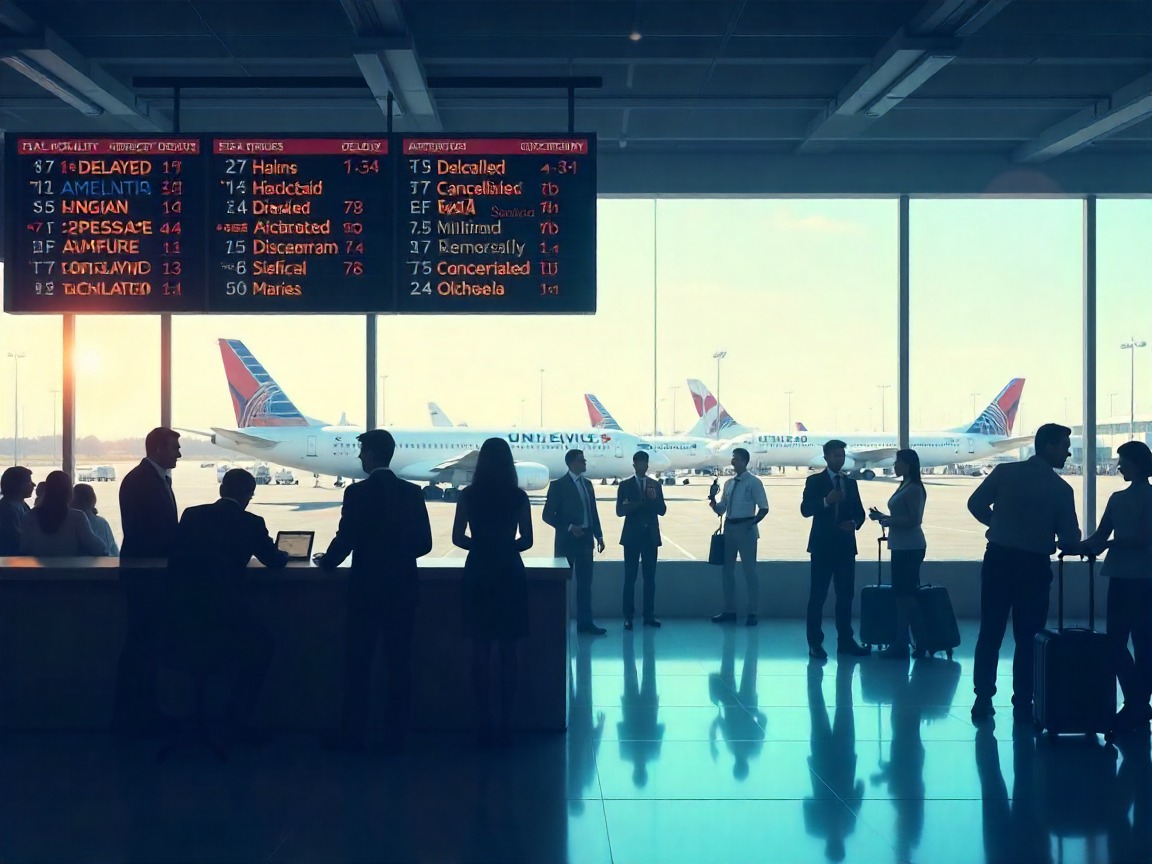
Federal Aviation Administration to reduce U.S. air traffic by 10% at 40 major airports amid governme...
Article Summary:
The Federal Aviation Administration (FAA) has announced plans to reduce U.S. air traffic by 10% at 40 major airports due to a government shutdown. This decision impacts airlines such as United Airlines, Delta Air Lines, American Airlines, and Southwest Airlines, which are preparing for the anticipated changes. The article highlights the immediate impact on these airlines and the broader implications for the travel industry.
Key Points:
Actionable Takeaways:
Contextual Insights:
The FAA’s decision to reduce U.S. air traffic by 10% at 40 major airports amid a government shutdown reflects the broader challenges faced by the travel industry in the face of regulatory and operational uncertainties. This scenario underscores the importance of adaptability and resilience in the travel sector, particularly as airlines and airports navigate through periods of reduced capacity and increased operational complexity. The article also highlights the need for airlines to leverage technology and customer-centric strategies to mitigate the impact of these changes. Furthermore, the context of recent travel trends, such as increased demand for flexible booking options and enhanced digital services, suggests that the industry is evolving to meet the needs of modern travelers. These insights provide a forward-looking perspective on how the travel industry can respond to and potentially benefit from such regulatory challenges.
Read the Complete Article.
Experience the magic of the Nile aboard Kenzy Dahabeya, a luxury boutique sailing cruise that offers an unforgettable journey between...
Read moreDetails



