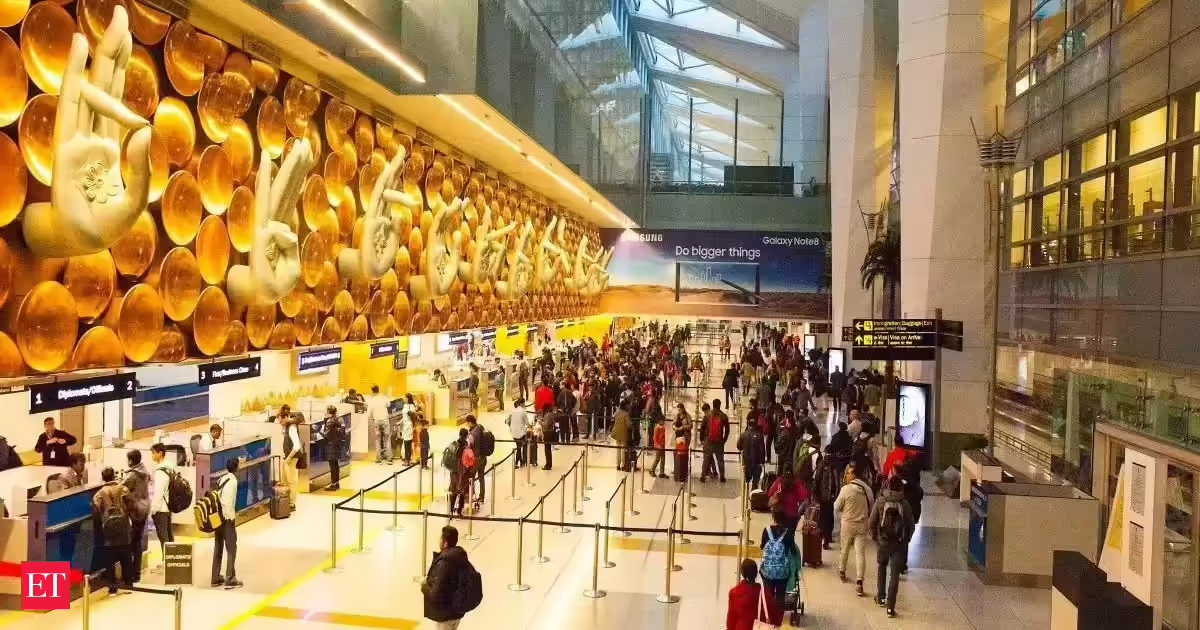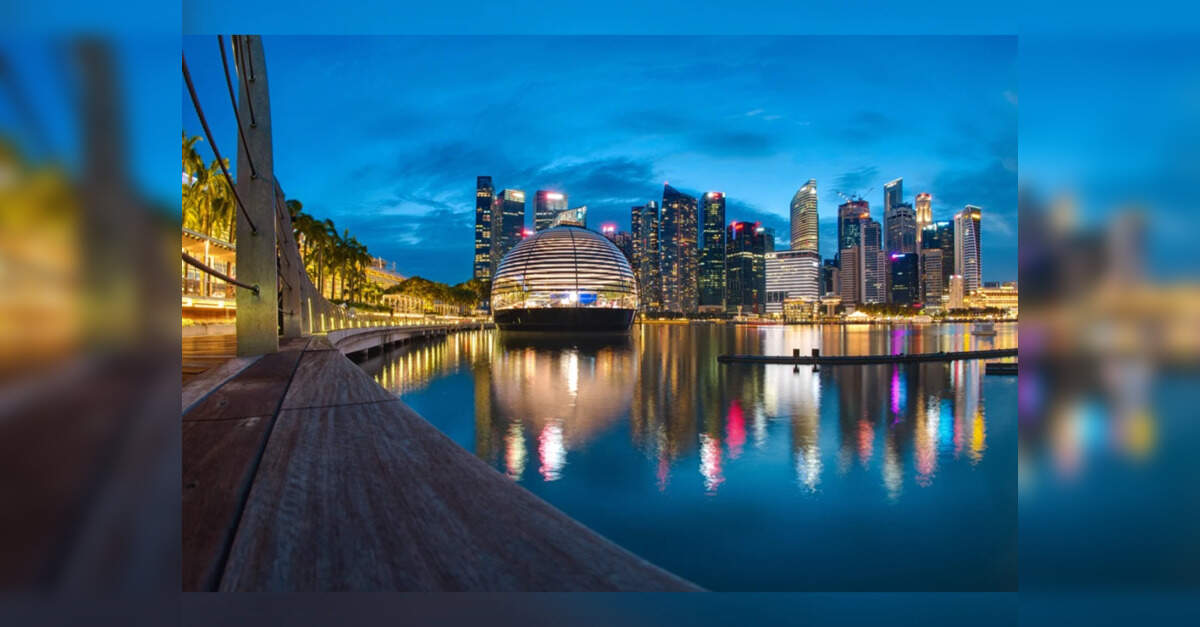
Singapore encourages longer stays and repeat visits by Indian tourists
THE NEWS: Singapore welcomed more than 600,000 visitors from India between January and June 2026, and tourism receipts from the Indian...
Read moreDetails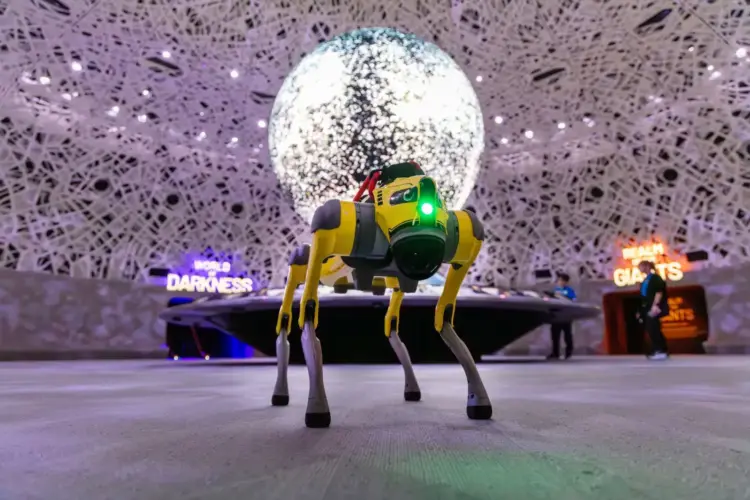
AI-Powered Robodog Guides at Singapore’s Sentosa and the Mandai Wildlife Reserve
Comprehensive Summarization:
The Singapore Tourism Board (STB) has collaborated with China-based travel platform Mafengwo to introduce AI-powered, multilingual visitor guides at Sentosa Sensory scape, Exploria, and Curiosity Cove within the Mandai Wildlife Reserve. This pilot program, running from April 18 to May 17, 2026, utilizes robodogs equipped with AI and Mafengwo’s travel content ecosystem to deliver personalized storytelling and real-time assistance in English and Mandarin. The initiative aims to enhance visitor experiences by catering to Singapore’s diverse international audience, offering an engaging and intuitive exploration of the attractions.
Key Points:
Actionable Takeaways:
Enhanced Visitor Experience: The integration of AI and multilingual support in visitor guides can significantly enhance the visitor experience by providing personalized and real-time assistance. This innovation caters to the diverse linguistic needs of Singapore’s international audience, potentially increasing visitor satisfaction and retention.
Leveraging AI in Travel: The use of AI in travel, particularly through robodogs, represents a forward-thinking approach to leveraging technology in the travel industry. This pilot program could set a precedent for other travel destinations to adopt similar AI-driven solutions, fostering innovation in travel tech and potentially opening new market opportunities for startups specializing in AI and multilingual services.
Market Expansion and Competitive Advantage: By offering a unique, tech-driven visitor experience, Singapore can position itself as a leader in innovative tourism. This could attract more international tourists, thereby boosting the tourism sector and providing a competitive edge over other destinations. The success of this pilot program could encourage other cities to explore similar AI-driven tourism solutions, driving broader industry-wide adoption.
Contextual Understanding:
The article reflects the ongoing trend of integrating artificial intelligence and multilingual support in the travel industry, a response to the increasing demand for personalized and accessible travel experiences. As global travel becomes more accessible, the need for innovative solutions that cater to diverse linguistic and cultural backgrounds is paramount. The use of AI-powered guides, such as the robodogs in this pilot program, aligns with the latest travel trends emphasizing technology-driven enhancements in visitor engagement and satisfaction.
Moreover, the collaboration between STB and Mafengwo underscores the growing importance of partnerships between tourism boards and tech platforms in driving innovation. This approach not only enhances the visitor experience but also leverages existing travel content ecosystems to create value. The focus on real-time assistance and storytelling through AI reflects a broader industry shift towards immersive and interactive travel experiences, as highlighted by thought leaders in the travel tech sector.
In conclusion, the introduction of AI-powered visitor guides at key Singapore attractions marks a significant step forward in enhancing the visitor experience through technology. The actionable insights derived from this initiative highlight the potential for AI to transform the travel industry, offering practical benefits for both tourists and tourism operators. As the travel sector continues to evolve, embracing such innovations will be crucial for maintaining competitiveness and meeting the expectations of a global, diverse audience.
Read the Complete Article.
THE NEWS: Singapore welcomed more than 600,000 visitors from India between January and June 2026, and tourism receipts from the Indian...
Read moreDetails
Experience the magic of the Nile aboard Kenzy Dahabeya, a luxury boutique sailing cruise that offers an unforgettable journey between...
Read moreDetails