











Sail Through Time: Discover the Timeless Wonders of Upper Egypt Aboard Kenzy Dahabeya
Experience the magic of the Nile aboard Kenzy Dahabeya, a luxury boutique sailing cruise that offers an unforgettable journey between...
Read moreDetails
Southwest Airlines, United Airlines, American Airlines and Delta Air Lines Face Flight Cancellations...
Article Summary:
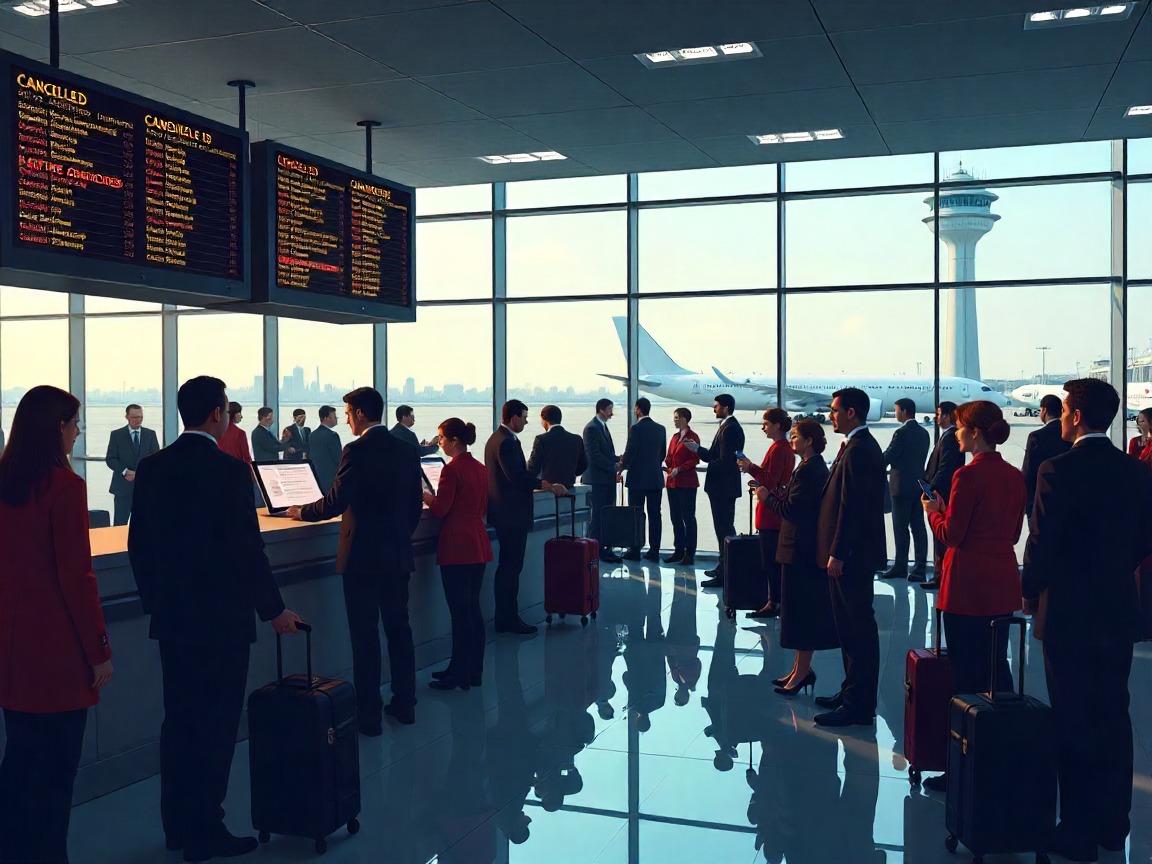
The article reports that major U.S. airlines, including Southwest Airlines, United Airlines, American Airlines, and Delta Air Lines, are experiencing significant disruptions due to the ongoing U.S. government shutdown. This shutdown has led to a 4% to 10% reduction in operations as the Federal Aviation Administration (FAA) orders a cut in air traffic controller staffing. The article highlights the chaos and operational challenges faced by these airlines, emphasizing the impact of the staffing shortages on the U.S. airline industry during a critical period.
Key Points:
Actionable Takeaways:
Operational Adjustments Required: Airlines must implement immediate operational adjustments to mitigate the impact of reduced staffing. This could include re-evaluating flight schedules, increasing crew training, and exploring partnerships to manage workload effectively.
Focus on Customer Communication: Airlines should enhance communication with customers regarding potential delays and cancellations. Transparent communication can help manage customer expectations and maintain trust during this challenging period.
Contextual Insights:
The ongoing U.S. government shutdown has created unprecedented challenges for the airline industry, particularly for major carriers like Southwest, United, American, and Delta. The reduction in air traffic controllers has led to operational cuts, causing delays, cancellations, and increased operational costs. This situation underscores the critical role of air traffic management in aviation operations and highlights the vulnerabilities in the current staffing model.
In the broader context of the travel industry, this disruption highlights the need for resilience and adaptability. The article also reflects current trends in the industry, such as the increasing reliance on technology to manage operations and enhance customer experience. As airlines navigate through this crisis, there is an opportunity to innovate and adopt new technologies that can improve operational efficiency and customer satisfaction.
The article also points to the broader implications for the travel sector, including potential impacts on travel startups and fintech innovations. For instance, airlines may need to explore new revenue models or partnerships to offset the financial impact of reduced operations. Additionally, the situation could spur innovation in travel tech, particularly in areas like real-time flight tracking, customer communication platforms, and alternative staffing solutions.
Overall, the article provides a clear picture of the current challenges faced by the U.S. airline industry and offers actionable insights for stakeholders to navigate through this period of uncertainty.
Read the Complete Article.
Experience the magic of the Nile aboard Kenzy Dahabeya, a luxury boutique sailing cruise that offers an unforgettable journey between...
Read moreDetails



