









Sail Through Time: Discover the Timeless Wonders of Upper Egypt Aboard Kenzy Dahabeya
Experience the magic of the Nile aboard Kenzy Dahabeya, a luxury boutique sailing cruise that offers an unforgettable journey between...
Read moreDetails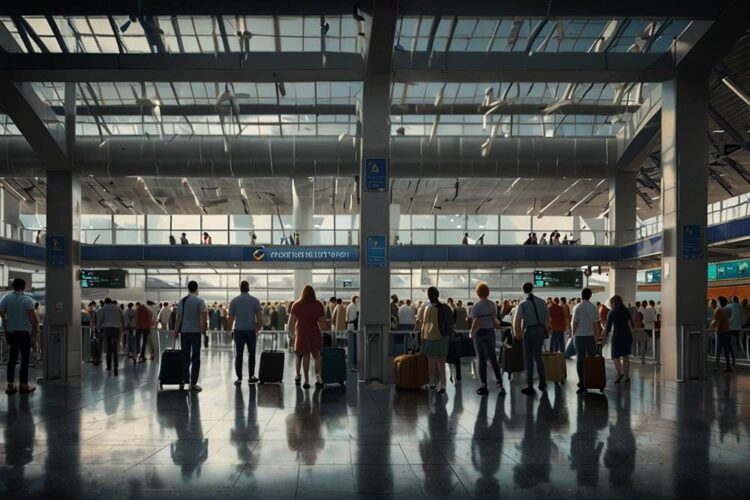
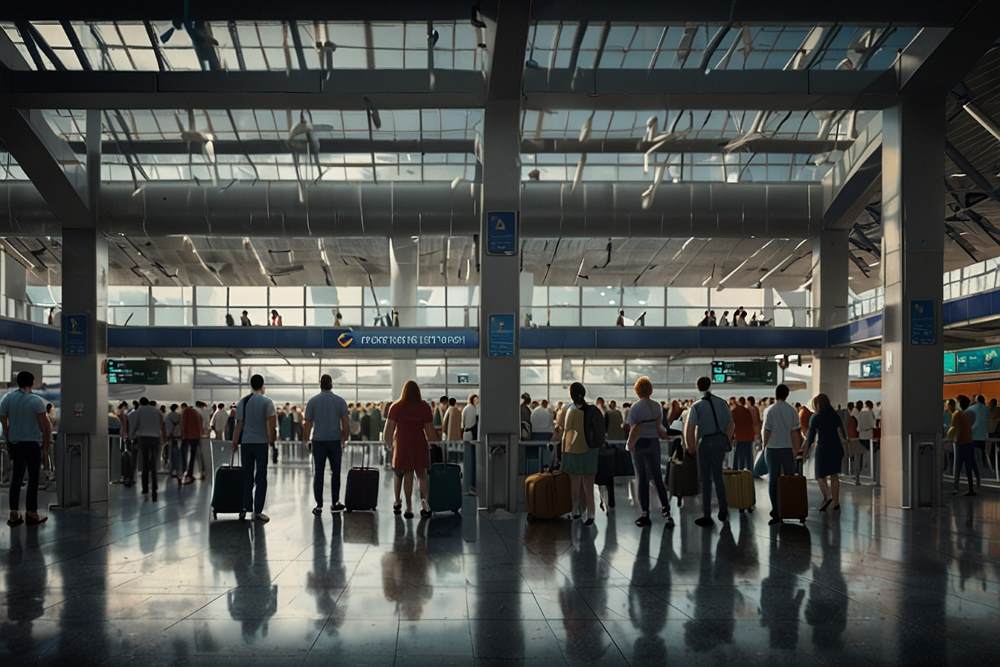
Thousands of Passengers Stranded in Canada as Air Canada, Jazz, Porter Airlines, WestJet, Endeavor, ...
Article Summary:
On November 11, 2025, thousands of passengers in Canada are stranded due to widespread delays and cancellations affecting major airlines including Air Canada, Jazz, Porter Airlines, WestJet, Endeavor, Delta, Lufthansa, United, and more. The disruptions span across key cities such as Montreal and Toronto, significantly impacting air travel across the country.
Key Points:
Actionable Takeaways:
Contextual Insights:
The article reflects the ongoing challenges faced by the travel industry in managing large-scale disruptions, particularly in a post-pandemic era where travel demand is rapidly evolving. The disruptions underscore the importance of technological innovation and customer-centric strategies in maintaining operational resilience. As the travel industry continues to recover, integrating advanced digital solutions and prioritizing customer communication will be crucial in navigating future disruptions effectively. The current scenario also highlights the need for collaboration among airlines, airports, and regulatory bodies to ensure a coordinated response to such challenges.
Read the Complete Article.
Experience the magic of the Nile aboard Kenzy Dahabeya, a luxury boutique sailing cruise that offers an unforgettable journey between...
Read moreDetails



