











Sail Through Time: Discover the Timeless Wonders of Upper Egypt Aboard Kenzy Dahabeya
Experience the magic of the Nile aboard Kenzy Dahabeya, a luxury boutique sailing cruise that offers an unforgettable journey between...
Read moreDetails
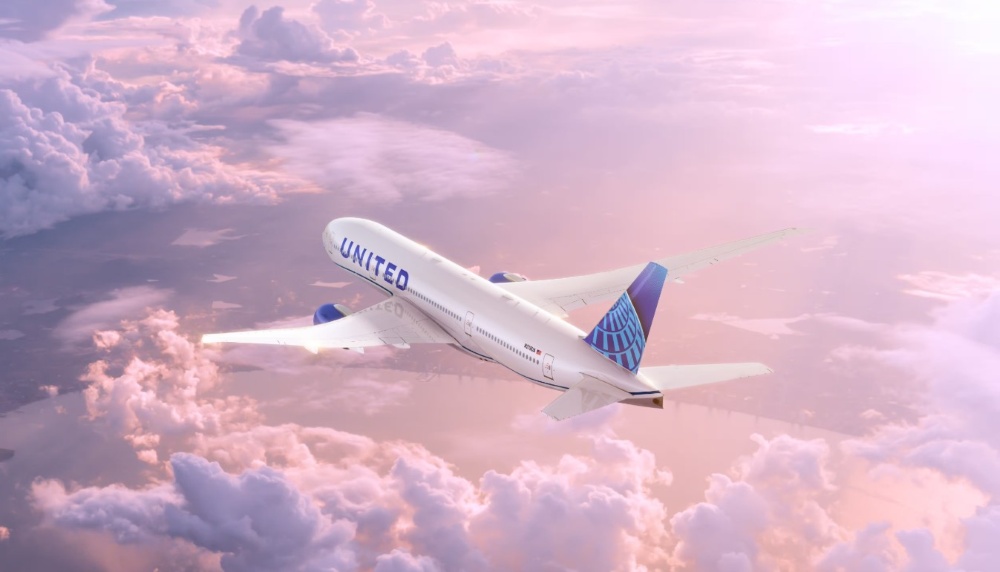
United Joins Delta, American, British, Lufthansa, Emirates and More Airlines to Dominate the Skies, ...
Comprehensive Summarization:
In January 2026, United Airlines, alongside Delta, American, British Airways, Lufthansa, Emirates, and other leading airlines, has solidified its position as a dominant force in the skies. This consolidation comes as business air travel stabilizes in 2025, marking a significant recovery from the disruptions caused by the pandemic. The article highlights the resurgence of air travel, driven by the stabilization of business travel, and underscores the competitive edge these major airlines have gained in the post-pandemic landscape. The focus is on the industry’s recovery, the competitive dynamics among major carriers, and the broader implications for the travel sector.
Key Points:
Actionable Takeaways:
Contextual Insights:
The resurgence of major airlines in 2025 reflects a broader trend of industry recovery post-pandemic. The stabilization of business travel is a critical indicator of this recovery, signaling a return to pre-pandemic levels of commercial air travel. This context is crucial for understanding the competitive dynamics among airlines and the strategic shifts they are undertaking to regain market share. Furthermore, the article’s emphasis on the stabilization of business travel highlights the importance of business-centric strategies for airlines, including tailored services, competitive pricing, and enhanced operational efficiency. These insights are aligned with current industry trends, where technology and innovation play a pivotal role in shaping the future of air travel. As the travel industry continues to evolve, airlines that adapt to these trends and leverage technological advancements will be better positioned to capitalize on the growing demand for air travel.
Read the Complete Article.
Experience the magic of the Nile aboard Kenzy Dahabeya, a luxury boutique sailing cruise that offers an unforgettable journey between...
Read moreDetails



