










Sail Through Time: Discover the Timeless Wonders of Upper Egypt Aboard Kenzy Dahabeya
Experience the magic of the Nile aboard Kenzy Dahabeya, a luxury boutique sailing cruise that offers an unforgettable journey between...
Read moreDetails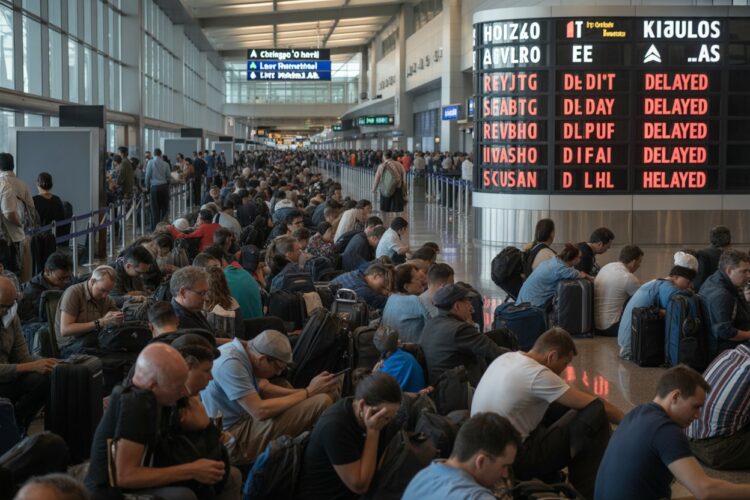
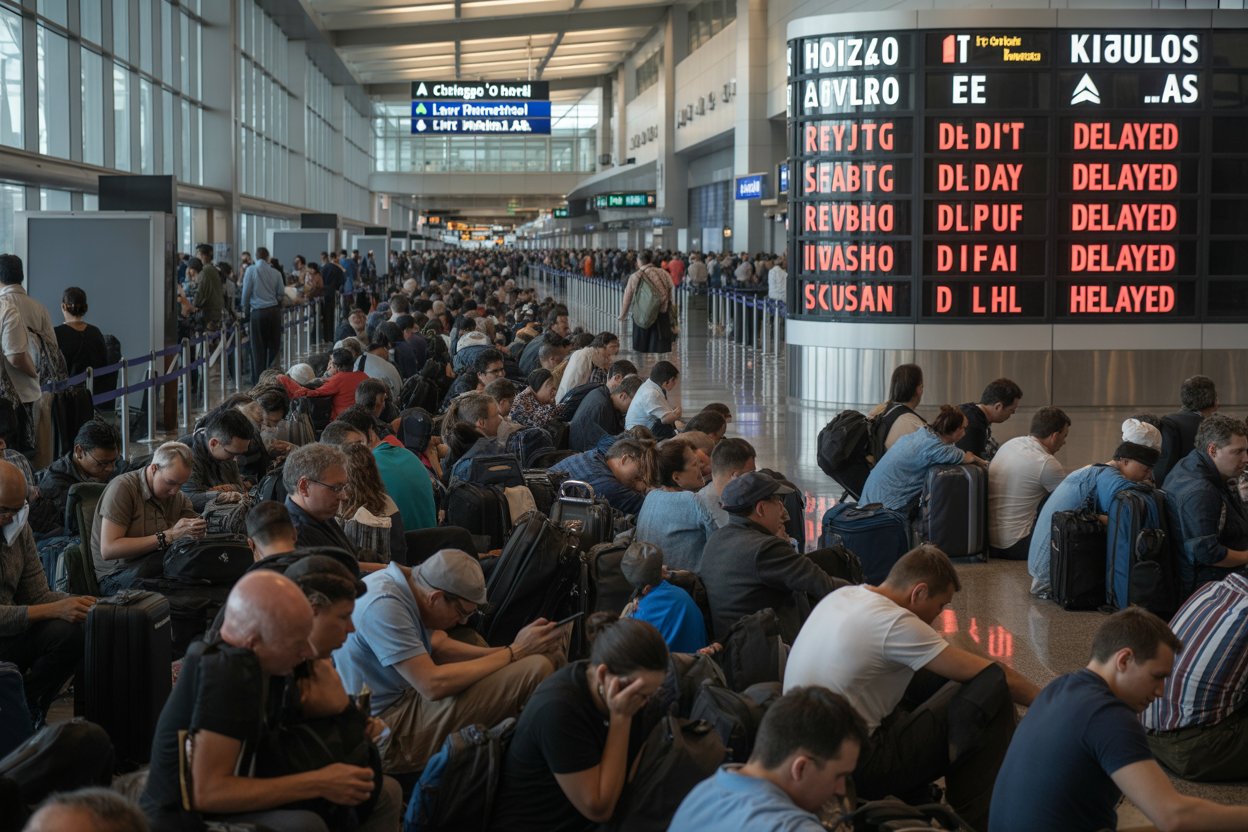
Over 6242 Flight Cancellations and 7629 Delays Hit the US as Delta, JetBlue, United, Republic, Ameri...
Comprehensive Summarization:
The article reports on significant travel disruptions in the United States, with over 6,242 flight cancellations and 7,629 delays impacting major carriers such as Delta, JetBlue, United, Republic, American, PSA, and others. This travel turmoil is affecting airports across key cities including Dallas, Charlotte, Boston, Atlanta, Chicago, Austin, and beyond. The disruptions highlight ongoing challenges in the travel industry, particularly in managing operational efficiency and passenger experience during adverse conditions.
Key Points:
Actionable Takeaways:
Enhanced Operational Resilience: Airlines and airports should invest in advanced operational technologies to improve resilience against disruptions. This includes real-time tracking systems, predictive analytics for demand forecasting, and flexible scheduling to minimize the impact of cancellations and delays.
Focus on Passenger Experience: There is a critical need for airlines to prioritize passenger experience during disruptions. This could involve better communication strategies, compensation policies for delayed or canceled flights, and improved customer service to retain customer trust and loyalty.
Collaborative Industry Solutions: The travel industry should explore collaborative solutions, such as shared resources and coordinated scheduling among airlines, to better manage disruptions. This could help in redistributing resources more efficiently and reducing the overall impact of flight cancellations and delays.
Contextual Insights:
The recent surge in flight cancellations and delays underscores the vulnerabilities within the U.S. travel infrastructure. This situation is reflective of broader industry trends where technological advancements and operational efficiencies are crucial for maintaining service quality. The article aligns with current industry trends emphasizing the importance of digital transformation and customer-centric strategies. Forward-looking insights suggest that the integration of AI and machine learning for predictive analytics could significantly mitigate future disruptions. Additionally, the emphasis on passenger experience during disruptions highlights a growing trend towards customer-centricity in the travel sector, where airlines are increasingly investing in technologies to enhance communication and support during adverse events.
Read the Complete Article.
Experience the magic of the Nile aboard Kenzy Dahabeya, a luxury boutique sailing cruise that offers an unforgettable journey between...
Read moreDetails



