










Sail Through Time: Discover the Timeless Wonders of Upper Egypt Aboard Kenzy Dahabeya
Experience the magic of the Nile aboard Kenzy Dahabeya, a luxury boutique sailing cruise that offers an unforgettable journey between...
Read moreDetails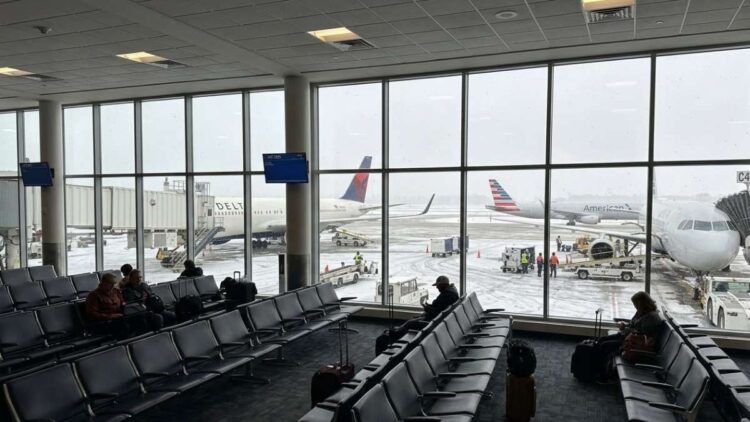
US Domestic Air Travel Falls 3.1% in December as International Hits Record
Comprehensive Summarization:
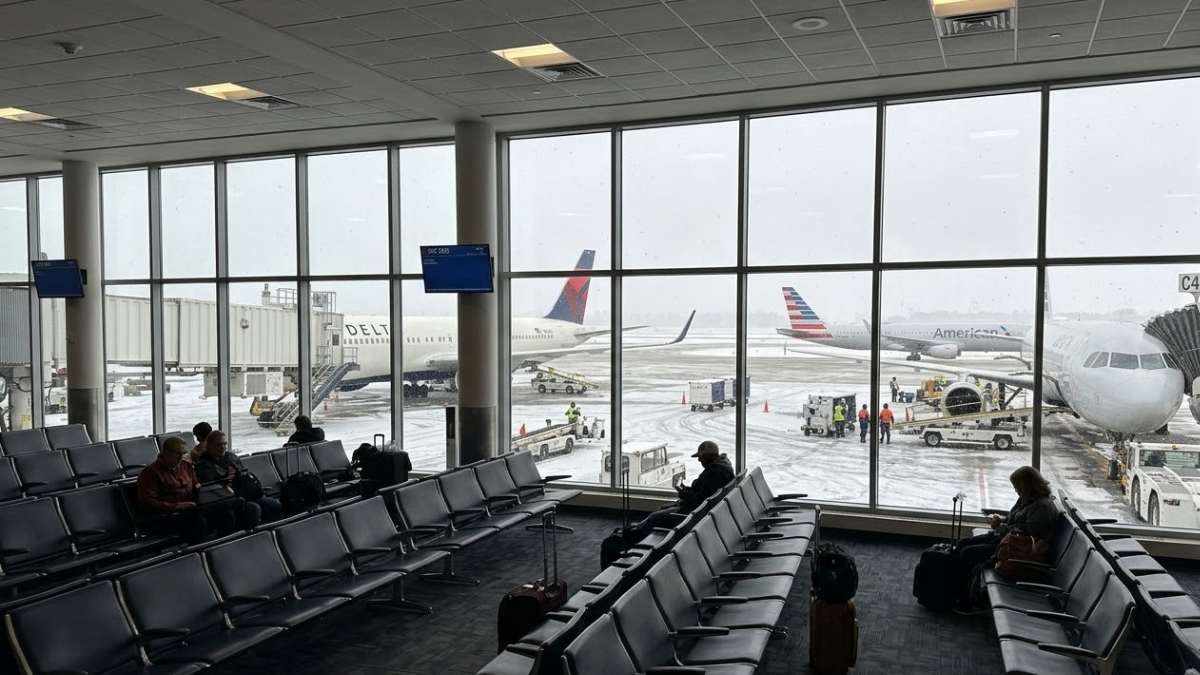
The article presents a detailed analysis of US airline performance in December 2025, highlighting a 2.6% drop in total systemwide passengers to 81.2 million, marking a decline from the all-time record of 83.3 million in December 2024. The data reveals a significant 3.1% decrease in domestic enplanements to 69.9 million, while international traffic reached a record 11.3 million passengers for December. Major carriers such as Delta, American, United, Southwest, Alaska, JetBlue, Spirit, and Frontier contributed to the domestic decline, with travelers shifting their spending towards international travel. The article underscores the impact of this shift on the travel industry, particularly in terms of passenger volume and market dynamics.
Key Points:
Actionable Takeaways:
Shift in Traveler Preferences: The significant drop in domestic enplanements suggests a notable shift in traveler preferences towards international destinations. This trend indicates a potential opportunity for airlines to focus on enhancing international routes and services to capitalize on the increased demand. Understanding and adapting to this shift can help airlines optimize their route networks and marketing strategies to attract more international travelers.
Impact on Domestic Carriers: The decline in domestic traffic among major US airlines like Delta, American, United, Southwest, Alaska, JetBlue, Spirit, and Frontier highlights the need for these carriers to reassess their domestic route strategies. This could involve revisiting pricing models, enhancing customer service, or investing in new technologies to improve the passenger experience and retain market share. Airlines may also consider partnerships or alliances to expand their domestic network and compete more effectively in a changing market landscape.
Contextual Insights:
The article reflects the ongoing challenges faced by the US airline industry in maintaining passenger numbers, particularly in the domestic sector. The shift in traveler preferences towards international travel could be attributed to various factors, including global events, economic conditions, and changing consumer behavior. As the travel industry continues to evolve, airlines must remain agile and responsive to these shifts. This may involve leveraging technology to enhance operational efficiency, investing in customer-centric services, and exploring new market opportunities. Additionally, the article underscores the importance of staying informed about emerging travel trends and insights from industry thought leaders to navigate the complexities of the modern travel landscape effectively. By integrating these insights, airlines can better position themselves to meet the evolving needs of their customers and maintain a competitive edge in the industry.
Read the Complete Article.
Experience the magic of the Nile aboard Kenzy Dahabeya, a luxury boutique sailing cruise that offers an unforgettable journey between...
Read moreDetails



