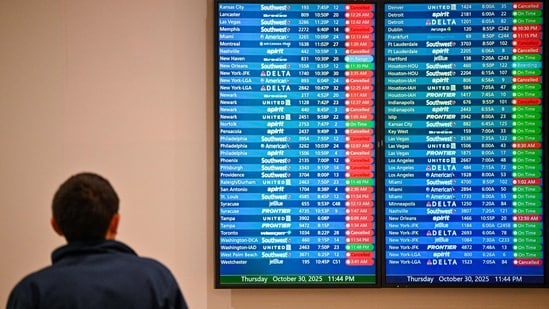













Comprehensive Summarization:
The article reports on airlines across Europe, the Middle East, and Asia announcing cancellations, suspensions, and route changes due to airspace closures following strikes involving Israel, Iran, and the United States. Several carriers cited safety concerns, while others issued advisories about longer flight times and possible disruptions. The article highlights the impact on the travel industry, emphasizing safety concerns and operational challenges faced by airlines in the region.
Key Points:
- Airspace closures in Israel, Iran, and the United States have led to cancellations, suspensions, and route changes by airlines in Europe, the Middle East, and Asia.
- Safety concerns are a primary reason cited by several carriers for these disruptions.
- Other carriers have issued advisories regarding longer flight times and potential disruptions.
- The article underscores the operational challenges and safety concerns faced by airlines in the region due to geopolitical tensions.
Actionable Takeaways:
-
Operational Adjustments Required: Airlines must implement operational adjustments to manage cancellations, suspensions, and route changes. This includes re-evaluating flight schedules, enhancing safety protocols, and communicating effectively with passengers to manage expectations and minimize disruptions.
-
Focus on Safety Protocols: Given the safety concerns cited by carriers, airlines should prioritize the implementation of stringent safety protocols. This may involve investing in advanced safety technologies, conducting thorough safety audits, and ensuring compliance with international safety standards to mitigate risks associated with airspace closures and potential disruptions.
Contextual Insights:
The article reflects the current geopolitical tensions in the Middle East, which have significant implications for the travel industry. The safety concerns and operational challenges faced by airlines underscore the vulnerability of the travel sector to geopolitical events. This situation highlights the need for airlines to adopt flexible and resilient operational strategies to navigate such disruptions effectively. Furthermore, the article aligns with the broader trend of increased focus on safety and security in the travel industry, driven by recent geopolitical developments. Airlines that proactively address these challenges by enhancing safety measures and operational flexibility are likely to better withstand future disruptions, positioning themselves for long-term resilience in the face of geopolitical uncertainties.
Read the Complete Article.


