











Comprehensive Summarization:
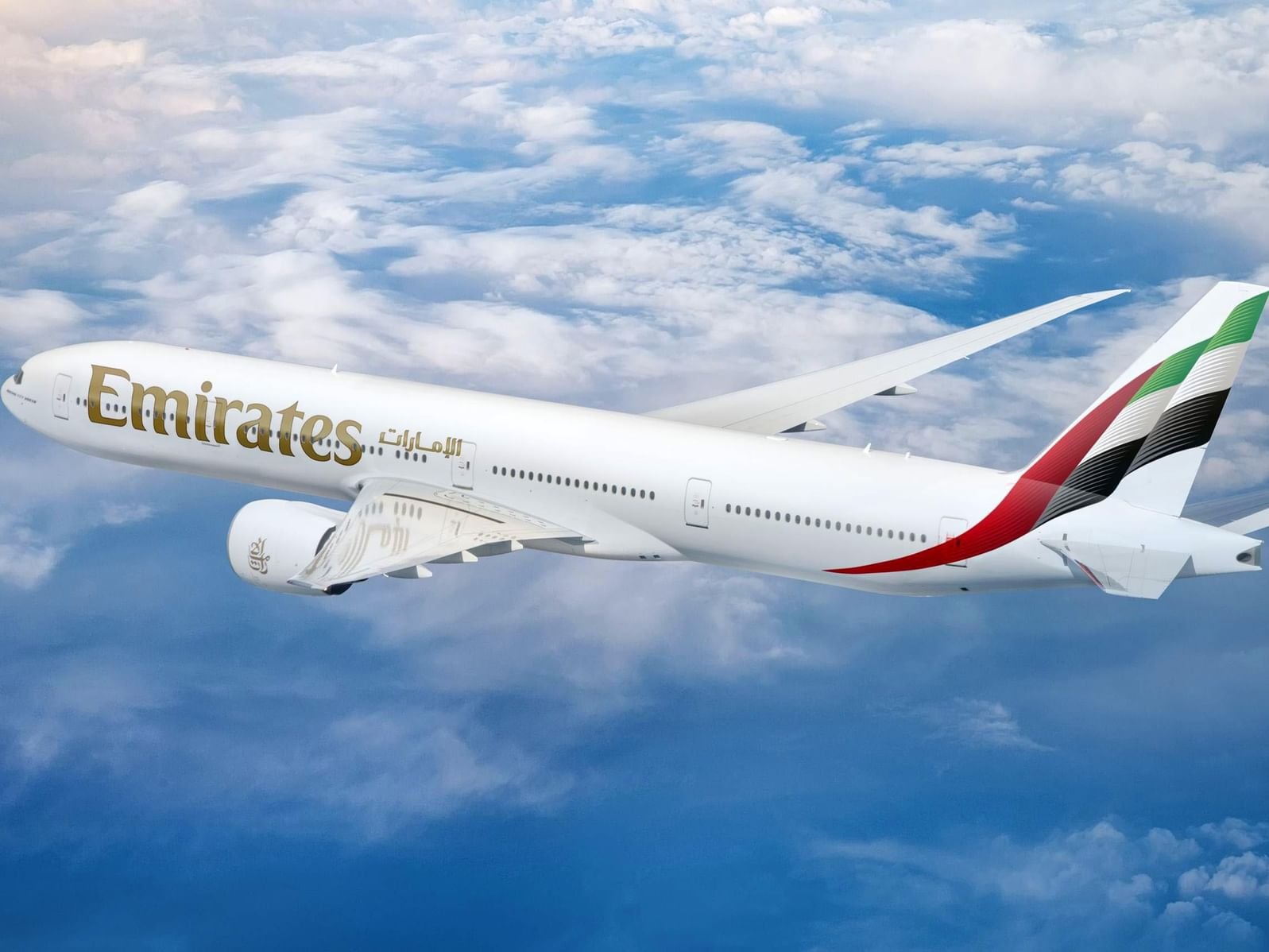
The article reports on Emirates’ gradual return to operations, highlighting the airline’s expansion across various regions including the Americas, Europe, Africa, West Asia, the Middle East, the Gulf countries, the Far East, Australia, and New Zealand. Emirates currently operates flights to 137 destinations in 72 countries, with over 1,300 flights per week, representing approximately 75% of its global network. This expansion signifies a significant recovery and growth in the airline industry post-pandemic, showcasing the resilience and adaptability of major carriers in re-establishing their global footprint.
Key Points:
- Emirates has resumed flights across multiple regions, including the Americas, Europe, Africa, West Asia, the Middle East, the Gulf countries, the Far East, Australia, and New Zealand.
- The airline operates flights to 137 destinations in 72 countries, with more than 1,300 flights per week, accounting for about 75% of its global network.
- This expansion reflects a strategic recovery and growth phase for Emirates in the post-pandemic travel landscape.
Actionable Takeaways:
- Recovery Strategy: Emirates’ gradual return to operations demonstrates a robust recovery strategy, emphasizing the importance of phased re-entry into markets to assess demand and operational capacity. This approach can serve as a model for other airlines navigating post-pandemic recovery.
- Network Expansion: The airline’s extensive network covering 137 destinations highlights the importance of a wide-reaching network in ensuring connectivity and market penetration. For travel startups and fintech companies, this underscores the value of strategic partnerships and diversified routes to capture market share and enhance service offerings.
- Market Adaptation: The focus on regions like the Far East, Australia, and New Zealand indicates a strategic adaptation to emerging travel trends and consumer preferences. Travel tech companies should consider developing solutions that support regional expansion and cater to evolving consumer demands in these markets.
Contextual Understanding:
The article’s context is deeply rooted in the post-pandemic recovery of the global travel industry. Emirates’ strategic expansion aligns with broader industry trends of resilience and adaptability, as airlines worldwide work to rebuild their operations and customer bases. The emphasis on a wide network of destinations reflects a shift towards comprehensive connectivity, catering to the growing demand for global travel. Expert insights suggest that such strategic expansions, supported by robust travel tech and fintech solutions, are crucial for airlines to regain market share and enhance operational efficiency. The article also touches on the importance of regional focus, aligning with current trends that prioritize localized travel experiences and tailored services to meet diverse consumer needs.
Handling Different Article Types:
The article is a news brief, providing factual information on Emirates’ operational recovery. The structured output format ensures clarity and relevance for a professional audience, presenting the information in a concise and actionable manner. The summary captures the main theme and key developments, while the key points highlight critical aspects of the airline’s expansion. The actionable takeaways offer practical insights for industry stakeholders, emphasizing strategic recovery, network expansion, and market adaptation. Contextual insights integrate current travel trends and expert opinions, providing a forward-looking perspective on the industry’s future trajectory.
Read the Complete Article.






