







Comprehensive Summarization:
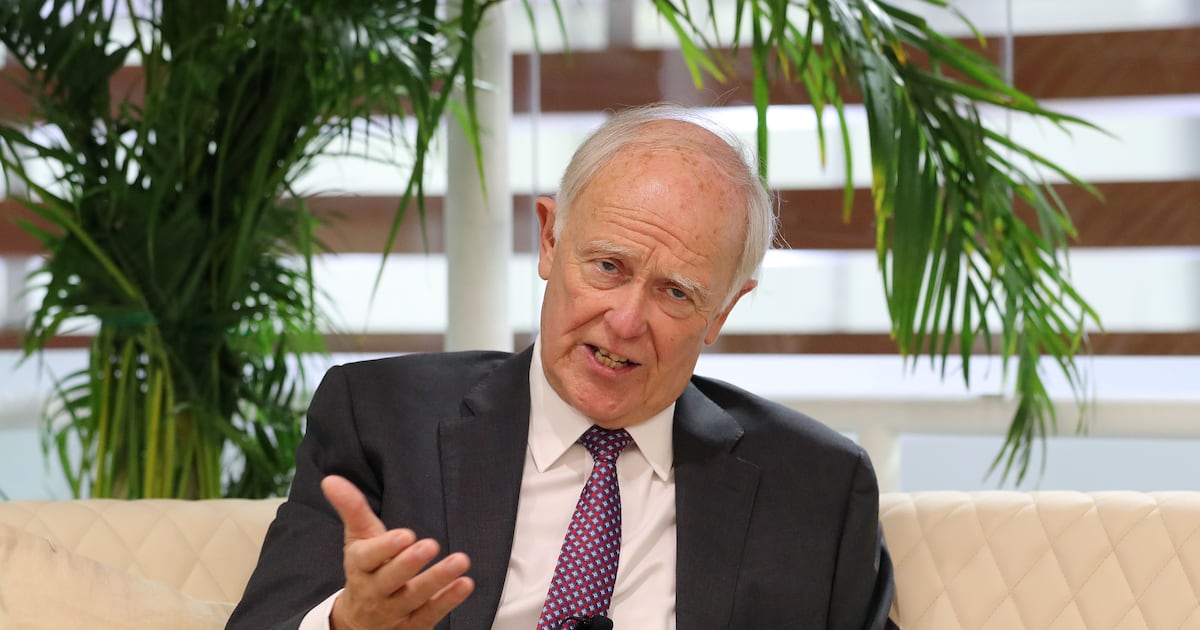
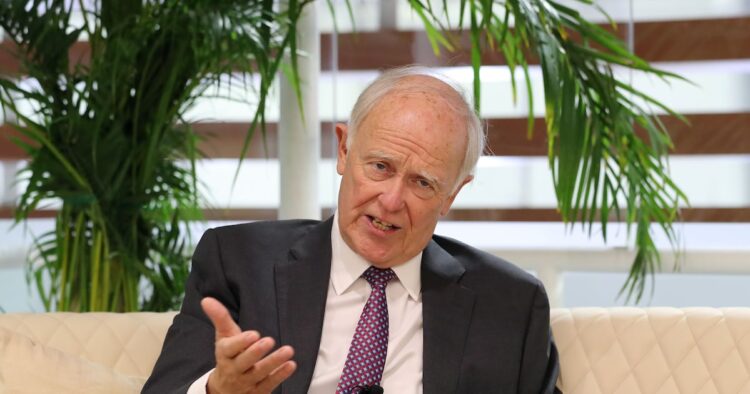
The article discusses Emirates Airline’s CEO, Tim Clark, expressing confidence in the airline’s ability to navigate the potential fallout from the Iran war on air travel. Clark highlights the company’s resilience in the face of past crises and the strategic appeal of Dubai as a tourism and commercial hub in the Middle East. The context is set against the backdrop of the latest travel trends and insights, emphasizing the importance of adaptability and strategic positioning in the face of geopolitical uncertainties.
Key Points:
- Emirates Airline CEO Tim Clark has maintained a defiant tone regarding the implications of the Iran war on air travel, expressing confidence in the company’s ability to manage the fallout.
- The airline is banking on its history of quickly rebounding from previous crises, leveraging Dubai’s status as a tourism and commercial hub in the Middle East.
- The article underscores the importance of adaptability and strategic positioning in the travel industry, especially in the face of geopolitical uncertainties.
Actionable Takeaways:
-
Resilience in Crisis Management: Emirates Airline’s ability to quickly rebound from past crises serves as a model for other airlines facing geopolitical uncertainties. This suggests a strategic focus on robust crisis management protocols and a proactive approach to risk assessment.
-
Leveraging Strategic Locations: Dubai’s role as a tourism and commercial hub in the Middle East is highlighted as a key factor in Emirates’ strategy. This emphasizes the importance of selecting strategic locations for business operations, particularly in regions with high demand and resilience.
-
Focus on Adaptability: The article underscores the need for adaptability in the travel industry, particularly in response to geopolitical events. Companies should prioritize flexibility in their operations and strategic planning to navigate uncertainties effectively.
Contextual Insights:
The article’s context is deeply rooted in the current geopolitical landscape, particularly the Iran war, which has significant implications for air travel and international tourism. The emphasis on Dubai’s appeal as a hub reflects broader trends in the travel industry towards strategic location selection and resilience planning. The insights provided align with current industry trends, such as the increasing importance of crisis management and strategic location selection in ensuring business continuity and growth. These takeaways are particularly relevant for travel startups and fintech innovations, as they highlight the need for adaptable, resilient business models in a volatile global environment.
Read the Complete Article.






