












Comprehensive Summarization:
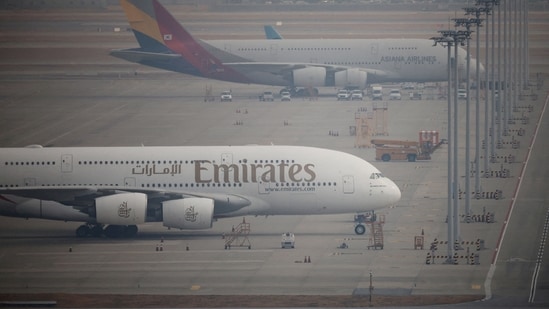
An Emirates flight, EK533, which was en route to Dubai from Kochi in Kerala, was forced to return to Kochi due to a sudden closure of Dubai International Airport. The flight, carrying 325 passengers, initially departed from Cochin International Airport (CIAL) at 04:30 am. Passengers are advised to remain on board while the situation at Dubai is reviewed. The article also touches upon the broader context of recent travel disruptions and the resilience of airlines in managing such unforeseen circumstances.
Key Points:
- Emirates flight EK533 returned to Kochi due to a sudden closure of Dubai International Airport.
- The flight, carrying 325 passengers, initially departed from Cochin International Airport (CIAL) at 04:30 am.
- Passengers are advised to remain on board while the situation at Dubai is reviewed.
- The incident highlights the importance of flexibility and contingency planning in the travel industry.
Actionable Takeaways:
-
Flexibility in Travel Planning: Airlines must implement robust contingency plans to handle unexpected airport closures. This includes real-time communication with passengers and the ability to reroute flights efficiently. This takeaway is crucial for maintaining passenger trust and minimizing disruptions in travel schedules.
-
Importance of Real-Time Communication: Effective communication with passengers during disruptions is vital. Airlines should leverage technology to keep passengers informed about the status of their flights and any changes in itinerary. This not only enhances passenger experience but also helps in managing expectations during unforeseen events.
Contextual Insights:
The sudden closure of Dubai International Airport underscores the vulnerability of global travel to geopolitical and logistical challenges. This incident highlights the need for airlines to invest in resilient infrastructure and flexible operational strategies. In the current travel landscape, characterized by frequent disruptions due to various factors such as weather, security concerns, and geopolitical tensions, the ability to adapt quickly and communicate effectively becomes a key differentiator for airlines. Furthermore, this event reinforces the importance of integrating advanced technologies, such as AI and real-time data analytics, to enhance operational efficiency and passenger experience. As the travel industry continues to evolve, embracing innovation and maintaining a proactive approach to crisis management will be essential for sustained success.
Read the Complete Article.


