










Comprehensive Summarization:
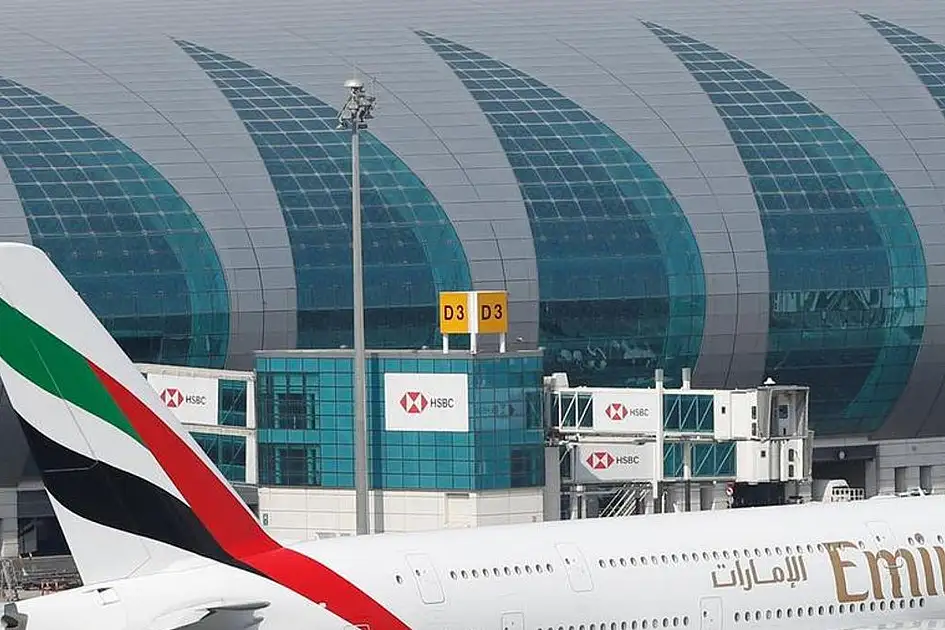
Emirates Airlines has announced the restoration of 96% of its global network, marking a near-full return to operations. This development follows the UAE General Civil Aviation Authority’s decision to lift airspace restrictions in the country after 63 days of partial closure, which were imposed due to the US-Israel-Iran war. As a result, Emirates now operates to 137 destinations across 72 countries, offering over 1,300 weekly frequencies, representing 75% of pre-disruption capacity. This recovery signifies a significant milestone in the aviation sector’s response to geopolitical tensions and underscores the resilience of the airline industry in navigating global challenges.
Key Points:
- Emirates Airlines has restored 96% of its global network, indicating a near-full return to pre-disruption capacity.
- The UAE General Civil Aviation Authority lifted airspace restrictions after 63 days of partial closure, attributed to the US-Israel-Iran conflict.
- Emirates now serves 137 destinations across 72 countries, with over 1,300 weekly frequencies, representing 75% of its pre-disruption capacity.
- The article highlights the airline industry’s ability to adapt and recover swiftly from disruptions caused by geopolitical events.
Actionable Takeaways:
- Resilience in Aviation: Emirates’ swift recovery demonstrates the aviation sector’s capacity to adapt to geopolitical challenges, setting a benchmark for other airlines to follow in managing operational disruptions.
- Strategic Destination Expansion: The airline’s return to 137 destinations across 72 countries suggests a strategic expansion plan, potentially opening new markets and increasing passenger volumes, which could be a model for other airlines looking to re-enter disrupted markets.
- Focus on Capacity Utilization: With 75% of pre-disruption capacity restored, Emirates emphasizes the importance of maximizing operational efficiency and passenger capacity, a strategy that could inform capacity planning for airlines aiming to recover post-pandemic.
Contextual Insights:
The article’s context is deeply rooted in the recent geopolitical tensions between the US, Israel, and Iran, which led to airspace restrictions in the UAE. This event highlights the vulnerability of the aviation industry to geopolitical instability and the importance of contingency planning in travel logistics. Looking forward, the recovery of Emirates Airlines underscores the broader trend of airlines leveraging strategic partnerships and flexible routing to mitigate risks associated with geopolitical uncertainties. Furthermore, the emphasis on restoring 75% of pre-disruption capacity suggests a cautious yet optimistic approach to market re-entry, aligning with industry trends that prioritize gradual recovery and sustained growth over rapid expansion. This context is crucial for understanding the broader implications for travel startups and fintech innovations, as airlines navigate the complexities of reopening markets and restoring passenger confidence.
Read the Complete Article.






