










Comprehensive Summarization:
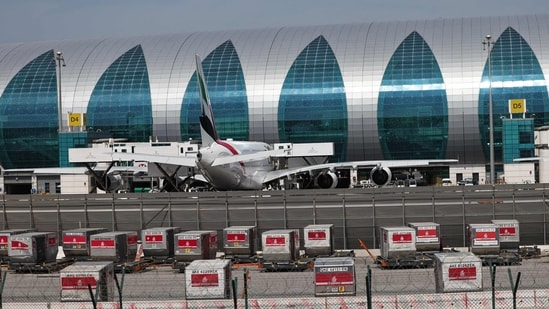
Dubai has imposed a restriction on foreign airlines, allowing only one daily flight to its airports until May 31, amid the Iran crisis. This decision has raised concerns among Indian carriers, particularly those that had planned to operate more flights than any other country, as indicated by letters shared by the Federation of Indian Airlines (FIA). The FIA represents top carriers such as IndiGo, Air India, and SpiceJet. The article also references live updates on the Iran-US war, highlighting the geopolitical context influencing travel and aviation sectors.
Key Points:
- Dubai has restricted foreign airlines to one daily flight to its airports until May 31 due to the Iran crisis.
- The Federation of Indian Airlines (FIA) represents Indian carriers like IndiGo, Air India, and SpiceJet, which are concerned about the revenue loss.
- The article references live updates on the Iran-US war, indicating the geopolitical factors at play.
- The FIA’s letters show that Indian carriers had planned to operate more flights than airlines from any other country.
Actionable Takeaways:
-
Revenue Impact on Indian Carriers: The restriction on foreign flights could lead to significant revenue losses for Indian carriers, particularly those planning to increase their flight frequency. This situation underscores the vulnerability of the aviation sector to geopolitical tensions and the need for diversified routes and partnerships to mitigate risks.
-
Geopolitical Risks in Travel Industry: The restriction highlights the heightened geopolitical risks affecting the travel industry. Airlines and stakeholders must closely monitor international relations and potential travel advisories to adapt their operations and strategies accordingly. This situation emphasizes the importance of risk management and contingency planning in travel and aviation.
Contextual Insights:
The restriction on foreign flights to Dubai’s airports is a direct response to the ongoing Iran-US crisis, reflecting the interconnectedness of global events with the travel industry. This development is particularly relevant for Indian carriers, which have historically been major players in the aviation sector. The geopolitical tensions not only impact immediate flight operations but also signal broader risks for travel startups and fintech innovations within the industry. As geopolitical risks increase, there is a growing need for travel companies to invest in robust risk assessment tools and agile operational frameworks. Additionally, the situation underscores the importance of diversification in travel routes and partnerships to ensure resilience against such disruptions. Forward-looking insights suggest that the travel industry should increasingly focus on technological solutions for real-time risk assessment and operational flexibility to navigate future uncertainties effectively.
Read the Complete Article.






