












Comprehensive Summarization:
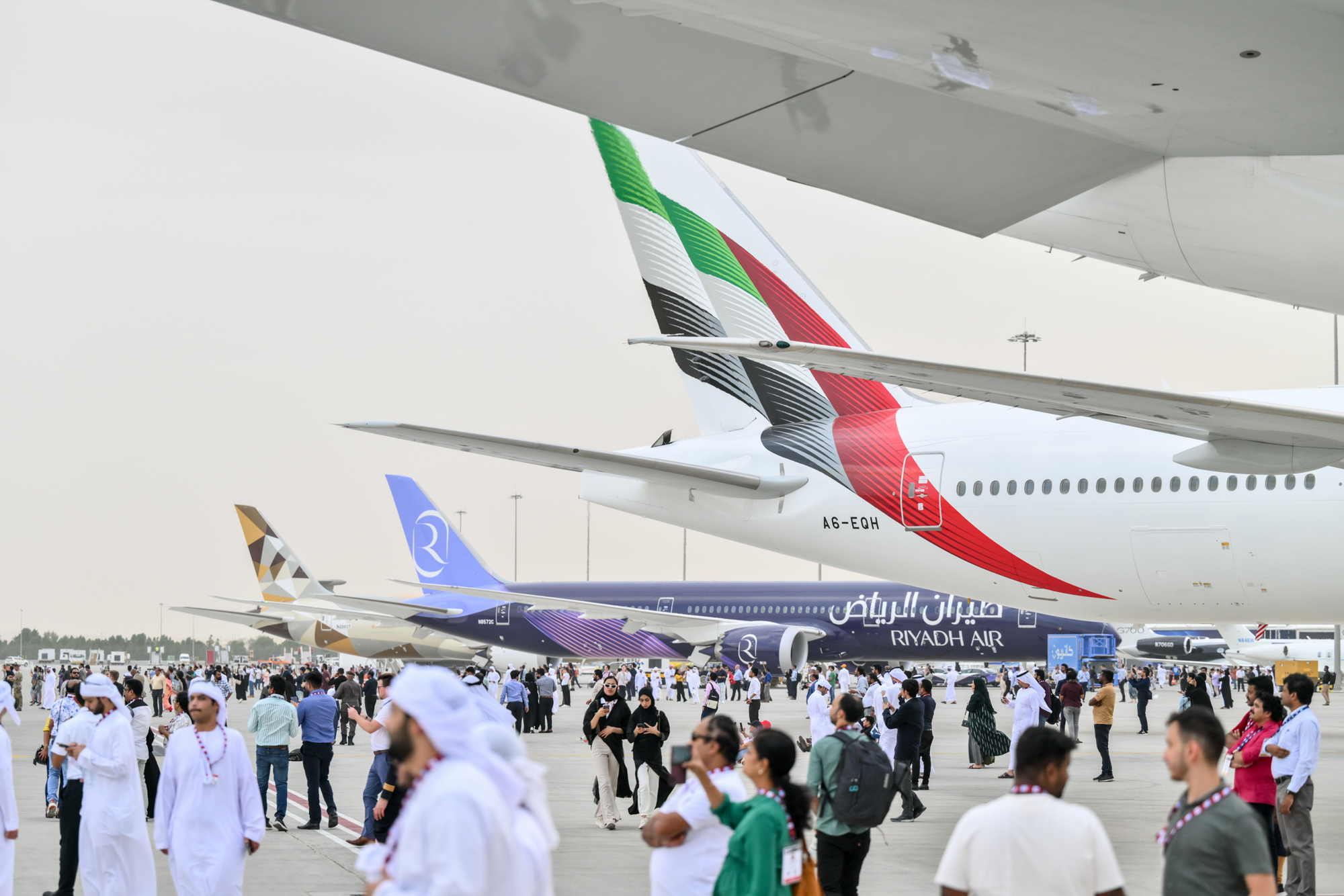
In August 2025, Gulf aviation giants Emirates (EK) and Qatar Airways (QR) led the industry with 94,567.19 and 95,404.51 flight hours respectively, accounting for nearly half of the flight hours among the top ten Gulf airlines. Emirates operates a vast fleet of 250 wide-body aircraft, while Qatar Airways combines wide-body and narrow-body operations. Together, they underscore the dominance of Gulf airlines in the global aviation sector, highlighting their extensive networks and reliable partnerships.
Key Points:
- Emirates and Qatar Airways collectively hold nearly half of the flight hours among the top ten Gulf airlines in 2025.
- Emirates operates an extensive fleet of 250 wide-body aircraft, emphasizing its global reach and operational capacity.
- Qatar Airways integrates both wide-body and narrow-body operations, showcasing a diversified fleet strategy.
- The article highlights the significant role of Gulf airlines in the global aviation landscape, particularly in terms of flight hours and operational capacity.
Actionable Takeaways:
-
Strategic Fleet Expansion: Emirates’ expansion to 250 aircraft demonstrates the growing demand for global connectivity and the importance of maintaining a robust fleet to meet passenger and cargo needs. Airlines should consider strategic fleet growth to enhance service offerings and capture market share.
-
Diversified Fleet Operations: Qatar Airways’ blend of wide-body and narrow-body aircraft illustrates the value of diversification in fleet management. Airlines can benefit from a diversified fleet to optimize operational efficiency and cater to various market segments, enhancing flexibility and responsiveness to market demands.
-
Market Leadership and Competitive Positioning: The dominance of Emirates and Qatar Airways in flight hours underscores the competitive landscape of the Gulf aviation sector. Airlines should focus on maintaining operational excellence and leveraging partnerships to strengthen their market position and expand their global network.
Contextual Insights:
The article reflects the current state of the Gulf aviation sector, where a few key players dominate the market in terms of flight hours and fleet size. This dominance is indicative of the strategic investments these airlines have made in expanding their fleets and enhancing their operational capabilities. The emphasis on diversified fleet operations and strategic fleet expansion aligns with broader industry trends, where airlines are increasingly focusing on operational efficiency and market responsiveness. These insights are crucial for understanding the competitive dynamics and future growth prospects in the travel industry, particularly for startups and established airlines aiming to innovate and expand their services.
Read the Complete Article.


