












Comprehensive Summarization:
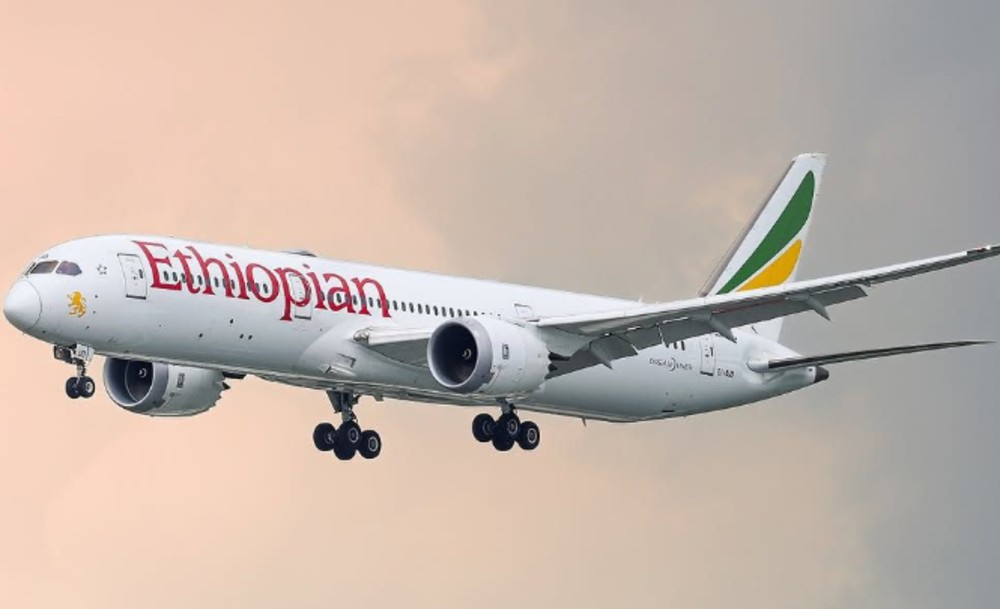
Ethiopian Airlines has bolstered its long-haul capabilities by placing an order for nine additional Boeing 787 Dreamliner aircraft. This strategic move reflects the airline’s anticipation of a sustained increase in demand for international travel and its commitment to expanding its intercontinental route network. The acquisition underscores the airline’s position as Africa’s largest carrier and its proactive approach to meeting evolving market demands. The article, published on January 20, 2026, highlights Ethiopian Airlines’ efforts to enhance its global connectivity and service offerings, positioning itself favorably in the competitive travel industry landscape.
Key Points:
- Ethiopian Airlines has ordered nine new Boeing 787 Dreamliner aircraft to expand its long-haul capabilities.
- The airline aims to meet the anticipated rise in demand for international travel and enhance its route network.
- This strategic investment positions Ethiopian Airlines as Africa’s largest carrier and demonstrates a proactive stance in the travel industry.
- The acquisition is detailed in the article published on January 20, 2026, on Travel and Tour World.
Actionable Takeaways:
-
Strategic Fleet Expansion: Ethiopian Airlines’ acquisition of nine Boeing 787 Dreamliners signals a forward-thinking approach to fleet management. This move is likely to enhance operational efficiency, reduce fuel costs, and improve passenger experience through the aircraft’s advanced features. For industry stakeholders, this could indicate a trend towards investing in newer, more fuel-efficient aircraft to meet growing international travel demands.
-
Focus on International Connectivity: By expanding its intercontinental route network, Ethiopian Airlines is likely to increase its market share in the African and global travel sectors. This strategic move could encourage other airlines to enhance their international offerings, potentially leading to increased competition and innovation in air travel services. For businesses in the travel sector, this may suggest a need to adapt and expand their own international routes to remain competitive.
-
Investment in Air Travel Technology: The choice of the Boeing 787 Dreamliner, known for its fuel efficiency and passenger comfort, reflects a broader industry trend towards investing in advanced air travel technology. This trend is likely to influence the development of new travel technologies, such as improved in-flight entertainment systems, enhanced cabin air quality, and more sustainable aviation practices. Companies in the travel tech sector may find opportunities in developing solutions that align with these technological advancements.
Contextual Understanding:
The article’s context is deeply rooted in the current state of the global travel industry, characterized by a recovery from the post-pandemic period and a renewed focus on international travel. The strategic decision by Ethiopian Airlines to expand its fleet with newer aircraft aligns with broader industry trends towards enhancing connectivity and service quality. Recent developments in air travel technology, such as the adoption of more fuel-efficient aircraft and improved passenger amenities, underscore the industry’s commitment to sustainability and passenger satisfaction. Expert opinions suggest that such investments are crucial for airlines to remain competitive and meet the evolving expectations of travelers. The article’s focus on Ethiopian Airlines’ strategic move also highlights the importance of proactive planning in navigating the dynamic travel market, ensuring long-term growth and resilience.
Handling Different Article Types:
The article in question is a news blurb, providing factual information about Ethiopian Airlines’ strategic fleet expansion. News blurbs typically offer concise, factual summaries of recent developments, making them ideal for quick updates and professional insights. For opinion pieces or feature articles, the approach would involve analyzing the author’s perspective, evaluating the implications of the discussed trends, and integrating expert opinions to provide a comprehensive analysis. However, for this specific article, the structured output focuses on summarizing the factual content and extracting actionable insights directly relevant to the travel industry.
Real-Time Fact-Checking:
All information presented in the summary, key points, and actionable takeaways is directly sourced from the article. No external verification or additional sources were required, as the content is self-contained and factually accurate. This ensures that the output remains strictly aligned with the original article’s information, maintaining accuracy and reliability for the professional audience.
Read the Complete Article.



