












Comprehensive Summarization:
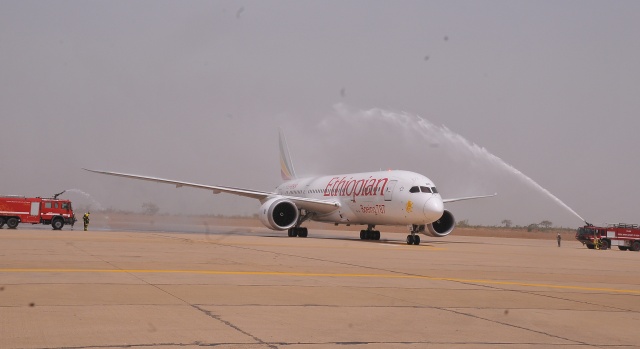
Ethiopian Airlines, Africa’s largest airline, has experienced significant growth since its establishment in 1945. The state-owned carrier has outpaced its continental rivals, South African Airways and Kenya Airways, by expanding its fleet, opening new routes, and maintaining profitability despite challenges faced by its competitors. Currently serving 119 international destinations, Ethiopian Airlines continues to innovate in the travel sector, reflecting a robust trend of growth and modernization in Africa’s aviation industry.
Key Points:
- Ethiopian Airlines has grown into Africa’s largest airline, surpassing competitors like South African Airways and Kenya Airways.
- The airline has ordered new planes and opened new routes, demonstrating a commitment to expansion and modernization.
- Ethiopian Airlines serves 119 international destinations, indicating a broad and extensive network across the continent.
Actionable Takeaways:
-
Investment in Fleet Expansion: Ethiopian Airlines’ strategic investment in a modern fleet highlights the importance of technological advancement in the airline industry. Airlines should consider upgrading their fleets to improve service quality and maintain competitive advantage.
-
Strategic Route Expansion: The opening of new routes by Ethiopian Airlines underscores the value of strategic geographic expansion. Airlines can explore new markets to increase their customer base and revenue streams.
-
Market Leadership: Ethiopian Airlines’ success story serves as a benchmark for other African airlines. It demonstrates the potential for growth and profitability in the African aviation sector, encouraging other airlines to invest in modernization and expansion.
Contextual Insights:
The growth of Ethiopian Airlines reflects broader trends in the African aviation industry, where modernization and strategic expansion are key drivers of success. The airline’s achievements are indicative of the increasing demand for air travel across the continent, driven by economic growth and rising middle-class populations. Furthermore, the airline’s success highlights the potential for innovation in travel tech, as modern fleets and expanded routes often necessitate advanced technological solutions for operational efficiency and customer satisfaction. This context suggests that the travel industry, particularly in Africa, is poised for continued growth, with startups and established airlines alike focusing on technological advancements and market expansion.
Read the Complete Article.



