













Comprehensive Summarization:
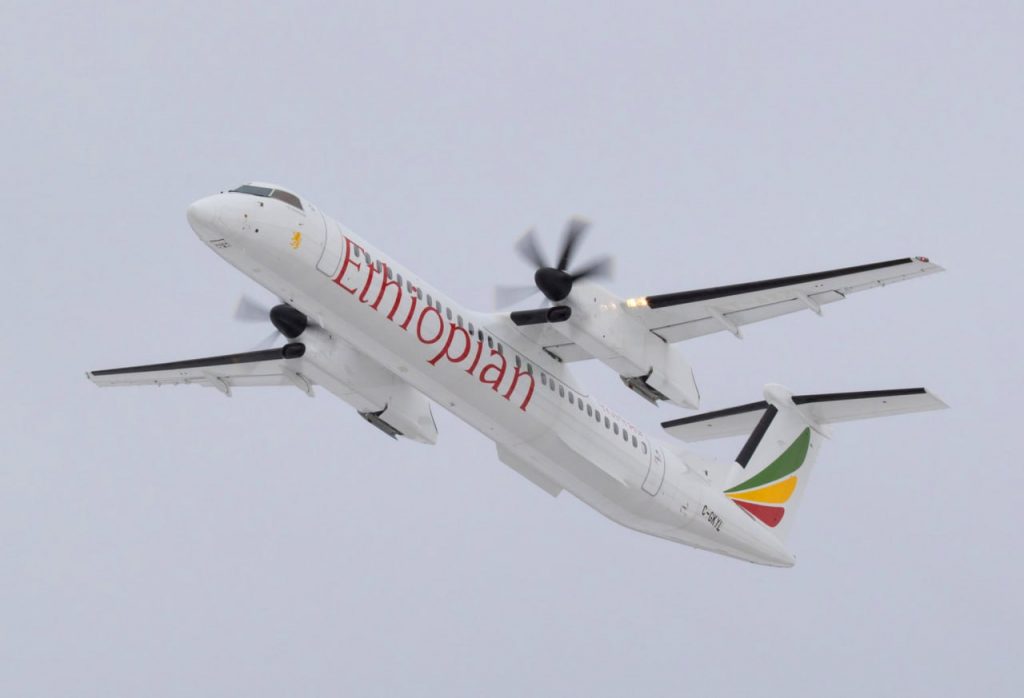
Ethiopian Airlines has announced the inauguration of three new domestic airports in Negele Borena, Gore Metu, and Debre Markos, set to open by mid-April 2026. This expansion is part of the airline’s ongoing efforts to enhance its domestic aviation infrastructure. Passenger services to these destinations will commence following the inaugurations, with flights scheduled to operate three times weekly to each airport. This development marks a significant step in the airline’s strategy to improve connectivity and accessibility within Ethiopia, potentially boosting domestic travel and economic activity.
Key Points:
- Ethiopian Airlines will inaugurate three new domestic airports in Negele Borena, Gore Metu, and Debre Markos by mid-April 2026.
- Passenger services to these airports will commence following the inaugurations, with flights scheduled to operate three times weekly to each airport.
- The addition of these new facilities represents an expansion of Ethiopian Airlines’ domestic aviation infrastructure.
Actionable Takeaways:
-
Enhanced Domestic Connectivity: The opening of these new airports is expected to significantly improve domestic connectivity within Ethiopia, making travel to previously less accessible regions more convenient. This could lead to increased domestic tourism and business travel, benefiting local economies and travel-related industries.
-
Strategic Expansion by Ethiopian Airlines: The airline’s strategic move to expand its domestic network demonstrates a commitment to growth and innovation in the travel sector. This expansion could position Ethiopian Airlines as a key player in the regional aviation market, potentially attracting more international partnerships and investments.
Contextual Insights:
The inauguration of these new airports aligns with broader trends in the travel industry towards expanding domestic connectivity and improving accessibility to remote or less served regions. This move by Ethiopian Airlines reflects a growing emphasis on enhancing regional travel infrastructure, which is crucial for fostering economic development and tourism. Furthermore, the strategic timing of this expansion, coinciding with the post-pandemic recovery phase, suggests a forward-looking approach by the airline to capitalize on increased travel demand. From a travel tech perspective, this development may also spur innovations in airport management systems, flight scheduling technologies, and passenger experience enhancements, as airlines strive to optimize operations in their expanded networks.
Read the Complete Article.



