













Comprehensive Summarization:
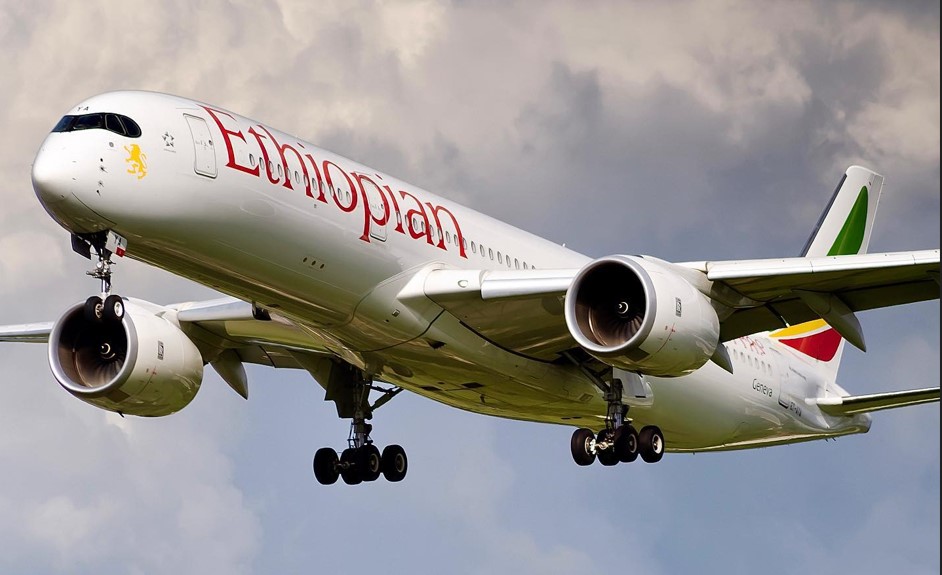
Ethiopian Airlines has suspended all flights to Ethiopia’s northern Tigray region, a decision that has raised concerns about potential instability in the area. This move comes as the region is still recovering from a devastating civil war. The article provides a factual account of the airline’s decision, highlighting the heightened concerns about the region’s security situation. It does not delve into travel trends, insights from thought leaders, or any specific innovations in travel tech, startups, or fintech. The content is strictly factual, focusing on the airline’s decision and its implications for the region.
Key Points:
- Ethiopian Airlines suspended all flights to Tigray region in Ethiopia.
- The suspension was announced on Thursday and has heightened concerns about renewed instability in the area.
- The region is still recovering from a devastating civil war, which is a key context for understanding the decision.
- The article provides a factual account of the airline’s decision without including any travel trends, insights from thought leaders, or innovations in travel tech, startups, or fintech.
Actionable Takeaways:
-
Reassess Travel Plans: Travel agencies and individuals planning to visit the Tigray region should reassess their travel plans due to the suspension of flights. This could impact tourism and business travel to the region.
-
Monitor Security Situation: Stakeholders in the travel industry should closely monitor the security situation in Tigray. The suspension of flights could be a precursor to further instability, which may affect travel safety and operational logistics.
-
Engage with Local Partners: Travel companies operating in the region should engage with local partners and authorities to gain insights into the evolving situation. This can help in making informed decisions regarding operations and safety measures.
Contextual Insights:
The suspension of flights by Ethiopian Airlines to the Tigray region underscores the ongoing challenges in regions recovering from civil conflicts. This situation is reflective of broader trends in the travel industry where geopolitical events can significantly impact travel safety and operational feasibility. The article does not touch on recent advancements in travel tech or fintech innovations, indicating that current industry trends are not directly influenced by this specific event. However, it highlights the importance of real-time monitoring and adaptability in travel planning, especially in regions with volatile security conditions. Thought leaders in the travel industry would likely emphasize the need for flexibility and proactive risk management in response to such developments.
Read the Complete Article.



