












Comprehensive Summarization:
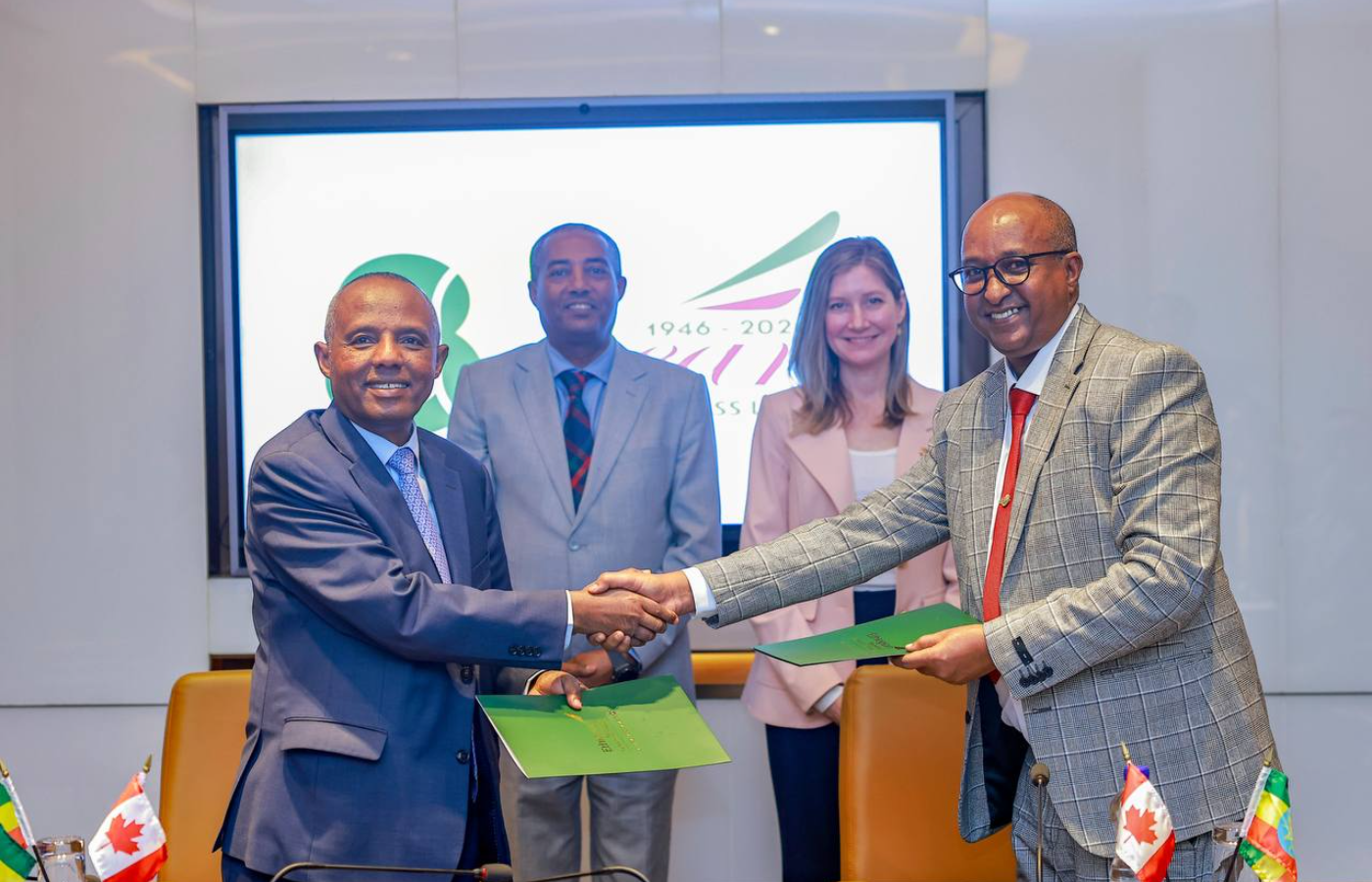
Ethiopian Airlines has entered into an import agreement with Canadian firms Provectus Enterprising Inc. and Fusion Global E‑Solutions Inc. This partnership allows Ethiopian Airlines to process returned food from flights into biomass and other sustainable products, rather than serving it to passengers. The deal was formalized during a meeting with Canada’s Minister of International Affairs, Cheryl Arban. The processed biomass is expected to support energy applications, marking a significant step towards sustainable practices in the travel industry.
Key Points:
- Ethiopian Airlines has signed a sustainable waste management agreement with Canadian firms Provectus Enterprising Inc. and Fusion Global E‑Solutions Inc.
- The agreement enables the repurposing of food waste into biomass and other sustainable products, rather than serving it to passengers.
- The processed biomass is intended for energy applications, showcasing a commitment to sustainability within the travel sector.
- The deal was finalized during a meeting with Canada’s Minister of International Affairs, Cheryl Arban, highlighting the strategic importance of this partnership.
Actionable Takeaways:
-
Sustainable Waste Management as a Business Opportunity: Ethiopian Airlines’ initiative to convert food waste into biomass presents a unique opportunity for other airlines to adopt similar sustainable practices. This could lead to a reduction in food waste and an increase in the use of renewable energy sources, aligning with global sustainability goals.
-
Partnerships in Sustainable Travel Tech: The collaboration between Ethiopian Airlines and Canadian firms Provectus Enterprising Inc. and Fusion Global E‑Solutions Inc. exemplifies the growing trend of partnerships in sustainable travel technology. Such collaborations can drive innovation in the travel sector, fostering the development of new eco-friendly solutions and technologies.
-
Regulatory and Market Trends: The agreement reflects a broader trend towards regulatory compliance and market demand for sustainable practices in the travel industry. Airlines that proactively adopt sustainable waste management solutions may gain a competitive edge by appealing to environmentally conscious travelers and meeting regulatory standards.
Contextual Understanding:
The article reflects current trends in sustainable travel and waste management, aligning with the increasing emphasis on environmental responsibility within the travel industry. As global awareness of climate change grows, airlines are under pressure to adopt greener practices. The partnership between Ethiopian Airlines and Canadian firms not only demonstrates a commitment to sustainability but also positions the airline as a leader in adopting innovative, eco-friendly solutions. This move is likely to influence other airlines to explore similar partnerships, fostering a culture of sustainability within the industry.
Handling Different Article Types:
The article is a news brief, providing factual information about a significant development in the travel industry. The summary, key points, and actionable takeaways are structured to convey the essential information clearly and concisely, suitable for a professional audience. The context provided integrates recent developments in sustainable travel practices, ensuring the content is relevant and forward-looking.
Read the Complete Article.



