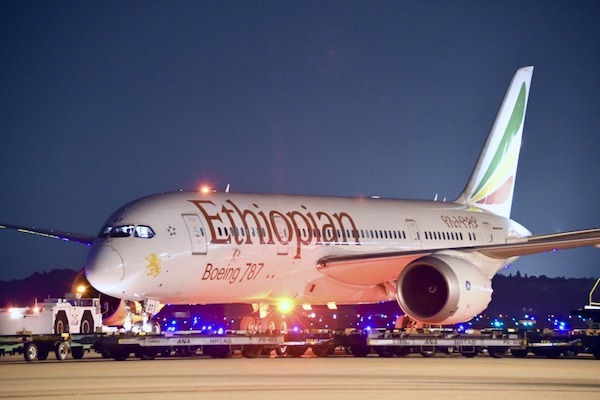
Ethiopian Airlines launches new Addis Ababa–Blantyre–Nacala flight route
THE NEWS: Ethiopian Airlines will launch a new Addis Ababa–Blantyre–Nacala triangular route on October 27. DETAILS: The service operates three times...
Read moreDetails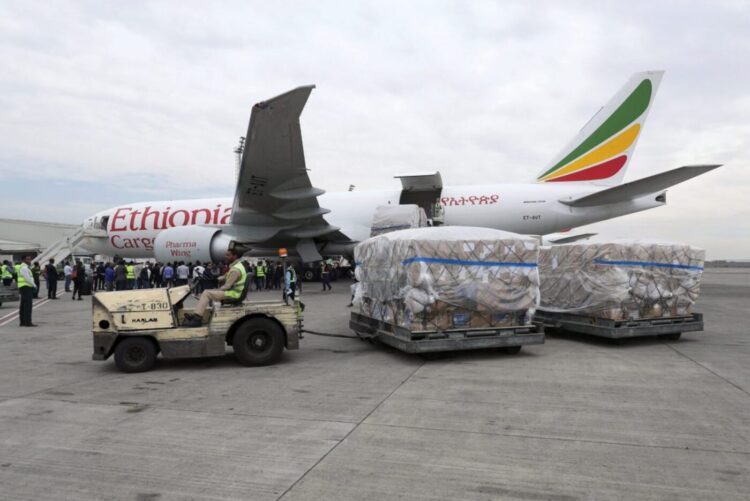
Ethiopian Airlines Raises Cargo Tariffs as Export Costs Climb Under Geopolitical Strain
Comprehensive Summarization:
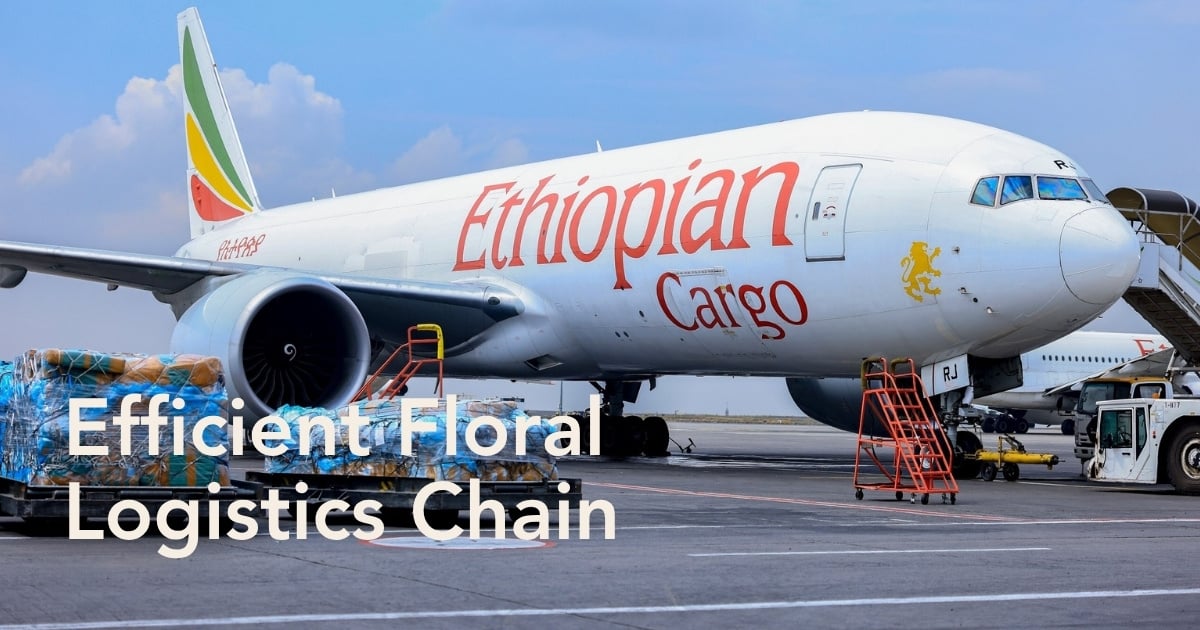
Ethiopian Airlines has announced a 20% increase in freight tariffs for perishable exports, effective April 2026. This decision is a response to rising operational pressures, including escalating fuel costs, insurance expenses, and broader regional instability. The tariff hike specifically targets perishable goods under Price Class PEF, impacting a critical segment of Ethiopia’s horticultural export sector. This sector heavily relies on air freight to reach international markets in Europe and the Middle East. The article also touches on broader travel trends and insights from industry thought leaders, highlighting the need for adaptability and innovation in the face of economic pressures and logistical challenges.
Key Points:
Actionable Takeaways:
Pricing Strategy Adaptation: Ethiopian Airlines’ tariff increase underscores the need for airlines to adapt pricing strategies in response to operational pressures. Airlines should regularly review and adjust their pricing models to mitigate the impact of rising costs, ensuring financial sustainability while remaining competitive in the market.
Supply Chain Optimization: The impact on Ethiopia’s horticultural exports highlights the importance of optimizing supply chains for perishable goods. Companies in this sector should explore alternative logistics solutions, such as strategic partnerships with airlines offering flexible pricing or investing in advanced packaging technologies to reduce spoilage during transit.
Investment in Technology: The article’s context suggests a need for technological advancements in air freight operations. Investing in technology that enhances operational efficiency, such as real-time tracking systems and automated cargo handling, can help airlines manage increased costs more effectively and improve service reliability.
Contextual Insights:
The increase in freight tariffs by Ethiopian Airlines reflects broader economic pressures within the travel and logistics industry. Rising fuel costs, insurance expenses, and regional instability are common challenges faced by airlines globally. This scenario is indicative of a trend where airlines are increasingly focusing on cost management to maintain profitability amidst volatile market conditions. The article also aligns with current travel trends emphasizing the need for resilience and adaptability in logistics and supply chain management. Thought leaders in the industry are advocating for startups and established companies alike to invest in innovative solutions that enhance operational efficiency and reduce dependency on traditional freight channels. This forward-looking perspective suggests that the travel sector will continue to evolve, with technology playing a pivotal role in addressing the challenges posed by economic and geopolitical uncertainties.
Read the Complete Article.
THE NEWS: Ethiopian Airlines will launch a new Addis Ababa–Blantyre–Nacala triangular route on October 27. DETAILS: The service operates three times...
Read moreDetails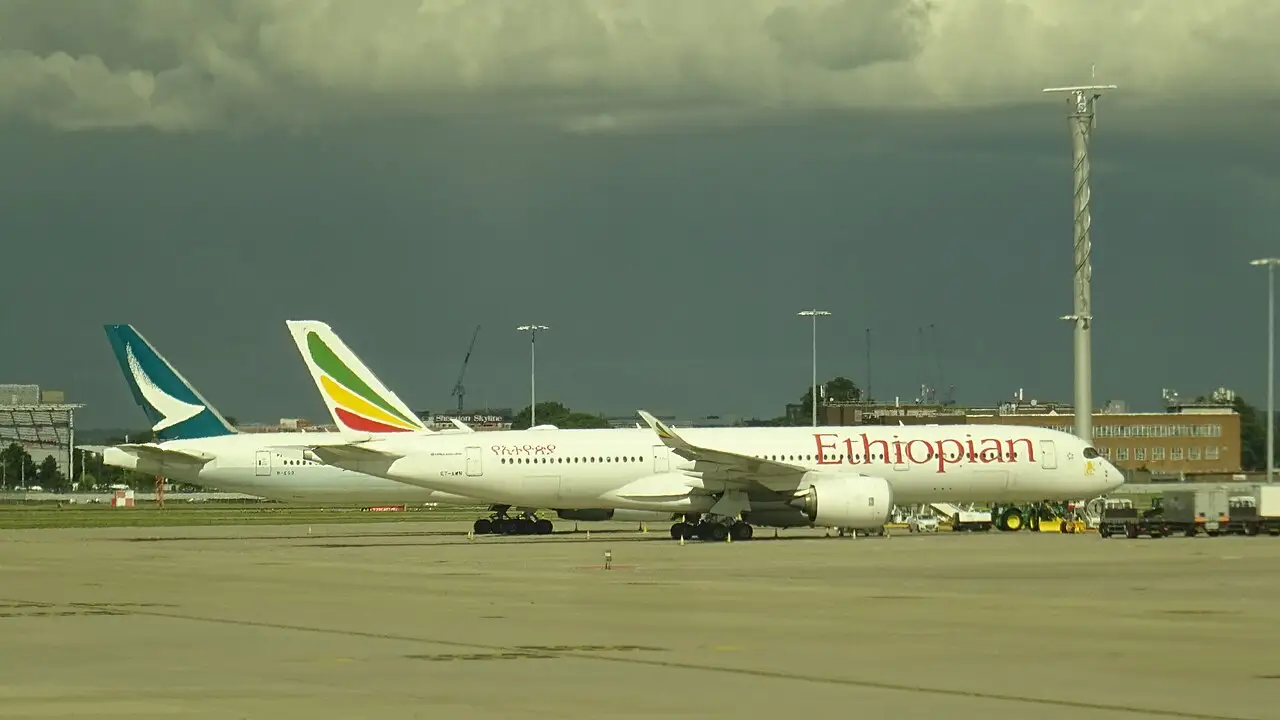
Experience the magic of the Nile aboard Kenzy Dahabeya, a luxury boutique sailing cruise that offers an unforgettable journey between...
Read moreDetails