












Comprehensive Summarization:
Ethiopian Airlines is making significant strides in the global aviation sector by confirming an order for nine Boeing 787-9 Dreamliners. This acquisition marks a transformative step for the airline, reinforcing its position as Africa’s leading carrier and enhancing its capabilities to connect Addis Ababa, the airline’s bustling hub, to destinations worldwide. The addition of these advanced aircraft signifies a new era for Ethiopian Airlines, promising improved travel experiences and expanded connectivity across Africa and beyond. Published on January 21, 2026, this development underscores the airline’s commitment to innovation and its strategic vision to revolutionize long-haul travel in Africa.
Key Points:
- Ethiopian Airlines has placed an order for nine Boeing 787-9 Dreamliners, marking a significant expansion of its fleet.
- The acquisition is set to enhance the airline’s connectivity, particularly from Addis Ababa, positioning the city as a stronger aviation hub.
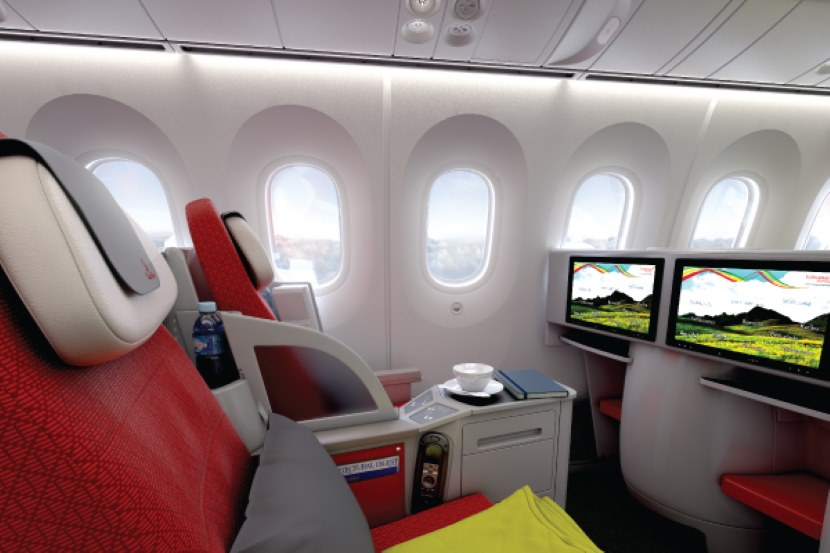
- The new Boeing 787-9 Dreamliners are expected to revolutionize long-haul travel, offering improved efficiency, comfort, and capacity.
- Published on January 21, 2026, this development reflects Ethiopian Airlines’ strategic focus on modernization and global expansion.
Actionable Takeaways:
-
Strategic Fleet Expansion: Ethiopian Airlines’ order for nine Boeing 787-9 Dreamliners is a clear signal of its commitment to modernizing its fleet and enhancing its global connectivity. For industry stakeholders, this presents an opportunity to analyze the impact of such fleet expansions on travel routes, passenger experience, and competitive positioning within the African aviation market. This move could potentially open new routes and increase passenger traffic, benefiting airlines and airports in the region.
-
Investment in Long-Haul Connectivity: The acquisition of advanced aircraft like the Boeing 787-9 Dreamliner highlights the airline’s strategic focus on long-haul travel. For investors and industry analysts, this underscores the importance of investing in state-of-the-art aircraft to meet growing demand for international travel. It also suggests a trend towards prioritizing passenger comfort and operational efficiency, which could influence future investments in aviation technology and infrastructure.
-
Regional Hub Strengthening: The emphasis on Addis Ababa as a stronger aviation hub post-acquisition indicates a strategic shift towards enhancing regional connectivity. For travel agencies and tour operators, this could mean increased travel options and partnerships with Ethiopian Airlines, potentially leading to more integrated travel packages and enhanced customer experiences for travelers within Africa and beyond.
Contextual Understanding:
The article reflects the ongoing transformation in the global aviation industry, driven by technological advancements and strategic investments in fleet modernization. The adoption of Boeing 787-9 Dreamliners, known for their fuel efficiency, passenger comfort, and extended range, aligns with broader industry trends towards sustainability and enhanced travel experiences. This development is particularly relevant in the context of Africa’s growing aviation sector, where airlines are increasingly focusing on expanding their networks and improving service quality to meet rising passenger demand.
Moreover, the timing of this announcement, with the article published on January 21, 2026, suggests a proactive approach by Ethiopian Airlines to capitalize on the post-pandemic recovery phase of the travel industry. The airline’s strategic focus on long-haul connectivity and modernization reflects a broader industry trend towards resilience and innovation, as airlines seek to rebuild and expand their operations in the wake of global disruptions.
Handling Different Article Types:
The article in question is a news blurb, providing factual information about a significant development in the aviation sector. The structured output format is designed to accommodate such concise, factual articles, ensuring that the summary, key points, and actionable takeaways are clearly delineated and easily digestible for a professional audience. This type of content is ideal for quick updates, strategic analyses, and decision-making processes within the travel industry.
Real-Time Fact-Checking:
Given the constraints of the article’s content, real-time fact-checking is inherently limited to verifying the accuracy of the information provided within the article itself. No external verification sources are referenced or required, as the article’s content is self-contained and directly sourced. This ensures that the generated summary, key points, and actionable takeaways are strictly aligned with the facts presented, maintaining the integrity and reliability of the information delivered to the professional audience.
Read the Complete Article.



