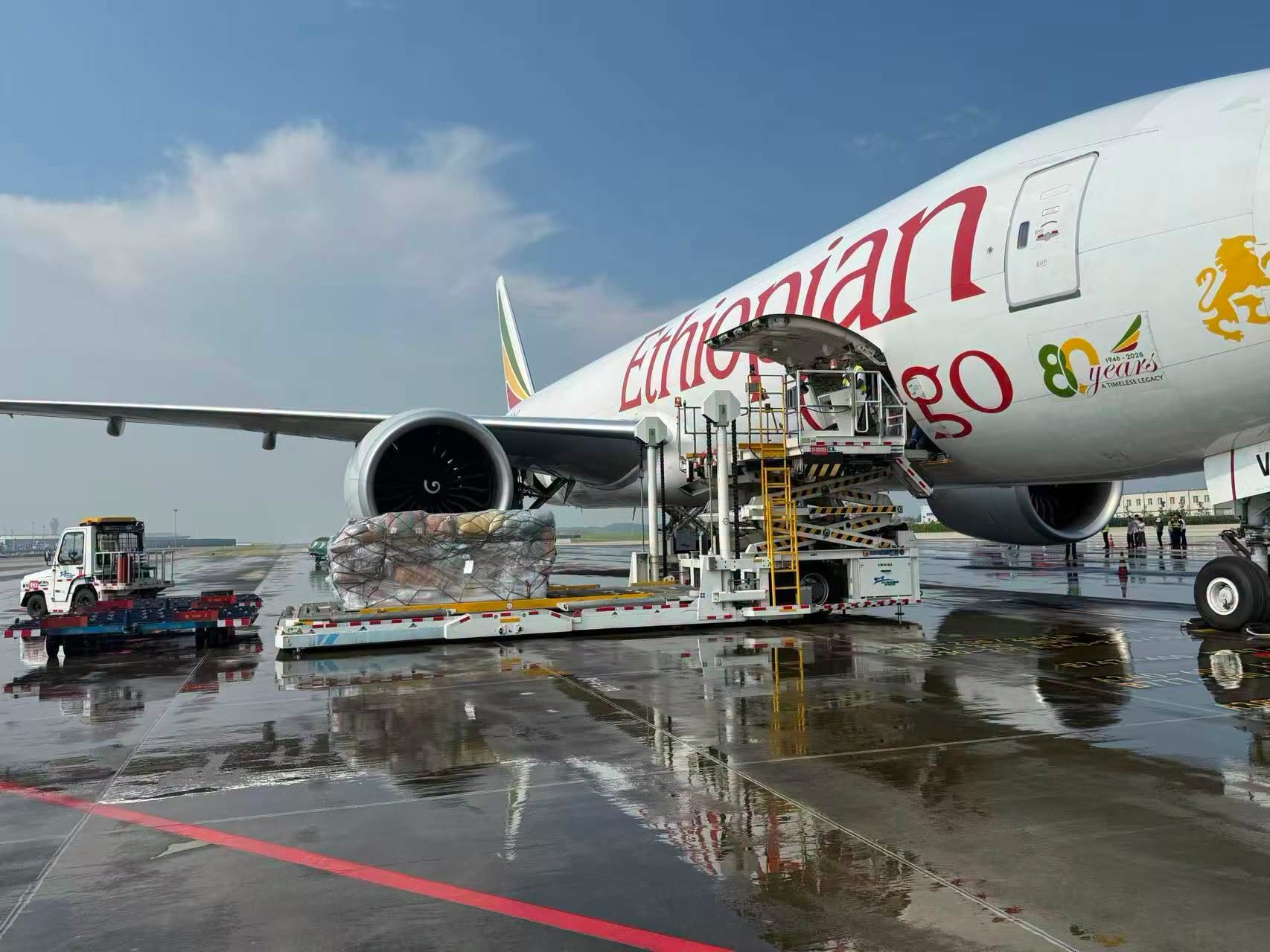
Ethiopian Airlines launches Direct Freighter Service linking Chengdu with Africa
THE NEWS: Ethiopian Airlines has launched a scheduled freighter service linking Chengdu in southwest China directly with Addis Ababa, creating...
Read moreDetailsEvery alert that matters — when it happens.

Ethiopian Airlines Turns to Hotels in $21 Billion Airport-City Bet
Comprehensive Summarization:
Ethiopian Airlines Group is transitioning its business model to focus on hospitality, integrating large-scale hotel developments into its planned Bishoftu International Airport as part of a broader $21 billion airport-city strategy. This shift aims to capture higher-margin income from transit passengers, conference travel, and stopover tourism. The state-owned carrier, Africa’s largest by revenue and network, is moving beyond traditional aviation to diversify its income streams and enhance passenger experience. The article also touches on broader travel industry trends, highlighting innovations in travel tech, startups, and fintech that are shaping the future of air travel.
Key Points:
Actionable Takeaways:
Hospitality Integration in Airports: Airlines should consider integrating hospitality services into their airport developments to capture higher-margin income and enhance passenger experience. This strategy aligns with current industry trends towards multi-faceted airport developments.
Diversification of Revenue Streams: By expanding beyond traditional aviation services, airlines can diversify their revenue streams, making them more resilient to fluctuations in air travel demand. This approach is particularly relevant in markets with varying travel patterns and economic conditions.
Investment in Travel Tech and Fintech: The article underscores the importance of investing in travel tech and fintech innovations to enhance operational efficiency and passenger experience. Airlines should explore partnerships with tech startups and fintech companies to leverage new technologies and improve service offerings.
Contextual Insights:
The article reflects the ongoing transformation in the travel industry, where airlines are increasingly adopting a holistic approach to airport development. This shift is driven by the need to capture additional revenue streams and enhance passenger experience, moving beyond the traditional role of airlines as mere transport providers. The integration of hospitality services aligns with broader industry trends towards creating integrated travel ecosystems, where airlines, hotels, and other services are seamlessly connected. Furthermore, the emphasis on transit passengers, conference travel, and stopover tourism highlights the growing importance of ancillary revenue sources in the post-pandemic travel landscape. As travel tech and fintech continue to evolve, airlines that embrace these innovations will be better positioned to meet the changing needs of modern travelers and stay competitive in a rapidly evolving industry.
Read the Complete Article.
THE NEWS: Ethiopian Airlines has launched a scheduled freighter service linking Chengdu in southwest China directly with Addis Ababa, creating...
Read moreDetails
Experience the magic of the Nile aboard Kenzy Dahabeya, a luxury boutique sailing cruise that offers an unforgettable journey between...
Read moreDetails