












Comprehensive Summarization:
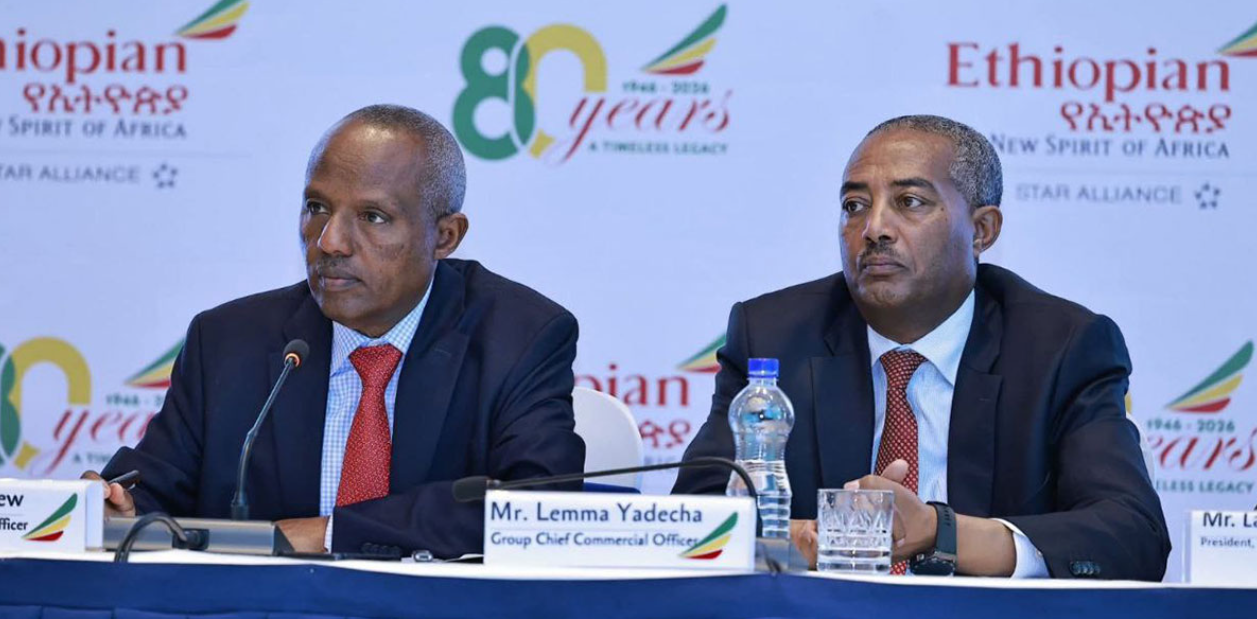
Ethiopian Airlines Group reported a 14% increase in revenue to USD 4.4 billion in the first half of the current fiscal year, surpassing last year’s record performance. This growth was attributed to fleet expansion and increased flight activity. The airline added seven aircraft during the six-month period, increasing its total fleet to 147. Speaking at a media briefing held at the Ethiopian Skylight Hotel, CEO Mesfin Tasew highlighted these developments, emphasizing the airline’s strategic focus on fleet growth and operational expansion to drive revenue growth.
Key Points:
- Ethiopian Airlines Group achieved a 14% revenue increase to USD 4.4 billion in the first half of the current fiscal year.
- The growth was attributed to fleet expansion, with the addition of seven aircraft, bringing the total fleet to 147.
- CEO Mesfin Tasew emphasized the role of fleet growth and increased flight activity in driving the airline’s performance.
- The airline’s strategic focus on expanding its fleet and enhancing operational capacity is a key driver of its revenue growth.
Actionable Takeaways:
-
Fleet Expansion as a Growth Strategy: The addition of seven aircraft to Ethiopian Airlines’ fleet, increasing its total to 147, underscores the importance of fleet expansion as a growth strategy in the airline industry. This move not only indicates a commitment to enhancing service capacity but also positions the airline to capitalize on increased demand, potentially leading to further revenue growth. For other airlines and stakeholders in the travel sector, this highlights the potential benefits of strategic fleet investments in driving operational efficiency and revenue generation.
-
Focus on Operational Expansion: The airline’s emphasis on increased flight activity as a driver of growth suggests a broader trend towards operational expansion in the travel industry. This takeaway emphasizes the importance of not only expanding the fleet but also optimizing flight schedules and routes to maximize revenue. For travel startups and established airlines alike, this points to the potential impact of strategic operational planning on achieving growth targets and maintaining competitive advantage in a dynamic market.
Contextual Insights:
The article’s focus on Ethiopian Airlines’ strategic focus on fleet expansion and increased flight activity reflects broader industry trends towards operational efficiency and capacity growth. In the current travel landscape, characterized by fluctuating demand and evolving consumer preferences, airlines are increasingly leveraging fleet growth as a key lever for revenue enhancement. This aligns with recent insights from industry thought leaders who emphasize the importance of strategic investments in fleet and operational capacity to navigate market uncertainties and capitalize on growth opportunities.
Moreover, the airline’s performance metrics, such as the 14% revenue increase, underscore the resilience and adaptability of the travel sector in the face of ongoing challenges. As the industry continues to recover from the impacts of the pandemic, innovations in fleet management and operational strategies will play a crucial role in shaping future growth trajectories. For stakeholders in the travel tech, fintech, and related sectors, these insights highlight the potential for collaboration and innovation in enhancing travel experiences and operational efficiencies, ultimately contributing to sustained industry growth.
Read the Complete Article.



