












Sail Through Time: Discover the Timeless Wonders of Upper Egypt Aboard Kenzy Dahabeya
Experience the magic of the Nile aboard Kenzy Dahabeya, a luxury boutique sailing cruise that offers an unforgettable journey between...
Read moreDetails
Ethiopian Airlines Shuts Down Flights Between Addis Ababa, Washington D.C. and New York Amid Catastr...
Comprehensive Summarization:
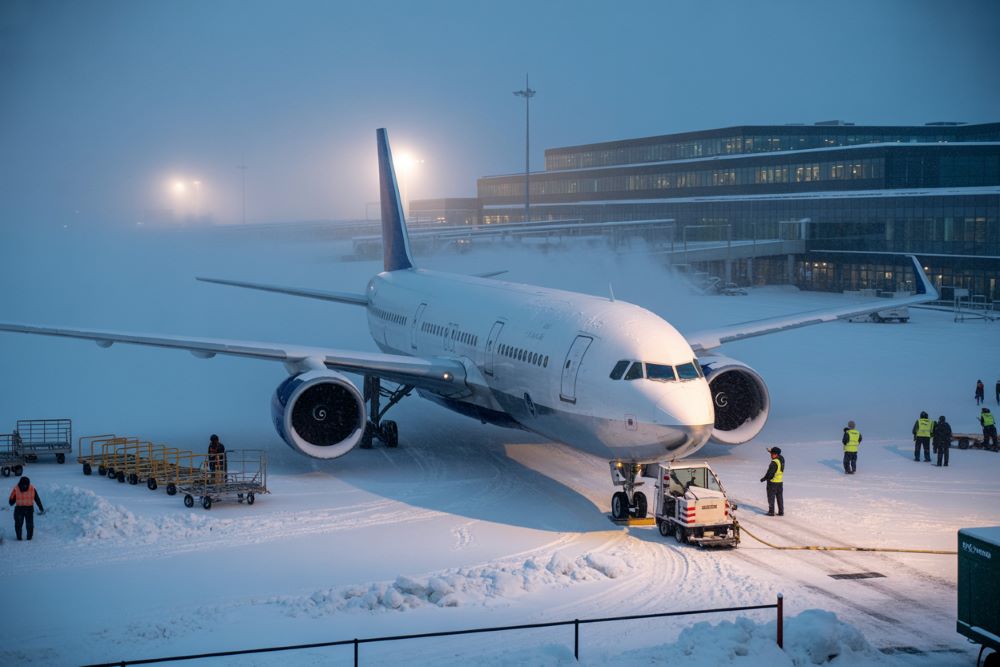
Ethiopian Airlines has announced the cancellation of multiple flights between Addis Ababa, Washington D.C., and New York due to the severe winter storm disrupting travel across the East Coast of the United States. The storm has caused dangerous conditions, leading to the suspension of these flights and leaving thousands stranded. The article, published on January 25, 2026, highlights the impact of the winter storm on international travel and the challenges faced by airlines in managing such disruptions.
Key Points:
Actionable Takeaways:
Implement Flexible Cancellation Policies: Airlines should consider adopting more flexible cancellation policies to better handle disruptions caused by severe weather events. This can help mitigate the financial impact on both airlines and passengers, as seen with Ethiopian Airlines’ decision to cancel flights.
Enhance Real-Time Communication: Airlines need to improve their real-time communication strategies to keep passengers informed about flight status changes. This proactive approach can reduce passenger anxiety and improve overall satisfaction during disruptions.
Invest in Weather-Resilient Infrastructure: The article underscores the importance of investing in infrastructure that can withstand severe weather conditions. Airlines and airports should explore technologies and strategies to minimize the impact of winter storms on flight operations.
Contextual Insights:
The cancellation of flights by Ethiopian Airlines due to the winter storm underscores the vulnerability of the travel industry to extreme weather events. This incident highlights the need for airlines to develop robust contingency plans that can quickly adapt to changing weather conditions. The event also emphasizes the importance of real-time communication in maintaining passenger trust and satisfaction. As the travel industry continues to evolve, integrating advanced technologies for weather forecasting and operational management will be crucial in mitigating the impact of such disruptions. Furthermore, the incident serves as a reminder for stakeholders to prioritize passenger safety and experience, even in the face of challenging environmental conditions.
Read the Complete Article.
Experience the magic of the Nile aboard Kenzy Dahabeya, a luxury boutique sailing cruise that offers an unforgettable journey between...
Read moreDetails



