













Comprehensive Summarization:
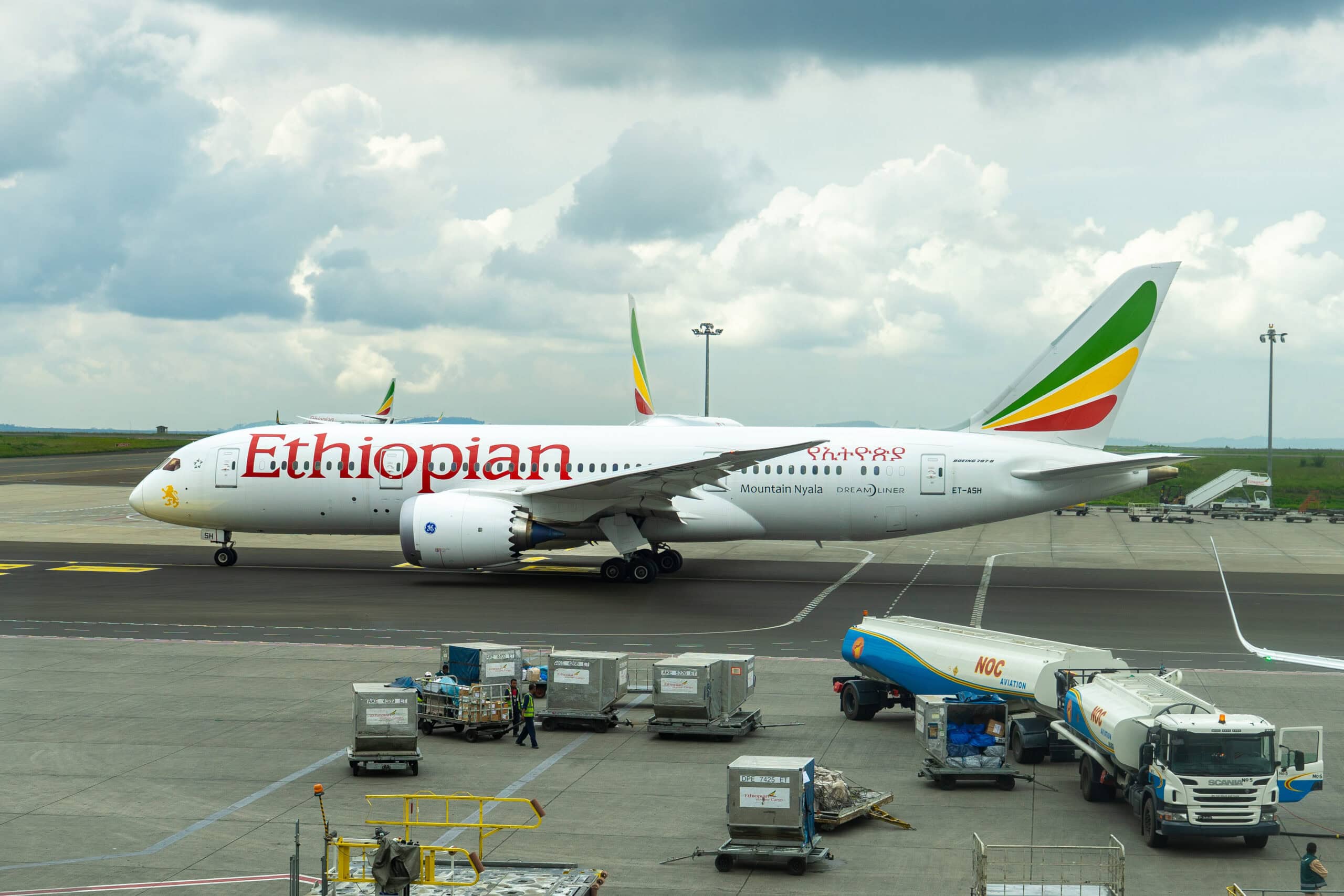
Ethiopian Airlines announces a temporary suspension of passenger flights between Addis Ababa and Atlanta starting early February 2026. This decision marks a reduction in the carrier’s U.S. network as it reassesses demand on transatlantic routes. According to schedule data reviewed in mid-January, the final Addis Ababa–Rome–Atlanta service will operate on February 1, with flights ceasing the following day. Currently, Ethiopian serves Atlanta three times weekly using Boeing aircraft, but this service will be discontinued as part of the carrier’s strategic reassessment.
Key Points:
- Ethiopian Airlines will temporarily suspend passenger flights between Addis Ababa and Atlanta starting early February 2026.
- The final Addis Ababa–Rome–Atlanta service will operate on February 1, with flights ceasing the next day.
- Ethiopian Airlines currently serves Atlanta three times weekly using Boeing aircraft.
- The suspension is part of the carrier’s reassessment of demand on transatlantic routes.
Actionable Takeaways:
-
Strategic Reassessment of Transatlantic Routes: Ethiopian Airlines’ decision to suspend flights between Addis Ababa and Atlanta reflects a strategic reassessment of demand on transatlantic routes. This move may prompt other carriers to review their transatlantic network structures, potentially leading to increased competition and innovation in route planning and scheduling within the transatlantic market.
-
Impact on Atlanta Travel Market: The suspension of Ethiopian Airlines’ Atlanta service could impact the Atlanta travel market, particularly for passengers seeking connections through Addis Ababa. Airlines and travel agencies may need to adjust their offerings and partnerships to fill the gap left by Ethiopian’s reduced service, possibly leading to increased demand for alternative routes and partnerships.
Contextual Insights:
The suspension of Ethiopian Airlines’ Addis Ababa–Atlanta service is a strategic decision driven by reassessment of demand on transatlantic routes. This move aligns with broader industry trends where carriers are increasingly scrutinizing their route networks to optimize profitability and efficiency. The decision may also reflect broader market conditions, such as fluctuating demand due to geopolitical factors, economic conditions, or changes in passenger preferences. As the travel industry continues to evolve, such strategic reassessments will likely become more common, prompting airlines to adapt to changing market dynamics. Additionally, this development highlights the importance of flexibility and adaptability in route planning, a trend that is likely to influence future travel planning and operational strategies within the industry.
Read the Complete Article.



