












Comprehensive Summarization:
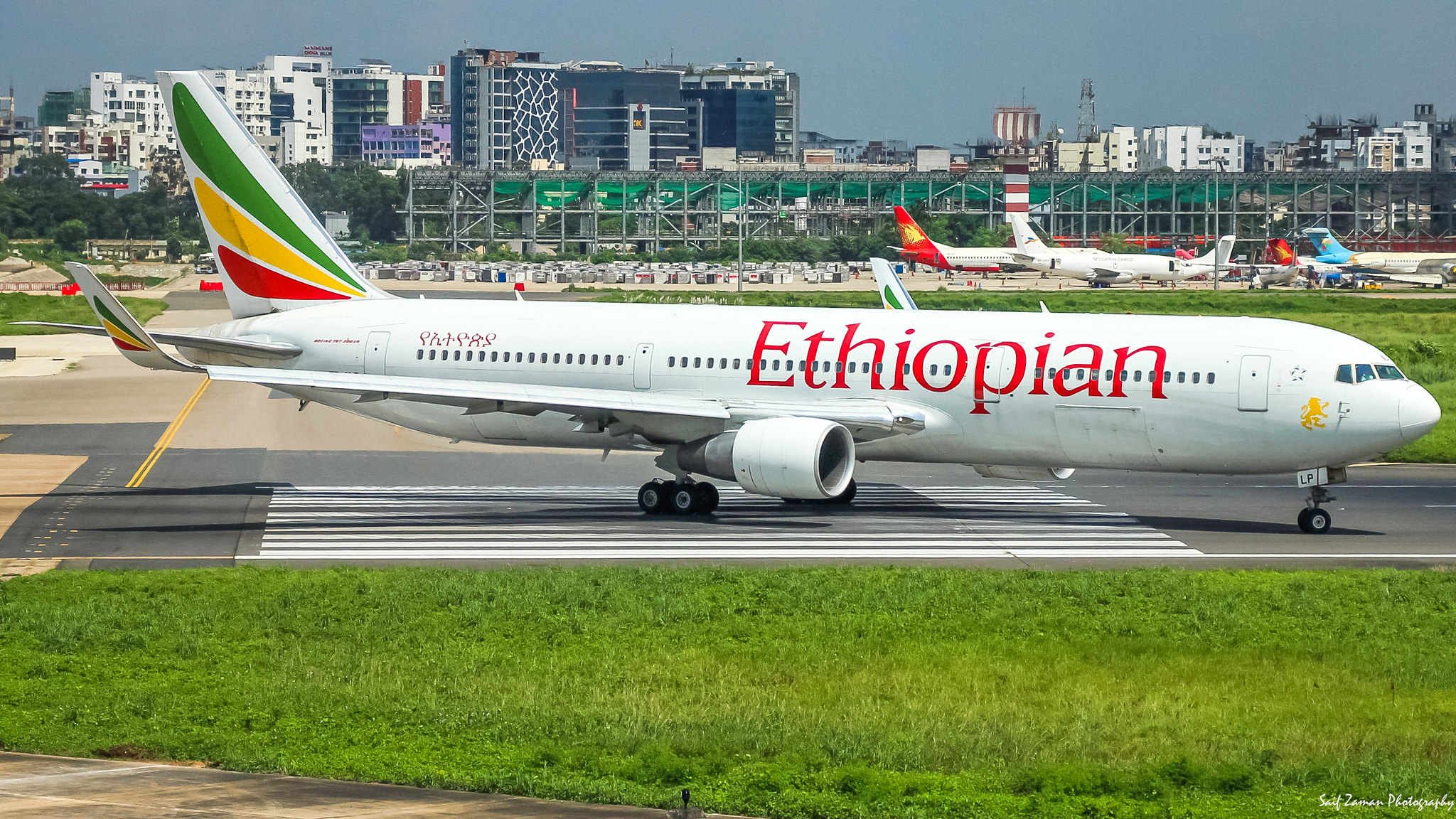
Ethiopian Airlines has not yet provided an official statement regarding the suspension of its flights. The African Union (AU) facilitated a truce between the government and the Tigray People’s Liberation Front (TPLF), known as the Pretoria Agreement, which established an interim administration to govern Tigray. Tigray’s transport chief, Tadele Mengistu, confirmed to the BBC that flights have been cancelled, but he did not provide detailed information about the reasons behind this decision. The article highlights the complex political situation in Tigray and its impact on the travel industry, specifically Ethiopian Airlines’ operations.
Key Points:
- Ethiopian Airlines has suspended its flights without issuing an official explanation.
- The African Union brokered a truce between the government and TPLF, known as the Pretoria Agreement.
- Tigray’s transport chief, Tadele Mengistu, confirmed the cancellation of flights but lacks detailed reasons.
- The article emphasizes the political implications of the truce on Tigray’s transport sector.
Actionable Takeaways:
- Monitor Political Developments: Travel companies operating in or with connections to Tigray should closely monitor the political situation and AU-mediated agreements, as they directly impact operational decisions and flight schedules.
- Prepare for Uncertainty: Given the lack of official information from Ethiopian Airlines, companies should develop contingency plans for potential flight disruptions, including alternative routing and communication strategies with passengers.
- Engage with Local Authorities: Establishing relationships with local transport authorities, such as Tadele Mengistu’s office, can provide valuable insights into ground transportation options and potential delays, ensuring smoother operations during uncertain periods.
Contextual Insights:
The suspension of Ethiopian Airlines flights in Tigray underscores the significant impact of political instability on the travel industry. The Pretoria Agreement, brokered by the AU, aims to stabilize the region but introduces uncertainties that travel companies must navigate. This situation highlights the importance of real-time communication and flexibility in travel planning. Furthermore, it reflects broader trends in the industry where geopolitical events can swiftly alter operational landscapes, necessitating agile responses from both airlines and their partners. As travel tech continues to evolve, tools that facilitate real-time updates and alternative route planning will become increasingly valuable for navigating such disruptions.
Read the Complete Article.



