












Comprehensive Summarization:
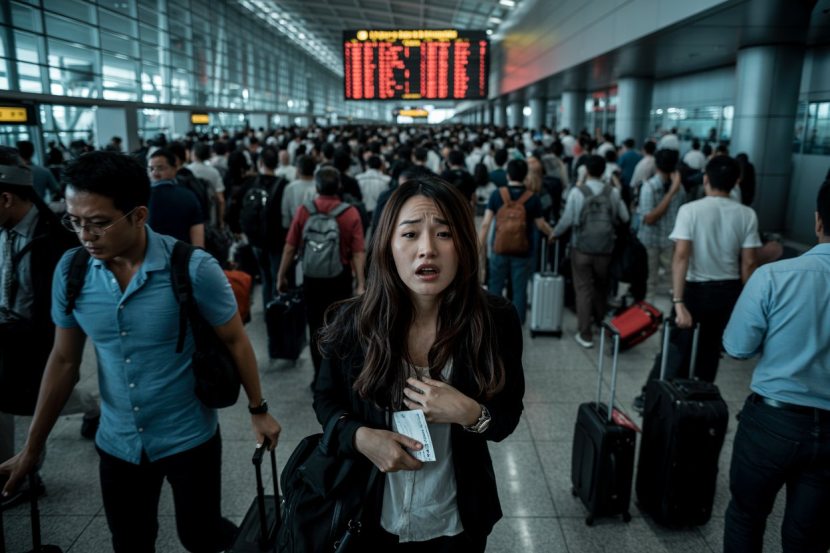
The article reports on a significant disruption in air travel across Asia, with Iran, China, India, Turkey, UAE, and Nepal collectively canceling 109 flights and delaying 2,171 flights. This disruption has stranded thousands of passengers, affecting major airlines such as Pegasus Airlines, Emirates, Air China, Pegasus, FlyDubai, and others. The incident highlights the vulnerability of the travel industry to geopolitical tensions and operational challenges in major Asian hubs like Dubai, Mumbai, Tehran, Istanbul, Beijing, and Kathmandu. The article underscores the need for robust contingency planning and resilient infrastructure in the travel sector to mitigate such disruptions.
Key Points:
- Flight Disruptions: 109 flight cancellations and 2,171 flight delays across Asia due to issues in Iran, China, India, Turkey, UAE, and Nepal.
- Affected Airlines: Major airlines including Pegasus, Emirates, Air China, Pegasus, FlyDubai, and others are impacted, affecting thousands of passengers.
- Geopolitical and Operational Challenges: The disruptions highlight the vulnerabilities of the travel industry to geopolitical tensions and operational challenges in key Asian travel hubs.
- Impact on Passengers: Thousands of passengers are stranded, affecting travel plans and causing significant inconvenience.
Actionable Takeaways:
-
Enhanced Contingency Planning: Travel companies should develop and implement robust contingency plans to quickly respond to and recover from disruptions caused by geopolitical issues or operational challenges. This includes having alternative routes, real-time communication systems, and flexible ticket policies to minimize passenger inconvenience.
-
Investment in Resilient Infrastructure: Airlines and airports should invest in resilient infrastructure and technology to ensure operational continuity during crises. This includes backup systems for flight operations, real-time tracking of flight statuses, and enhanced communication channels with passengers.
-
Collaboration and Risk Management: Travel companies should collaborate with governments, regulatory bodies, and other industry stakeholders to manage risks associated with geopolitical tensions. This includes sharing information on potential disruptions and working together to develop strategies for mitigating their impact.
Contextual Insights:
The article reflects the current challenges faced by the travel industry, particularly in regions with geopolitical tensions. The disruptions in flight schedules and passenger strandedness highlight the vulnerability of airlines and airports to external factors beyond their control. This situation underscores the importance of technological advancements in travel tech, such as real-time tracking systems and flexible booking policies, which can help mitigate the impact of such disruptions. Furthermore, the incident emphasizes the need for continuous innovation in the travel sector to enhance resilience and adaptability. Thought leaders in the industry are likely to advocate for increased investment in technology and infrastructure to ensure that the travel industry can withstand and recover from such disruptions more effectively.
Read the Complete Article.



